
 22 Nov 2026









Beyond Washington and Moscow: Europe Seeks a Seat at the Ukraine Negotiating Table
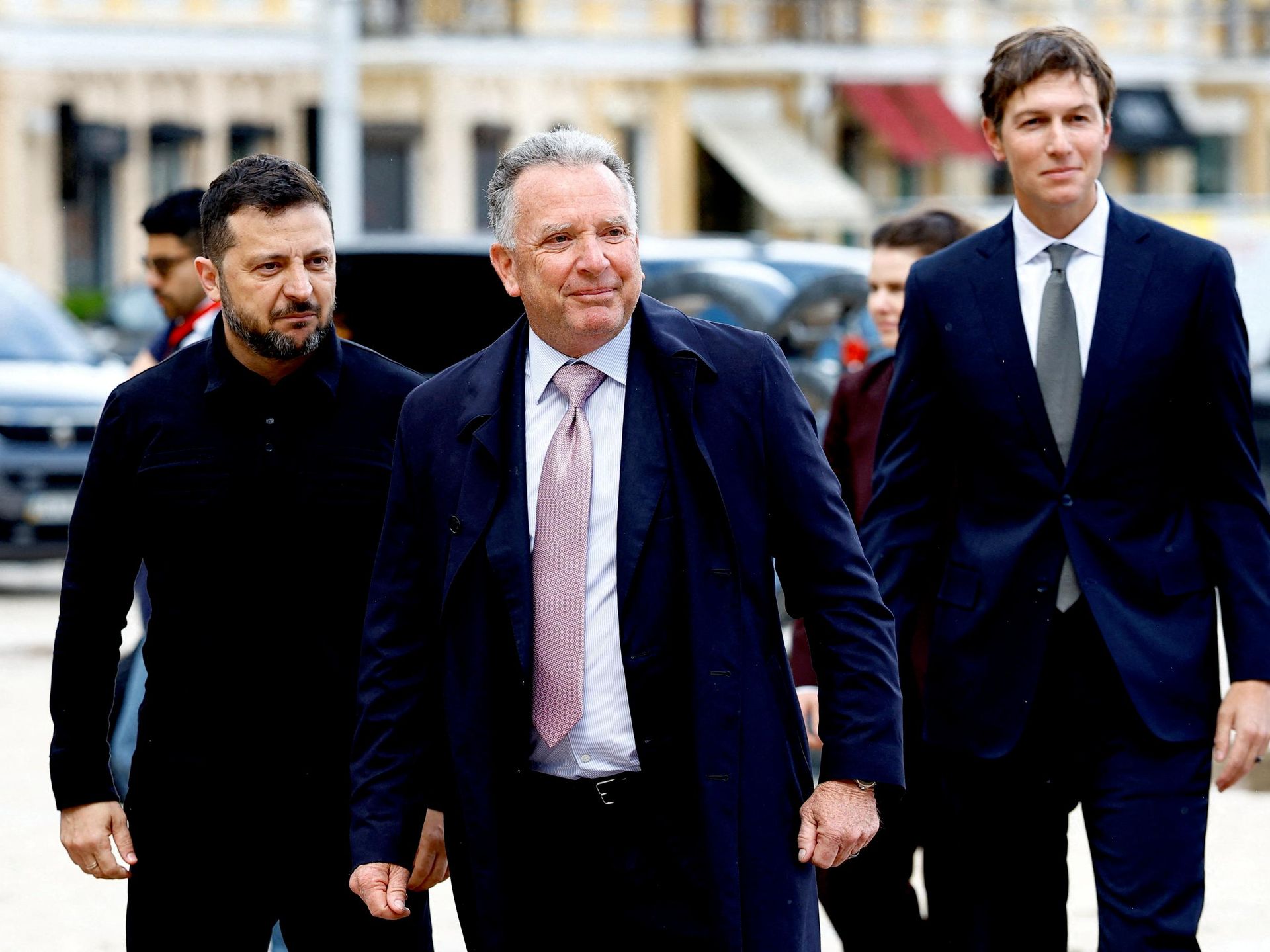
The possible expansion of the negotiation format to include European countries reflects Washington’s efforts to establish a broader diplomatic platform for seeking a settlement to the Russian-Ukrainian war. However, persistent disagreements between Moscow, Kyiv and European capitals over territorial arrangements, security guarantees and Europe’s post-war order could significantly complicate the further negotiation process.
On 12 November 2026, US President’s Special Envoys Steve Witkoff and Jared Kushner, following talks with Russian President Vladimir Putin in Moscow, announced the possibility of European representatives participating in the next round of negotiations on Ukraine. The statement came amid intensified diplomatic contacts between Washington, Moscow and Kyiv aimed at revitalising the negotiation process.
The US representatives also held a meeting with Ukrainian President Volodymyr Zelenskyy in Dublin, briefing the Ukrainian side on the outcome of their contacts with the Russian leadership. According to Witkoff, some progress had been achieved, and the parties had agreed to continue trilateral consultations. Jared Kushner emphasised the need to involve European partners in further discussions on the terms of a potential settlement.
Volodymyr Zelenskyy welcomed the prospect of European countries participating directly in the negotiations, stressing that a sustainable agreement could not be achieved without taking European interests into account. Kyiv views European involvement as an important element in establishing long-term security guarantees and preventing a renewed escalation of the conflict.
Nevertheless, Moscow’s position on expanding the negotiation format remains ambiguous. Vladimir Putin stated that he had no fundamental objections to dialogue with European countries. However, the Russian side continues to criticise the EU and individual European countries for their military and financial support for Ukraine. Russian presidential aide Yuri Ushakov also expressed doubts about the prospects for full European participation in the negotiation process.
One of the most challenging issues remains the formation of a post-war security framework. Moscow opposes the deployment of European military contingents on Ukrainian territory, viewing such a scenario as a threat to Russian interests. Kyiv, by contrast, seeks reliable international security guarantees that would help prevent a resumption of hostilities. European countries, in turn, insist on direct involvement in discussions concerning the future security architecture of the continent.
Territorial disagreements remain another major obstacle. Russia continues to insist on its demands concerning Donbas and other Ukrainian territories under Russian occupation, while the Ukrainian leadership rejects territorial concessions as the basis for a peace agreement. Consequently, the expansion of the diplomatic format does not, in itself, indicate that the parties are moving closer to a compromise on the conflict’s key issues.
Another outcome of the recent contacts was the discussion of a potential large-scale prisoner-of-war exchange between Russia and Ukraine. Jared Kushner stated that Washington was working towards organising an exchange that could potentially become the largest since the beginning of the full-scale war.
According to the CCBS assessment, the possible inclusion of European countries in the next round of negotiations reflects a shift in the diplomatic configuration surrounding the Russian-Ukrainian war. Washington is seeking to broaden international support for the negotiation process while maintaining its leading role in mediation efforts.
Nevertheless, the absence of a common position on territorial issues, security guarantees and the possible deployment of military personnel in Ukraine demonstrates that fundamental disagreements remain unresolved. Under these circumstances, the expansion of the negotiation format should primarily be regarded as a diplomatic step rather than evidence that any substantive agreements have been reached.


 Latest news
Europe Prepares a Military Mission for Ukraine: 2800 Troops Rehearse Post-War Deployment Scenarios
22.Nov.2026
Russian Missiles and a Drone Fall on Polish Territory: NATO Faces New Threats on Its Eastern Flank
21.Nov.2026
Russia Strikes Kyiv Bridges Following Ukraine’s Attack on the Crimean Bridge: Transport Infrastructure Becomes a New Front in the Escalation
20.Nov.2026
The "Coalition of the Willing" Discusses Security Guarantees and Continued Support for Kyiv
19.Nov.2026
Tanker Sinks off Bulgaria After Being Hit Four Times: All 19 Crew Members Rescued
18.Nov.2026
Europe Accelerates Defence Integration: EU Identifies 8 Priorities for Joint Weapons Development
17.Nov.2026
Bulgaria and North Macedonia Plan to Begin Construction of New Border Crossing in October 2027
17.Nov.2026
Central Asia Accelerates Digitalisation of the Trans-Caspian Transport Corridor
16.Nov.2026
Bulgaria, Romania and Turkiye Deploy Naval Assets in BETUL 8 Rescue Operation
16.Nov.2026
Armenia Becomes the EU’s Leading Partner in the South Caucasus: Georgia Loses Influence in Europe’s Regional Strategy
15.Nov.2026
Ukraine Expands Its Campaign Against Russia’s Strategic Infrastructure
15.Nov.2026
Defence Partnerships without a Common Strategy? Turkiye Expands Military Ties with Qatar, Saudi Arabia and Pakistan
14.Nov.2026
Kobakhidze Says Georgia is Ready to Restore Political Dialogue with the European Union
14.Nov.2026
European Leaders Warn of Growing Russian Pressure on Armenia and Pledge Support to Yerevan
14.Nov.2026
Beyond Washington and Moscow: Europe Seeks a Seat at the Ukraine Negotiating Table
13.Nov.2026