
 13 Oct 2026









EU says engagement needed to build trust with Turkey after migration dispute
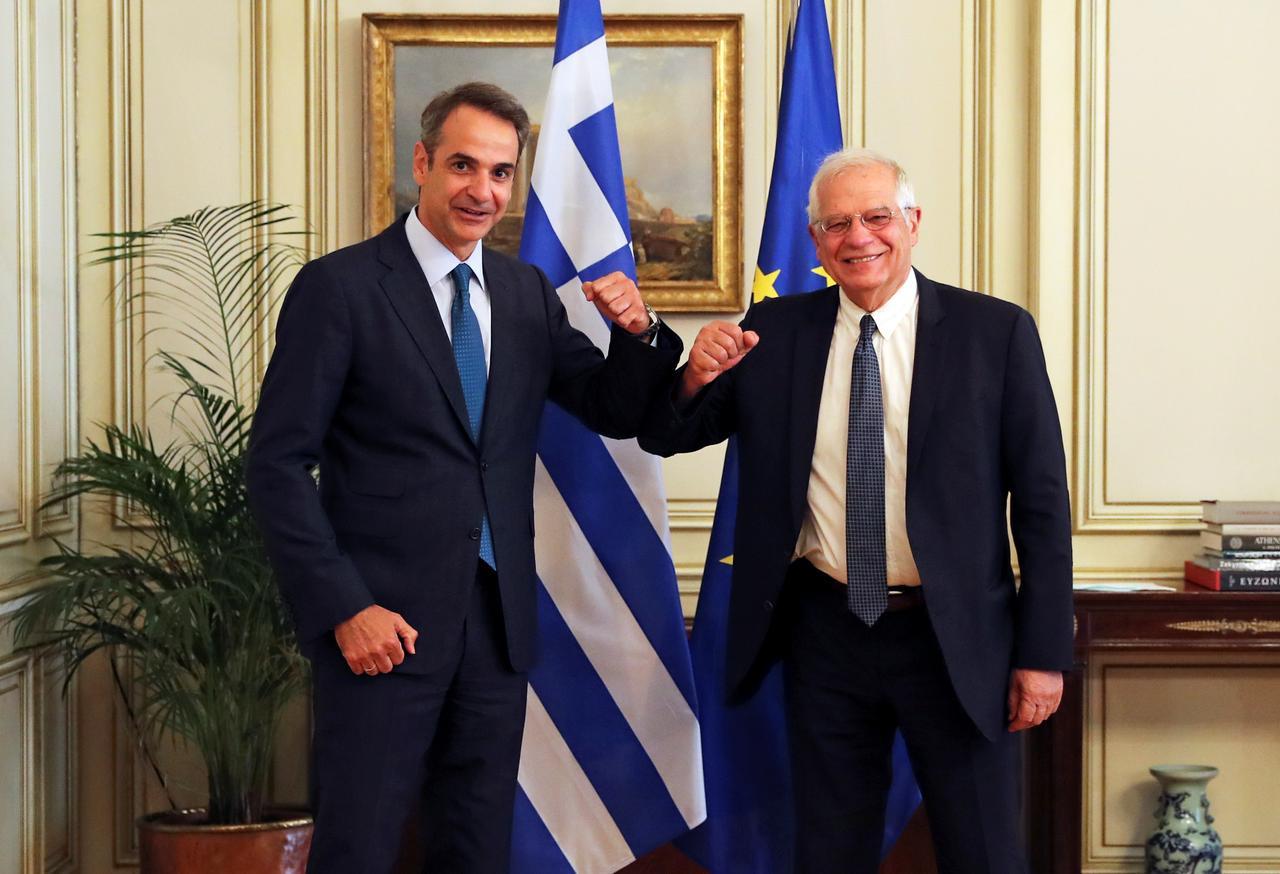
According to Reuters, the European Union wants to rebuild trust with Turkey, its top diplomat said on Wednesday, after a standoff in March in which thousands of migrants attempted to force their way into Greece, triggering clashes on their border.
Before the coronavirus pandemic closed frontiers and halted travel, Ankara said in February it would no longer try to keep refugees fleeing Syria’s war and elsewhere on Turkish soil as it had under a deal it agreed with the bloc in 2016 in return for billions of euros in aid.
An estimated 35,000 migrants from the Middle East, Afghanistan, Pakistan tried to enter Greece, a EU member state. Greece used tear gas and water cannon to hold them back.
Brussels and Athens accused Ankara of goading migrants to storm the border in a bid to “blackmail” Europe into offering more cash and support in the Syrian conflict.
Turkey hosts about 3.6 million refugees from Syria, where its troops and allied rebel forces have battled Russian-backed government forces, and says the EU has failed to honour promises made to Ankara.
“I think we have to stand by our interest(s) and to engage on re-establishing trust,” Josep Borrell, the EU’s foreign policy chief, said during a visit with Greek Foreign Minister Nikos Dendias to a border region Greece shares with Turkey.
“It is very clear we are determined to protect the external border of the European Union and to strongly support Greek sovereignty,” Borrell said.
Of the border tensions then, Dendias said: “This deplorable attempt to blackmail the European Union failed.”
Migration is just one source of dispute between Greece and Turkey. The two countries are at odds over a host of issues from disputed airspace, sea boundaries, minority rights and energy exploration, particularly in the eastern Mediterranean.
Borrell was due to travel to Cyprus on Thursday, which has complained of Turkish attempts to explore for gas in its maritime zones. Turkey says it is within its rights and is protecting the rights of Turkish Cypriots on the ethnically split island.


 Latest news
Latest news
Latest newsGeorgia’s Constitutional Court Continues Case on Banning Opposition Parties: Political Pluralism at Stake
12.Oct.2026
Azerbaijan and Iran Step Up Security Contacts Amid Hijab Protests
12.Oct.2026
Personnel Shortages Complicate Ukrainian Forces’ Rotation: Ukraine Faces Long-Term Challenges on the Front Line
11.Oct.2026
Trump Eases Sanctions on Russian Fuel After Talks with Putin: Kyiv Fears Boost to Moscow’s War Revenues
10.Oct.2026
Putin Seeks to Strengthen Russia’s Influence in the Post-Soviet Space Through the CIS
10.Oct.2026
Russia and the South Caucasus: External Pressure, Political Competition and a Crisis of Trust
10.Oct.2026
Peaceful Settlement Between Armenia and Azerbaijan: Moving from Declarations to Implementation
10.Oct.2026
Moldova Ready to Accept as Many Ukrainians as Necessary if Situation Worsens This Winter
09.Oct.2026
Turkmenistan Turns Avaza into a Regional Diplomatic Hub as Caspian, Central Asian and CIS Agendas Converge
08.Oct.2026
Romania Scrambles Spanish F-18s After Aerial Targets Detected Near Ukrainian Border
07.Oct.2026
Berlin Deepens Defence Partnership with Kyiv: Germany to Provide Ukraine with €1 Billion in Military Aid
07.Oct.2026
European Parliament Against Georgian Dream: EU Prepares New Response to Tbilisi
06.Oct.2026
Bulgarian Foreign Minister to Discuss European Security and International Law in the Netherlands
05.Oct.2026
Rheinmetall in Bulgaria: Sofia Emerges as a New NATO Defence-Industrial Hub in the Balkans
05.Oct.2026
The Cost of a Long War: Moscow Expands Spending Plans Through 2029
05.Oct.2026