
 21 Sep 2026









Uzbekistan Bets on Georgian Ports as Tashkent Expands Its Trade Route to European Markets via the Black Sea
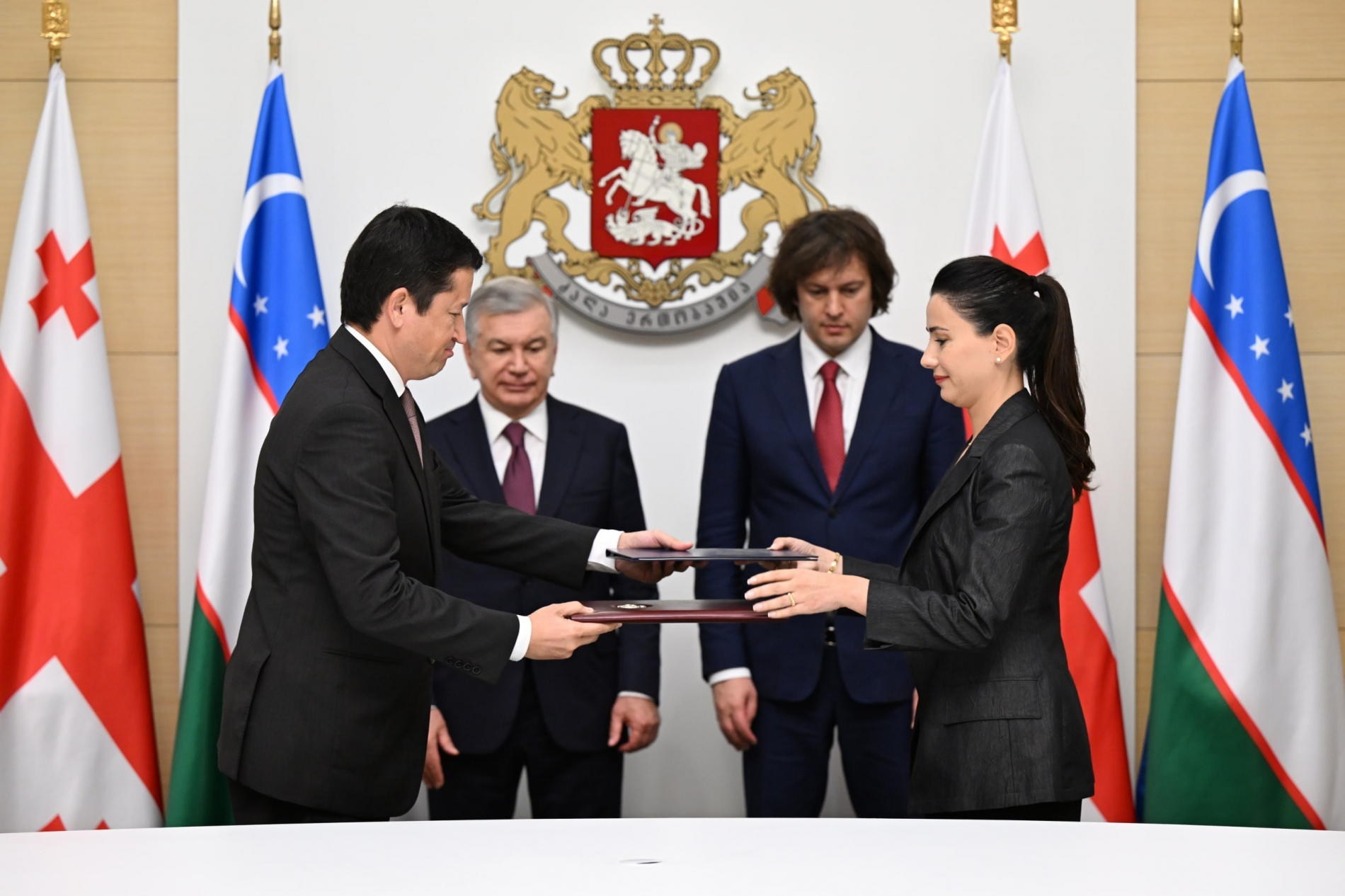
Uzbekistan intends to significantly expand its use of Georgia’s transport infrastructure to boost trade with Europe. During an official visit to Georgia, Uzbekistan’s Minister of Investments, Industry and Trade, Laziz Kudratov, toured the ports of Anaklia, Poti, and Batumi, as well as the Poti Free Industrial Zone, where the two sides discussed increasing cargo traffic and implementing joint logistics projects.
One of the key topics of the talks was the Anaklia deep-sea port, which the Georgian government considers the country's largest infrastructure project. Once completed, the port will be capable of accommodating vessels of all classes, substantially increasing Georgia’s capacity to handle containerized and general cargo. Tashkent is exploring opportunities not only to use the terminal but also to participate in its further development and related investment projects.
 Georgia's Minister of Economy Mariam Kvrivishvili introduced Uzbekistan's Minister of Investments, Industry and Trade, Laziz Kudratov, and Minister of Transport, Ilkhom Makhkamov, to the country's key port infrastructure facilities during their official visit to Georgia
Following the negotiations, Uzbekistan and Georgia reaffirmed their intention to elevate bilateral cooperation to the level of a strategic partnership. In addition to expanding the use of Georgia’s port infrastructure, the two countries agreed to strengthen cooperation in transport, logistics, industrial collaboration, and investment. Georgian officials expect that growing transit volumes from Central Asia will reinforce the country's role as a key logistics hub connecting Europe and Asia while enhancing the importance of Georgian ports within international supply chains.
Analysts note that developing the route through Georgia is of strategic importance for Uzbekistan. As a landlocked country, Uzbekistan is seeking to diversify its export routes and reduce its dependence on traditional transport corridors. Greater use of Georgian ports would enable faster deliveries of goods to European markets via the Black Sea while also improving access to imported industrial products and equipment.
Particular attention is being paid to the development of the Middle Corridor (Trans-Caspian International Transport Route), which links Central Asia with Europe via the Caspian Sea, Azerbaijan, Georgia, and Turkiye. Following major shifts in global logistics in recent years, the corridor has gained increasing importance as an alternative to northern transport routes, with freight volumes continuing to grow.
CCBS Expert Group


 Latest news
Latest news
Latest newsUS Sanctions Target Russias Main Pillar as Moscow Faces New Pressure on Oil Revenues
19.Sep.2026
Russia Begins State Duma Elections Amid War in Ukraine
18.Sep.2026
Bulgaria Strengthens Protection of Strategic Infrastructure Against Drones and Other Threats
18.Sep.2026
Georgia and Enka: How the Namakhvani Dispute Could Affect the Investment Climate
17.Sep.2026
Una Aleksandra Bērziņa-Čerenkova: After Russia’s Invasion, Latvia Began Banning Russian-Language Media
17.Sep.2026
Rainer Saks: Russia сould lose its influence in Armenia, just as it did in the Baltics
16.Sep.2026
Russian Drones Violated Moldovan Airspace Twice During Zelenskys Trips
16.Sep.2026
Operation Vivaldi: Ukraine Reports Advances Near Lyman as Fighting Intensifies
16.Sep.2026
Kazakhstan and South Korea Elevate Ties to Comprehensive Strategic Partnership
16.Sep.2026
Armenia Energy Diversification: Testing the Limits of Dependence on Russian Gas
15.Sep.2026
Tbilisi Distances Itself from Brussels as Kobakhidze Intensifies Criticism of European Policy
14.Sep.2026
Russia Fuel Crisis Gives the US a New Diplomatic Leverage Tool
14.Sep.2026
Trump Calls on Zelenskyy to Stop Strikes on Russian Oil Infrastructure
13.Sep.2026
Ukraine Expands Pressure on Russia’s Shadow Fleet: Moscow’s Oil Logistics Under Threat
13.Sep.2026
The Riga Conference: Europe Prepares for Long-Term Confrontation with Russia and Reshapes Its Security Architecture
12.Sep.2026