
 20 Sep 2026









US Sanctions Target Russias Main Pillar as Moscow Faces New Pressure on Oil Revenues
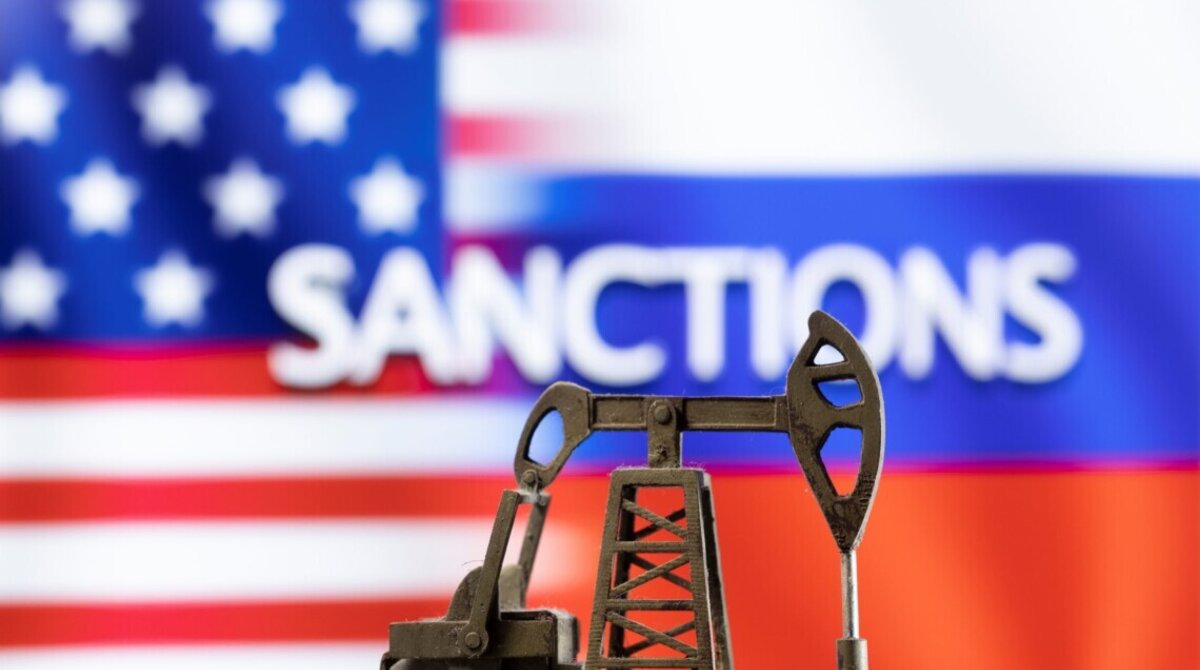
The US Congress has approved a sweeping package of new sanctions measures against Russia, creating an additional mechanism of pressure not only directly on the Russian economy but also on countries that continue to purchase Russian energy resources. The new regime focuses on Russias oil and gas sector, financial structures, and the so-called shadow fleet used to circumvent existing restrictions.
On September 16, the US House of Representatives approved the Lindsey O. Graham Sanctioning Russia and Iran Act of 2026 by a vote of 262 to 159. The bill had previously received Senate support by a vote of 86 to 11. After passing both chambers, the legislation was sent to President Donald Trump.
One of the most significant elements of the new legislation is the possibility of imposing tariffs of up to 100% on goods from countries that continue to purchase Russian oil and gas. The mechanism is designed to exert pressure not only on Russia but also on its major energy partners, thereby extending the scope of sanctions well beyond the Russian economy.
According to CCBS analysis, the legislation allows for the possibility of imposing such tariffs on the five largest importers of Russian oil or gas, as well as on countries that make new purchases of Russian energy resources or facilitate sanctions evasion. At the same time, the final determination of potential targets largely remains at the discretion of the US administration.
According to US lawmakers, pressure on export infrastructure is intended to reduce the amount of revenue flowing into the Russian economy from energy sales. The legislation therefore places particular emphasis on Russias energy sector and the tanker fleet used to transport oil in circumvention of existing restrictions. Washington is thus attempting to exert pressure on the Russian oil model on several fronts simultaneously: through producers and financial institutions inside Russia, through export logistics, and through foreign buyers of Russian oil.
This marks a significant shift in the nature of sanctions policy. While previous restrictions were largely focused on Russian companies, banks, individuals, and transportation infrastructure, the new mechanism creates the risk of secondary economic pressure on countries that maintain substantial energy relations with Moscow.
China and India are particularly important as the largest buyers of Russian oil. Their potential response could determine the practical impact of the new US legislation.
US lawmakers have already directly warned major buyers of Russian energy resources about the possible consequences. Senator Richard Blumenthal said following the House vote that China and India should stop purchasing Russian oil and gas.
Beijing, in turn, rejected the US practice of pressuring countries that purchase Russian energy resources. China said it opposes the exercise of US “jurisdiction beyond its borders” and considers such unilateral measures to lack sufficient grounds under international law. India has also warned Washington about the potential consequences of the new tariff measures for bilateral relations. As a result, the US sanctions initiative is beginning to affect not only relations between Washington and Moscow, but also the broader system of energy ties connecting Russia, Asia, and the West.
The Kremlin has already responded to the passage of the legislation. Russian presidential spokesman Dmitry Peskov said that new US sanctions, if imposed, would complicate efforts to reach a peace agreement in Ukraine, describing the potential measures as “unfriendly actions.”
The intensification of sanctions pressure is taking place alongside Washingtons efforts to maintain the negotiation process between Russia and Ukraine. The new sanctions mechanism therefore creates an additional tension between economic pressure on the Kremlin and diplomatic efforts to reach an agreement. At the same time, the immediate impact of the sanctions will depend on how actively the Trump administration uses the powers provided by the legislation.
Moscow nevertheless retains options for redirecting its trade, while China and India have an interest in maintaining access to relatively inexpensive Russian energy resources. Therefore, the new sanctions regime does not automatically mean an end to Russian oil exports.
The passage of the legislation demonstrates that the US is gradually expanding its sanctions model from direct pressure on Russia to targeting the economic infrastructure that supports Russian exports. If Washington actually exercises its new tariff powers, Russia will have to take into account not only restrictions against its own companies and banks, but also potential risks for its largest oil buyers.
The United States is seeking to make continued large-scale trade in Russian energy resources more costly and risky for third countries. New tariffs could affect not only Russia but also global trade and energy prices. A potential reduction in Russian oil purchases by major importers could alter existing trade routes and the structure of global energy flows. At the same time, the ultimate consequences will depend on decisions by the Trump administration, the responses of China and India, and Russias ability to maintain export volumes and find buyers amid further intensification of sanctions pressure.


 Latest news
Latest news
Latest newsUS Sanctions Target Russias Main Pillar as Moscow Faces New Pressure on Oil Revenues
19.Sep.2026
Russia Begins State Duma Elections Amid War in Ukraine
18.Sep.2026
Bulgaria Strengthens Protection of Strategic Infrastructure Against Drones and Other Threats
18.Sep.2026
Georgia and Enka: How the Namakhvani Dispute Could Affect the Investment Climate
17.Sep.2026
Una Aleksandra Bērziņa-Čerenkova: After Russia’s Invasion, Latvia Began Banning Russian-Language Media
17.Sep.2026
Rainer Saks: Russia сould lose its influence in Armenia, just as it did in the Baltics
16.Sep.2026
Russian Drones Violated Moldovan Airspace Twice During Zelenskys Trips
16.Sep.2026
Operation Vivaldi: Ukraine Reports Advances Near Lyman as Fighting Intensifies
16.Sep.2026
Kazakhstan and South Korea Elevate Ties to Comprehensive Strategic Partnership
16.Sep.2026
Armenia Energy Diversification: Testing the Limits of Dependence on Russian Gas
15.Sep.2026
Tbilisi Distances Itself from Brussels as Kobakhidze Intensifies Criticism of European Policy
14.Sep.2026
Russia Fuel Crisis Gives the US a New Diplomatic Leverage Tool
14.Sep.2026
Trump Calls on Zelenskyy to Stop Strikes on Russian Oil Infrastructure
13.Sep.2026
Ukraine Expands Pressure on Russia’s Shadow Fleet: Moscow’s Oil Logistics Under Threat
13.Sep.2026
The Riga Conference: Europe Prepares for Long-Term Confrontation with Russia and Reshapes Its Security Architecture
12.Sep.2026