
 23 Sep 2026









Russia Extends Ban on Gasoline and Diesel Exports Until the End of January 2027
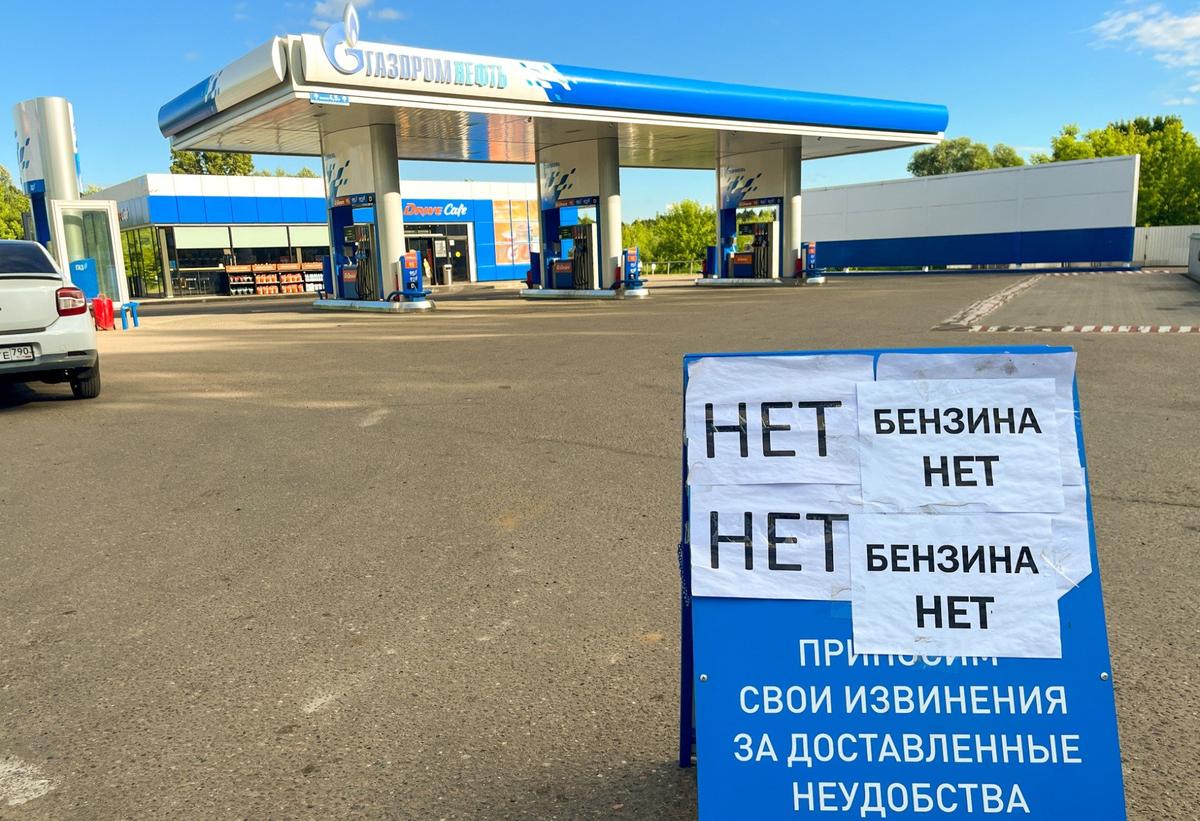
The Russian government has decided to extend
restrictions on the export of gasoline, diesel fuel, and several other
petroleum products until January 31, 2027. According to the authorities, the
measure is intended to ensure the stability of the domestic fuel market,
prevent shortages, and contain price increases amid ongoing risks facing the
country's oil refining industry.
The restrictions were introduced against the backdrop of
continued Ukrainian drone attacks on Russia's oil and energy infrastructure.
Over recent months, several major oil refineries, fuel storage facilities, and
oil terminals have been targeted, leading to temporary reductions in refining
capacity and disruptions to domestic fuel supply chains. Although part of the
damaged infrastructure has been restored, the Russian government considers it
necessary to continue prioritizing supplies to the domestic market.
According to the Russian Ministry of Energy, extending the
export restrictions will help build additional fuel reserves ahead of the
autumn and winter season, ensure uninterrupted supplies to the agricultural,
industrial, and transport sectors, and reduce the potential impact of any
further attacks on critical energy infrastructure.
Russia remains one of the world's largest
exporters of petroleum products, meaning the continued export restrictions
could affect regional fuel markets, particularly in the Commonwealth of
Independent States (CIS), the Middle East, and Asia, which have become the primary
destinations for Russian petroleum exports following Western sanctions.
Analysts note that reduced export volumes could support global diesel prices,
especially if seasonal demand increases.
The extension of the export ban also indicates that Russian
authorities continue to view the situation in the country's refining sector as
fragile. Despite the industry's adaptation to Western sanctions and enhanced
protection of strategic facilities, recurring drone attacks continue to pose
risks to fuel production and exports, prompting the government to prioritize
domestic energy security over external sales.


 Latest news
Latest news
Latest newsBulgaria Strengthens Mobile Air Defence Through Strategic Partnership with Czechia
22.Sep.2026
Bulgaria Marks 118 Years of Independence: Veliko Tarnovo Becomes the Center of National Celebrations
22.Sep.2026
Tbilisi Links Georgia’s European Future to the Restoration of Territorial Integrity
22.Sep.2026
Duma Elections Reinforce Kremlin Dominance Amid the War
21.Sep.2026
Zelenskyy Approves New Long-Range Ukrainian Operations Amid Russian Attacks
20.Sep.2026
US Sanctions Target Russias Main Pillar as Moscow Faces New Pressure on Oil Revenues
19.Sep.2026
Russia Begins State Duma Elections Amid War in Ukraine
18.Sep.2026
Bulgaria Strengthens Protection of Strategic Infrastructure Against Drones and Other Threats
18.Sep.2026
Georgia and Enka: How the Namakhvani Dispute Could Affect the Investment Climate
17.Sep.2026
Latvia Banned Russia-Based Media After Russia’s Invasion of Ukraine, Latvian Institute of International Affairs Director Says
17.Sep.2026
Rainer Saks: Russia сould lose its influence in Armenia, just as it did in the Baltics
16.Sep.2026
Russian Drones Violated Moldovan Airspace Twice During Zelenskys Trips
16.Sep.2026
Operation Vivaldi: Ukraine Reports Advances Near Lyman as Fighting Intensifies
16.Sep.2026
Kazakhstan and South Korea Elevate Ties to Comprehensive Strategic Partnership
16.Sep.2026
Armenia Energy Diversification: Testing the Limits of Dependence on Russian Gas
15.Sep.2026