
 20 Sep 2026









Russia Reports Stabilization in Fuel Market Amid Domestic Supply Disruptions
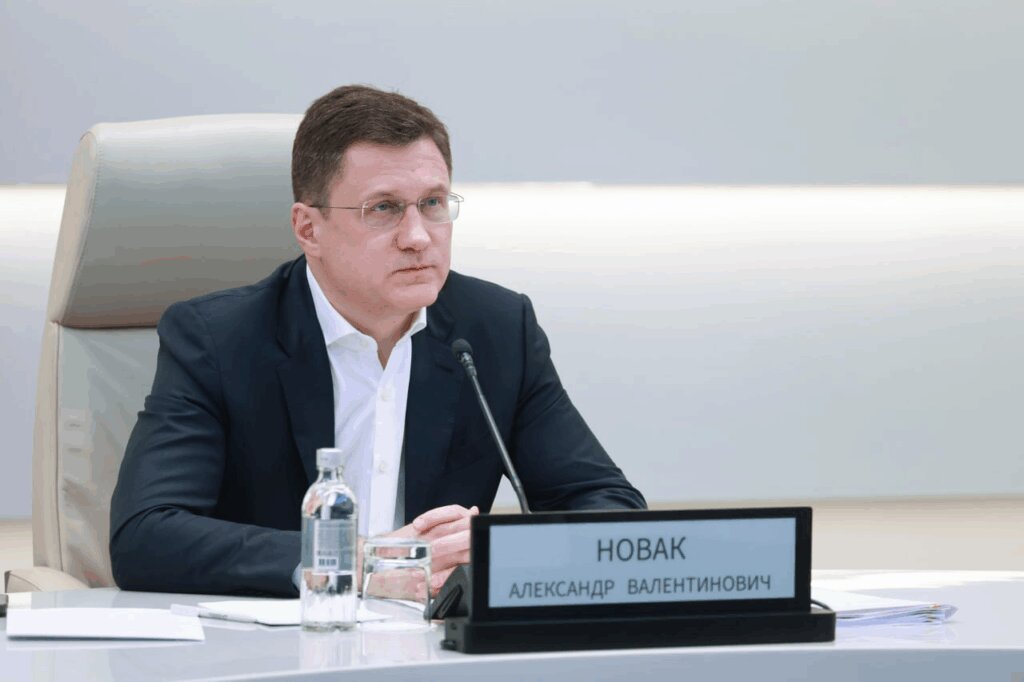
The situation with fuel supplies to Russia’s domestic market has begun to stabilize, although localized disruptions persist in some regions, Russian Deputy Prime Minister Alexander Novak said.
According to Novak, fuel availability improved over the past week. However, the shortages have not been fully resolved, with some areas still facing limited supplies of gasoline and other petroleum products.
According to CCBS data, the difficulties in the Russian fuel market are primarily linked to a decline in oil refining. In 2026, Russian refineries have faced the consequences of attacks on energy infrastructure, as well as scheduled maintenance and equipment repairs.
Novak said the decline in oil production this year would be relatively small and mainly temporary. Production is expected to recover once maintenance work is completed.
At the same time, the Russian government is revising its oil production forecasts for the coming years. According to a draft government forecast, estimates for Russian oil production in 2026–2029 have been lowered by 16–20 million metric tons. This suggests that problems in the oil sector are taking on a longer-term dimension, although Moscow continues to view the current decline as largely temporary.
Russian authorities are using restrictions on petroleum product exports to stabilize the domestic market. Moscow has previously extended restrictions on exports of certain types of fuel amid supply disruptions and reduced refining capacity. The measures have been viewed as one of the tools available to prevent the shortage from worsening.
Such a policy allows more fuel to be redirected toward Russian consumers, but at the same time reduces the oil industry’s export opportunities and potential foreign-currency revenues.
Attacks on Russia’s energy infrastructure remain another factor complicating the situation. Damage to oil refineries reduces available processing capacity and forces companies to redistribute production among facilities that remain operational.
At the same time, Russian authorities must take seasonal demand into account and ensure adequate fuel supplies for the agricultural sector. Novak acknowledged as early as the summer that the situation remained difficult in some Russian regions, although the government expected conditions to gradually stabilize.
Novak’s statement that the situation is stabilizing indicates that Moscow has so far managed to avoid a nationwide fuel crisis, but the underlying problems have not been fully resolved. On the one hand, the government has administrative tools at its disposal, including export restrictions, redistribution of supplies, and the use of domestic reserves. On the other hand, prolonged problems in the refining sector are creating additional pressure on the market.
Particularly significant is the fact that Russia is simultaneously announcing stabilization while lowering its oil production forecasts for the coming years. This indicates that the short-term fuel shortage and deeper structural problems within the oil industry are two distinct but interconnected trends.
Russia remains one of the world’s largest players in the global oil industry, and a decline in its refining capacity and export potential could affect not only domestic prices but also regional petroleum product markets. At the same time, global energy markets are facing additional pressure due to geopolitical instability in the Middle East.
Overall, Novak’s statement can be viewed as a signal of controlled stabilization rather than a complete resolution of the fuel problem. The Russian government has so far managed to prevent the domestic market from sliding into a large-scale shortage, but the condition of the refining sector, export restrictions, and continuing attacks on energy infrastructure continue to create risks of further disruptions.


 Latest news
Latest news
Latest newsUS Sanctions Target Russias Main Pillar as Moscow Faces New Pressure on Oil Revenues
19.Sep.2026
Russia Begins State Duma Elections Amid War in Ukraine
18.Sep.2026
Bulgaria Strengthens Protection of Strategic Infrastructure Against Drones and Other Threats
18.Sep.2026
Georgia and Enka: How the Namakhvani Dispute Could Affect the Investment Climate
17.Sep.2026
Una Aleksandra Bērziņa-Čerenkova: After Russia’s Invasion, Latvia Began Banning Russian-Language Media
17.Sep.2026
Rainer Saks: Russia сould lose its influence in Armenia, just as it did in the Baltics
16.Sep.2026
Russian Drones Violated Moldovan Airspace Twice During Zelenskys Trips
16.Sep.2026
Operation Vivaldi: Ukraine Reports Advances Near Lyman as Fighting Intensifies
16.Sep.2026
Kazakhstan and South Korea Elevate Ties to Comprehensive Strategic Partnership
16.Sep.2026
Armenia Energy Diversification: Testing the Limits of Dependence on Russian Gas
15.Sep.2026
Tbilisi Distances Itself from Brussels as Kobakhidze Intensifies Criticism of European Policy
14.Sep.2026
Russia Fuel Crisis Gives the US a New Diplomatic Leverage Tool
14.Sep.2026
Trump Calls on Zelenskyy to Stop Strikes on Russian Oil Infrastructure
13.Sep.2026
Ukraine Expands Pressure on Russia’s Shadow Fleet: Moscow’s Oil Logistics Under Threat
13.Sep.2026
The Riga Conference: Europe Prepares for Long-Term Confrontation with Russia and Reshapes Its Security Architecture
12.Sep.2026