
 20 Sep 2026









Tbilisi Distances Itself from Brussels as Kobakhidze Intensifies Criticism of European Policy
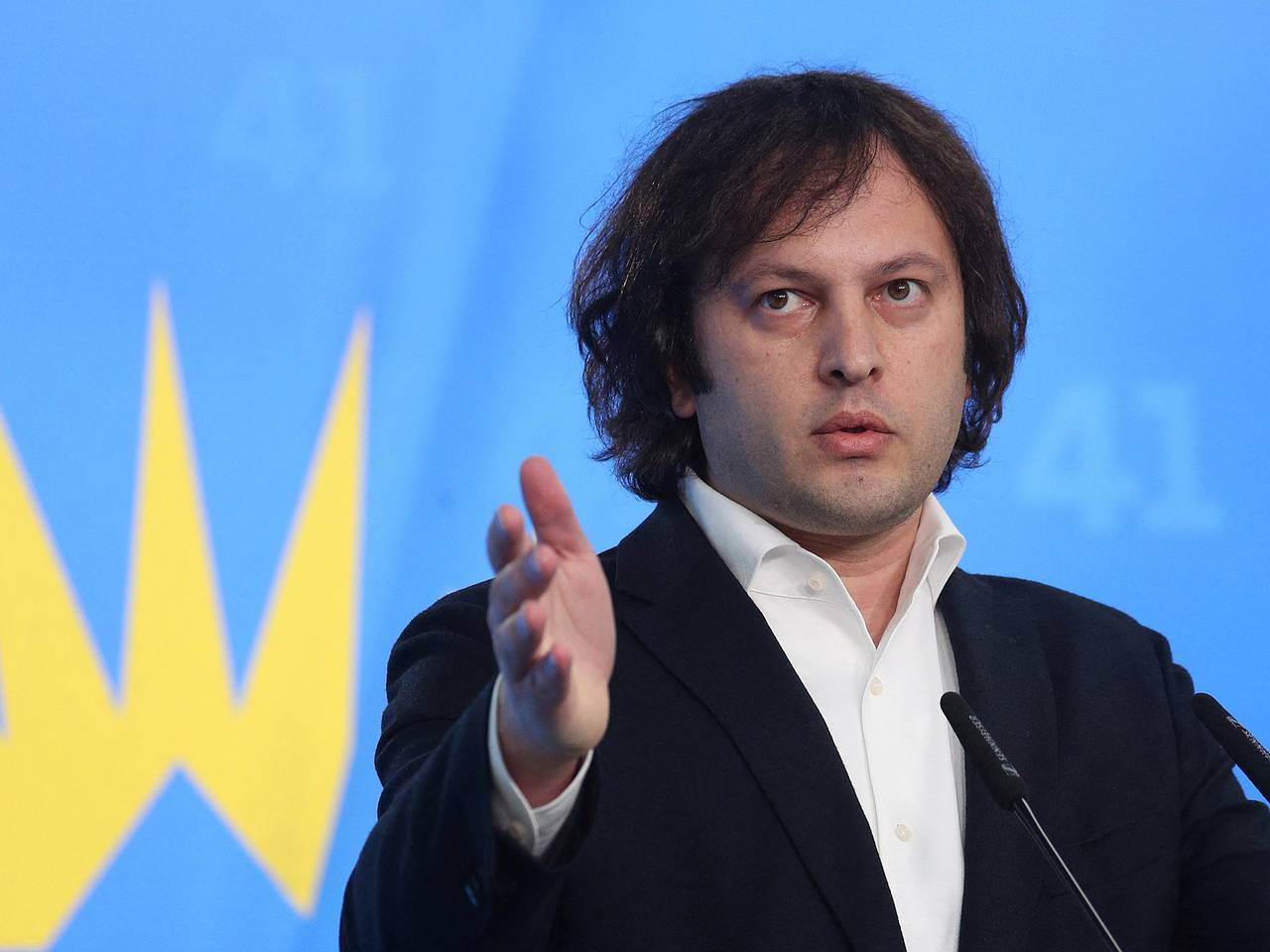
Georgian Prime Minister Irakli Kobakhidze said that Europe is facing serious systemic problems, linking declining approval ratings of European politicians to what he described as flawed economic and political trends. His remarks came amid continued political tensions between Tbilisi and European institutions.
On September 14, Kobakhidze, responding to journalists’ questions about the results of an IPSOS survey, said that Europe is facing “serious problems” and that political approval ratings reflect broader developments within European countries.
According to the Georgian prime minister, these developments are primarily linked to “wrong economic and political trends”. “In general, there are serious problems in Europe”, Kobakhidze said, adding that Tbilisi does not consider it its task to assess the approval ratings of political leaders in other countries. At the same time, the Georgian prime minister emphasized that the results of various surveys reflect the state of European societies and political systems.
Kobakhidze’s statement goes beyond an assessment of a particular opinion poll. The prime minister linked the electoral performance of European politicians to broader economic and political processes, effectively presenting declining public support as a consequence of problems within the European model itself.
This rhetoric is consistent with the broader policy line of the Georgian government, which has increasingly emphasized the need to independently determine the country’s foreign policy course while criticizing certain decisions made by European states.
Kobakhidze’s remarks also came at a time when European institutions are discussing a number of structural economic and technological challenges. On September 14, European Central Bank President Christine Lagarde warned about the risk of Europe becoming technologically dependent on the United States and China in the field of artificial intelligence and called for accelerating the development of Europe’s own AI infrastructure.
However, these challenges in themselves do not substantiate the political assessments made by the Georgian prime minister. Kobakhidze is using a broader political interpretation, linking various domestic difficulties faced by European countries to their economic and political policies.
The Georgian authorities are increasingly seeking to present relations with the EU as an interaction between two sides, each with its own interests and challenges. Within this approach, Tbilisi is attempting to avoid a situation in which the European side is perceived solely as a political mentor determining Georgia’s domestic standards and development trajectory.
According to CCBS, Kobakhidze’s statement indicates a further widening of the political distance between Tbilisi and Brussels. Criticism of the European economic and political model is becoming an instrument for the Georgian government to justify a more independent course, in which European integration is viewed not as the unconditional acceptance of external political requirements, but as a process that Tbilisi seeks to adapt to its own interests and priorities.


 Latest news
Latest news
Latest newsUS Sanctions Target Russias Main Pillar as Moscow Faces New Pressure on Oil Revenues
19.Sep.2026
Russia Begins State Duma Elections Amid War in Ukraine
18.Sep.2026
Bulgaria Strengthens Protection of Strategic Infrastructure Against Drones and Other Threats
18.Sep.2026
Georgia and Enka: How the Namakhvani Dispute Could Affect the Investment Climate
17.Sep.2026
Una Aleksandra Bērziņa-Čerenkova: After Russia’s Invasion, Latvia Began Banning Russian-Language Media
17.Sep.2026
Rainer Saks: Russia сould lose its influence in Armenia, just as it did in the Baltics
16.Sep.2026
Russian Drones Violated Moldovan Airspace Twice During Zelenskys Trips
16.Sep.2026
Operation Vivaldi: Ukraine Reports Advances Near Lyman as Fighting Intensifies
16.Sep.2026
Kazakhstan and South Korea Elevate Ties to Comprehensive Strategic Partnership
16.Sep.2026
Armenia Energy Diversification: Testing the Limits of Dependence on Russian Gas
15.Sep.2026
Tbilisi Distances Itself from Brussels as Kobakhidze Intensifies Criticism of European Policy
14.Sep.2026
Russia Fuel Crisis Gives the US a New Diplomatic Leverage Tool
14.Sep.2026
Trump Calls on Zelenskyy to Stop Strikes on Russian Oil Infrastructure
13.Sep.2026
Ukraine Expands Pressure on Russia’s Shadow Fleet: Moscow’s Oil Logistics Under Threat
13.Sep.2026
The Riga Conference: Europe Prepares for Long-Term Confrontation with Russia and Reshapes Its Security Architecture
12.Sep.2026