
 20 Sep 2026









Bulgaria Prepares to Raise the Minimum Wage: Incomes Could Increase by €40–50 in 2027
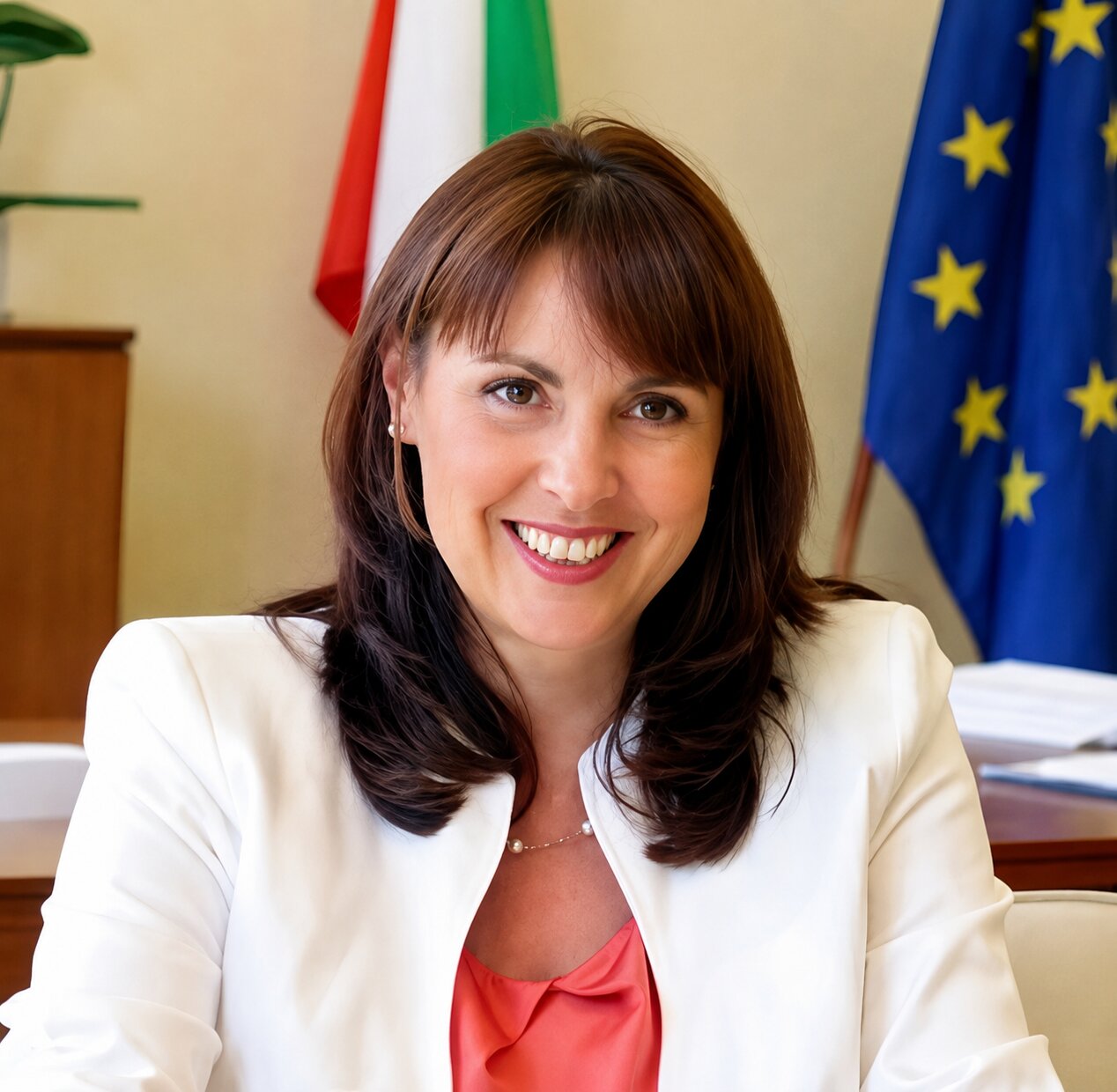
Bulgaria is preparing for another increase in the minimum wage. In 2027, the minimum monthly income for workers could rise by around €40–50, Minister of Labour and Social Policy Natalia Efremova said. The final amount has not yet been approved and will depend on budgetary capacity and a government decision.
Bulgaria’s current monthly minimum wage stands at €620.20. According to Efremova, the most realistic scenario for 2027 is an increase of approximately €40–50. This would bring the minimum wage to around €660–670 per month.
Natalia Efremova stressed that the minimum wage will definitely be increased, although the exact amount has not yet been determined. Talks between the government, trade unions and employers have so far failed to produce an agreement on the final figure.
According to CCBS, Bulgaria is changing the mechanism for determining the minimum wage. The government and social partners have agreed to take into account purchasing power, the overall level and dynamics of wages, income distribution and long-term labour productivity. A regular assessment of the adequacy of the minimum wage is also envisaged.
The change in the mechanism could prove more significant than the €40–50 increase itself. Until now, the minimum wage in Bulgaria has frequently been the subject of political and social bargaining between the government, trade unions and employers. Sofia is now seeking to link its level to a broader set of economic indicators.
This represents a gradual shift away from a model in which the minimum wage is largely the result of negotiations towards a system based on objective economic parameters.
Labour productivity is particularly important. If wages rise faster than productivity over an extended period, this could increase business costs and create additional inflationary pressure. If wages instead lag behind productivity and the cost of living, the government risks seeing real household incomes decline.
The new mechanism is therefore intended to strike a balance between two competing objectives — protecting workers while preserving business competitiveness.
An increase of €40–50 would represent approximately 6–8% growth compared with the current level. For workers on the lowest incomes, this could provide a noticeable boost to purchasing power, particularly if inflation remains moderate. At the same time, employers would face higher labour-related costs, including associated social security and insurance contributions.
The sectors most exposed are likely to be those with a high proportion of low-paid workers — retail, hospitality, food services, agriculture, certain manufacturing segments and other service industries. Businesses in these sectors may have to choose between accepting lower margins, raising prices, investing in productivity or reducing staffing levels.
The increase in the minimum wage is only one element of the government’s broader social policy.
Efremova also said that around 450,000–500,000 low-income people could receive a €50 Christmas payment. In addition, the government is considering increasing support during the second year of parental leave and introducing additional incentives for mothers who return to work earlier.
At the same time, the so-called “Swiss rule” for pension indexation is expected to be applied in 2027, taking into account inflation and the growth of average insurable income. This means the government’s policy is not limited to raising the minimum wage, but represents a broader effort to increase disposable household incomes.
At first glance, a €40–50 increase in the minimum wage appears relatively modest. However, the political significance of the decision could be considerably greater than its immediate financial impact. The Bulgarian government is seeking to demonstrate to several groups of society that economic growth should translate into higher incomes. This is particularly important in a country where wage levels remain one of the most sensitive issues in socio-economic policy within the EU.
At the same time, Sofia appears keen to avoid an excessive increase. It is notable that Efremova is referring to a €40–50 range, while calculations under the previous mechanism could have resulted in a higher figure of around €690. This suggests that the government is seeking a compromise between social pressure and the economy’s capacity to absorb higher labour costs.
If wages increase faster than labour productivity, some businesses may seek to compensate for higher costs by raising prices. In that case, part of the nominal wage increase could be eroded by inflation. However, if productivity and economic growth remain sufficiently strong, a higher minimum wage could support domestic demand, increase consumption and encourage companies to invest in automation and efficiency. Therefore, the €40–50 increase should be viewed neither as an outright threat to the economy nor as an unequivocally positive measure. Its ultimate impact will depend on the condition of the Bulgarian economy in 2027.


 Latest news
Latest news
Latest newsUS Sanctions Target Russias Main Pillar as Moscow Faces New Pressure on Oil Revenues
19.Sep.2026
Russia Begins State Duma Elections Amid War in Ukraine
18.Sep.2026
Bulgaria Strengthens Protection of Strategic Infrastructure Against Drones and Other Threats
18.Sep.2026
Georgia and Enka: How the Namakhvani Dispute Could Affect the Investment Climate
17.Sep.2026
Una Aleksandra Bērziņa-Čerenkova: After Russia’s Invasion, Latvia Began Banning Russian-Language Media
17.Sep.2026
Rainer Saks: Russia сould lose its influence in Armenia, just as it did in the Baltics
16.Sep.2026
Russian Drones Violated Moldovan Airspace Twice During Zelenskys Trips
16.Sep.2026
Operation Vivaldi: Ukraine Reports Advances Near Lyman as Fighting Intensifies
16.Sep.2026
Kazakhstan and South Korea Elevate Ties to Comprehensive Strategic Partnership
16.Sep.2026
Armenia Energy Diversification: Testing the Limits of Dependence on Russian Gas
15.Sep.2026
Tbilisi Distances Itself from Brussels as Kobakhidze Intensifies Criticism of European Policy
14.Sep.2026
Russia Fuel Crisis Gives the US a New Diplomatic Leverage Tool
14.Sep.2026
Trump Calls on Zelenskyy to Stop Strikes on Russian Oil Infrastructure
13.Sep.2026
Ukraine Expands Pressure on Russia’s Shadow Fleet: Moscow’s Oil Logistics Under Threat
13.Sep.2026
The Riga Conference: Europe Prepares for Long-Term Confrontation with Russia and Reshapes Its Security Architecture
12.Sep.2026