
 29 Nov 2026









Ukraine Proposes Black Sea Ceasefire: Maritime Security Becomes Part of Diplomatic Negotiations
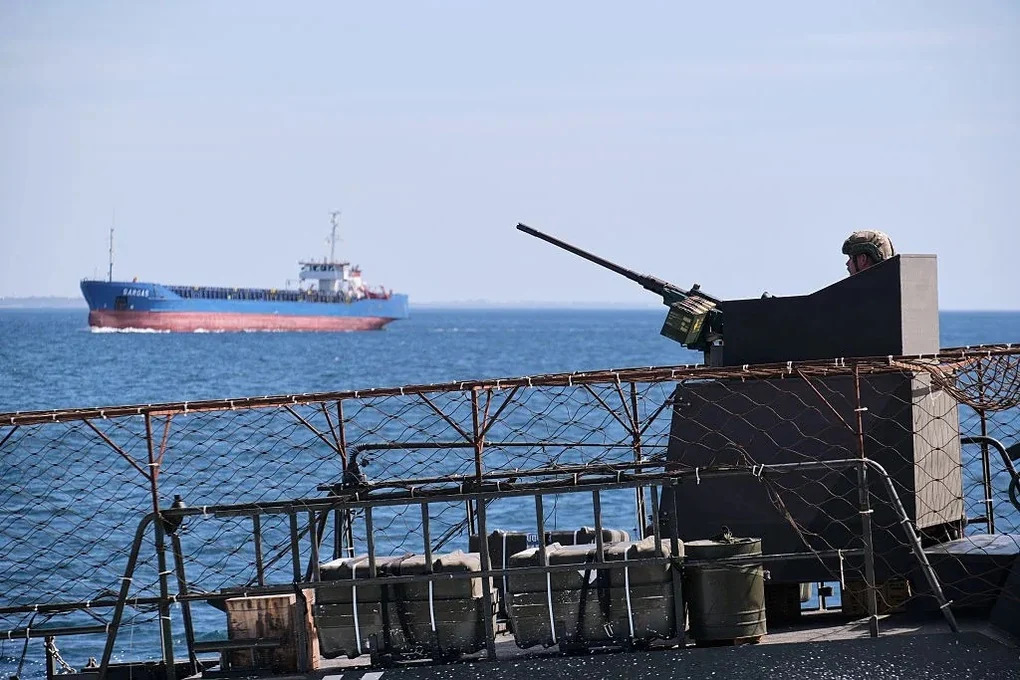
Ukraine has expressed its readiness to agree to a ceasefire in the Black Sea, viewing the protection of maritime shipping and the continuation of food exports as potential elements of a diplomatic settlement. Kyiv is awaiting Moscow’s response to the initiative, which could pave the way for renewed negotiations on maritime security. The proposal takes on particular significance amid continuing military threats to commercial vessels, port infrastructure and international trade routes.
On 28 November 2026, the Ukrainian side announced its readiness to consider a ceasefire in the Black Sea aimed at ensuring the safety of commercial shipping and maintaining uninterrupted food exports. Kyiv is awaiting a response from Moscow, whose position will determine whether the initiative can move forward.
Ukraine’s proposal carries both economic and military-political significance. The Black Sea remains one of the key theatres of the Russian-Ukrainian conflict, where military operations, attacks on port infrastructure and threats to civilian shipping directly affect regional security. Under these circumstances, even a limited maritime ceasefire agreement could reduce risks to international commercial shipping and create additional opportunities for diplomatic engagement.
The countries of the Black Sea basin, particularly Turkiye, Romania and Bulgaria, have a strong interest in stabilising the situation. The security of maritime communications is of strategic importance to these states, not only for their national economies but also for the functioning of international logistics chains and the uninterrupted supply of food and energy resources. Any further escalation in the Black Sea could increase insurance costs for shipping companies, disrupt port operations and heighten risks for commercial shipping operators.
Food security also remains one of the central considerations behind the initiative. Ukraine traditionally relies on its Black Sea ports as a major channel for agricultural exports. Maintaining access to maritime routes enables Kyiv to sustain export revenues, support its agricultural sector and preserve its position in international food markets. At the same time, the stability of these routes is important for countries that depend on imports of Ukrainian grain and other agricultural products.
Nevertheless, the practical implementation of a maritime ceasefire will depend on the specific terms of a potential agreement. Among the most challenging issues are defining the geographical scope of the ceasefire, establishing mechanisms for monitoring compliance, determining the status of military vessels, protecting port infrastructure and setting out procedures for responding to potential violations. Guarantees will also be required to ensure that the suspension of attacks on commercial shipping is not exploited by either side to secure unilateral military advantages.
According to the CCBS assessment, Kyiv’s initiative reflects an effort to establish Black Sea security as a separate track of diplomatic engagement without waiting for a comprehensive agreement to end the Russian-Ukrainian war. A limited maritime ceasefire could potentially serve as an interim mechanism for reducing tensions. However, its effectiveness will depend not on political declarations but on the existence of verifiable guarantees and an agreed monitoring mechanism.
The further development of this initiative will therefore have implications not only for Ukraine and Russia but also for the broader security architecture of the Black Sea region. Moscow’s response, Ankara’s position and the engagement of European states could determine whether the protection of international shipping becomes a separate subject of negotiations or remains part of the wider military-political confrontation.


 Latest news
Ukraine Deploys Laser Weapon against Russian Jet-Powered Drone for the First Time: a New Stage in Air Defence Development
28.Nov.2026
Ukraine Proposes Black Sea Ceasefire: Maritime Security Becomes Part of Diplomatic Negotiations
28.Nov.2026
EU Accelerates Defence Readiness 2030: Brussels Seeks to Remove Obstacles to Military Mobility
27.Nov.2026
Bulgaria Intercepts Boat Carrying 35 Migrants in the Black Sea
27.Nov.2026
Pro-European Protests Continue in Georgia as Opposition Calls for Large-Scale March in Tbilisi on November 28
27.Nov.2026
Bulgaria Strengthens Its Air Defence: Sofia to Acquire Five Additional IRIS-T SLM Systems for €925.9 Million
26.Nov.2026
Armenia Seeks to Assume Full Responsibility for Border Security as Yerevan Strengthens National Sovereignty
26.Nov.2026
Russian State Duma Approves Increase in Defence Spending for 2027: One in Every Three Rubles to Go Towards the War
25.Nov.2026
Armenia Revises Its Constitution: Pashinyan Proposes a New Stage of State Development and a Peace Agenda
25.Nov.2026
EU Presents 22nd Sanctions Package Against Russia: Restrictions to Target Banks, Shadow Fleet and Participation in European Sports
24.Nov.2026
Latvia and Armenia: Cautious Support for a European Path
24.Nov.2026
Two Commercial Vessels Attacked in the Black Sea off Bulgaria
23.Nov.2026
EU Allocates Another €1 Billion to Ukraine: European Military Support Takes on a Long-Term Dimension
22.Nov.2026
Europe Prepares a Military Mission for Ukraine: 2800 Troops Rehearse Post-War Deployment Scenarios
21.Nov.2026
Russian Missiles and a Drone Fall on Polish Territory: NATO Faces New Threats on Its Eastern Flank
21.Nov.2026