
 13 Oct 2026









Erdogan and Pashinyan stressed that the establishment of lasting peace and stability in the region will contribute to the development and well-being of all countries in the region
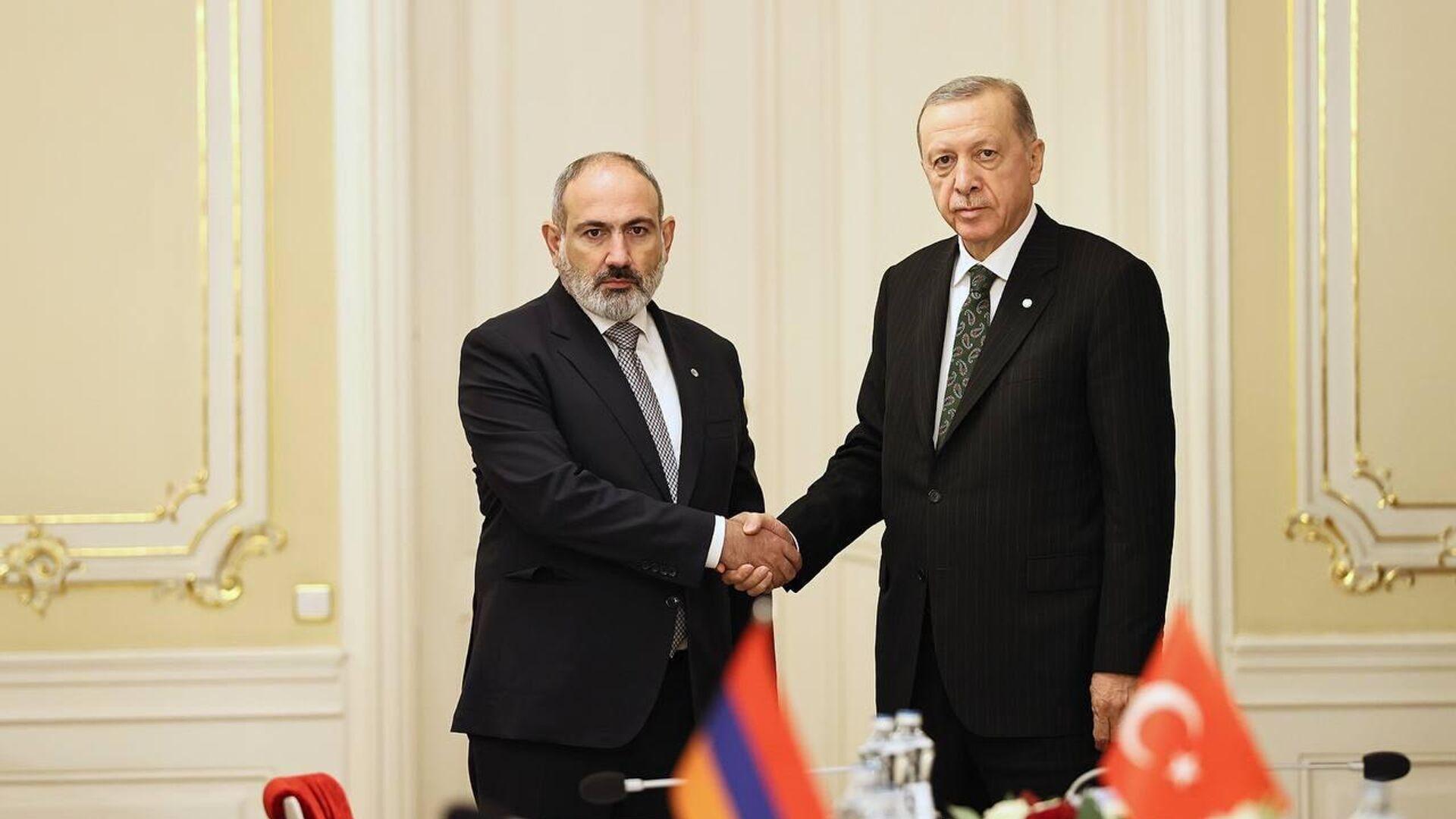
In a significant diplomatic development, Turkish President Recep Tayyip Erdogan engaged in a telephone conversation with Armenian Prime Minister Nikol Pashinyan, underscoring the importance of bilateral relations and key regional issues. The Office for Relations of the Turkish Presidential Administration confirmed the discussion, shedding light on the leaders' shared commitment to fostering lasting peace and stability in the region.
The conversation between Erdogan and Pashinyan marked a notable step in addressing the complex history and strained relations between Turkey and Armenia. While these neighboring nations have grappled with historical disputes, the leaders emphasized the imperative of finding common ground for the betterment of the region as a whole.
Both Erdogan and Pashinyan underscored that the pursuit of enduring peace and stability in the region holds the potential to catalyze development and prosperity for all countries in the vicinity. This perspective represents a departure from longstanding tensions and suggests a willingness to explore diplomatic avenues to resolve ongoing issues.
Importantly, the leaders committed to continued diplomatic efforts aimed at advancing the cause of peace and stability in the region. Their dialogue signifies a growing recognition of the interconnectedness of their nations and the broader region, hinting at a potential shift in dynamics that could have far-reaching consequences.
As Turkey and Armenia navigate the intricacies of their relationship, the world watches closely, with hopes that these discussions will lead to tangible progress toward lasting peace and cooperation in a historically fraught region.


 Latest news
Latest news
Latest newsGeorgia’s Constitutional Court Continues Case on Banning Opposition Parties: Political Pluralism at Stake
12.Oct.2026
Azerbaijan and Iran Step Up Security Contacts Amid Hijab Protests
12.Oct.2026
Personnel Shortages Complicate Ukrainian Forces’ Rotation: Ukraine Faces Long-Term Challenges on the Front Line
11.Oct.2026
Trump Eases Sanctions on Russian Fuel After Talks with Putin: Kyiv Fears Boost to Moscow’s War Revenues
10.Oct.2026
Putin Seeks to Strengthen Russia’s Influence in the Post-Soviet Space Through the CIS
10.Oct.2026
Russia and the South Caucasus: External Pressure, Political Competition and a Crisis of Trust
10.Oct.2026
Peaceful Settlement Between Armenia and Azerbaijan: Moving from Declarations to Implementation
10.Oct.2026
Moldova Ready to Accept as Many Ukrainians as Necessary if Situation Worsens This Winter
09.Oct.2026
Turkmenistan Turns Avaza into a Regional Diplomatic Hub as Caspian, Central Asian and CIS Agendas Converge
08.Oct.2026
Romania Scrambles Spanish F-18s After Aerial Targets Detected Near Ukrainian Border
07.Oct.2026
Berlin Deepens Defence Partnership with Kyiv: Germany to Provide Ukraine with €1 Billion in Military Aid
07.Oct.2026
European Parliament Against Georgian Dream: EU Prepares New Response to Tbilisi
06.Oct.2026
Bulgarian Foreign Minister to Discuss European Security and International Law in the Netherlands
05.Oct.2026
Rheinmetall in Bulgaria: Sofia Emerges as a New NATO Defence-Industrial Hub in the Balkans
05.Oct.2026
The Cost of a Long War: Moscow Expands Spending Plans Through 2029
05.Oct.2026