
 13 Oct 2026









Romania Approves Construction of One of the Largest Solar Power Plants in Europe
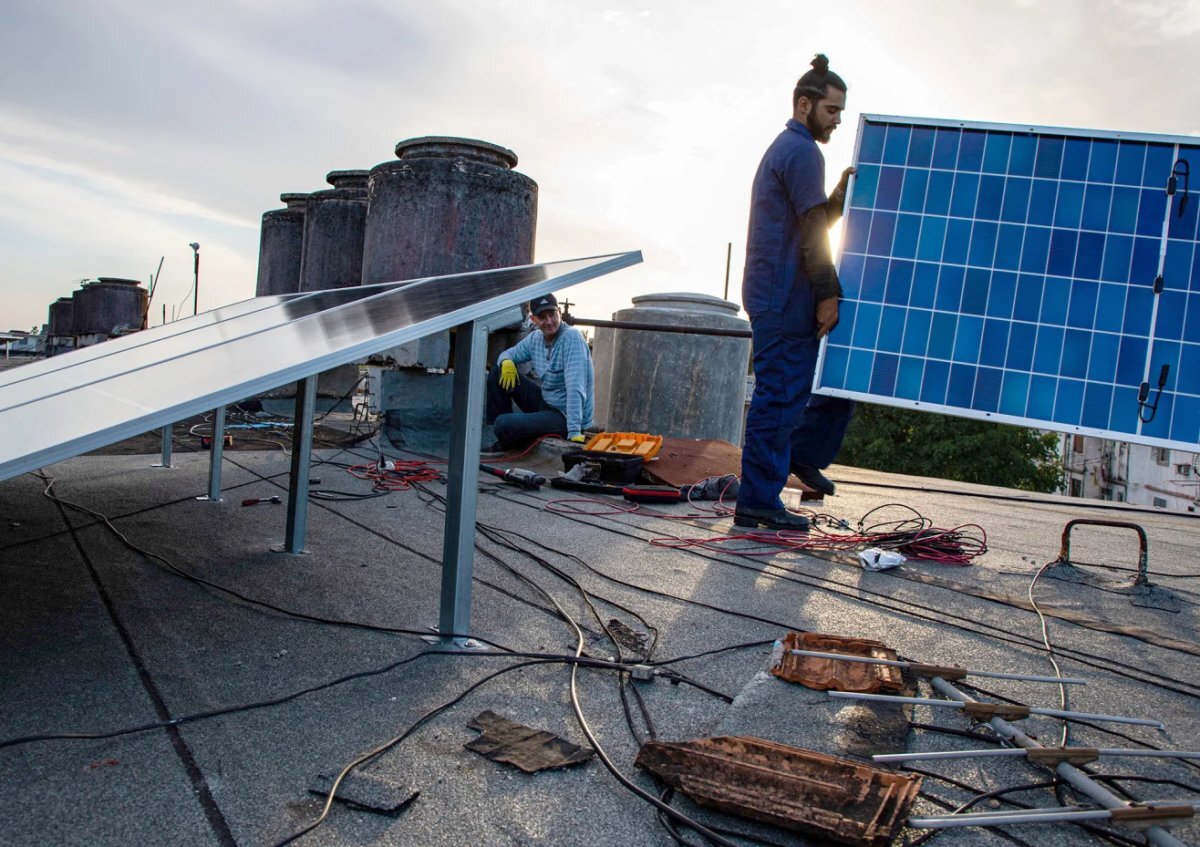
Romania has taken another step toward implementing a major renewable energy project. The construction of the large-scale Dama Solar power plant is planned in Arad County, in the western part of the country. Once operational, it could become one of the largest solar energy facilities in Europe.
The project has received the necessary approval, allowing its developers to move on to the next stage of implementation. The future power plant is expected to have substantial generating capacity and could supply electricity to up to one million people.
The implementation of Dama Solar is seen as part of Romania’s broader strategy to develop renewable energy sources and reduce its dependence on traditional power generation. The country’s authorities and energy sector are seeking to increase the production of green electricity while meeting climate and energy commitments within the European Union.
The Dama Solar project is also expected to play an important role in the regional development of Arad County. The construction of such a major energy facility could attract additional investment, create new jobs during both the construction and operational phases, and stimulate the development of related infrastructure. In addition, increased solar energy production could strengthen the region’s energy resilience and reduce dependence on electricity imports during periods of high demand.
Experts note that the development of large-scale solar projects requires not only the construction of new generating facilities but also the modernization of energy infrastructure. One of the key challenges remains expanding the capacity of power grids and developing energy storage systems capable of compensating for the intermittent nature of solar generation. The Dama Solar project is expected to become an important part of Romania’s energy transition and strengthen the country’s position in the European renewable energy market.


 Latest news
Latest news
Latest newsGeorgia’s Constitutional Court Continues Case on Banning Opposition Parties: Political Pluralism at Stake
12.Oct.2026
Azerbaijan and Iran Step Up Security Contacts Amid Hijab Protests
12.Oct.2026
Personnel Shortages Complicate Ukrainian Forces’ Rotation: Ukraine Faces Long-Term Challenges on the Front Line
11.Oct.2026
Trump Eases Sanctions on Russian Fuel After Talks with Putin: Kyiv Fears Boost to Moscow’s War Revenues
10.Oct.2026
Putin Seeks to Strengthen Russia’s Influence in the Post-Soviet Space Through the CIS
10.Oct.2026
Russia and the South Caucasus: External Pressure, Political Competition and a Crisis of Trust
10.Oct.2026
Peaceful Settlement Between Armenia and Azerbaijan: Moving from Declarations to Implementation
10.Oct.2026
Moldova Ready to Accept as Many Ukrainians as Necessary if Situation Worsens This Winter
09.Oct.2026
Turkmenistan Turns Avaza into a Regional Diplomatic Hub as Caspian, Central Asian and CIS Agendas Converge
08.Oct.2026
Romania Scrambles Spanish F-18s After Aerial Targets Detected Near Ukrainian Border
07.Oct.2026
Berlin Deepens Defence Partnership with Kyiv: Germany to Provide Ukraine with €1 Billion in Military Aid
07.Oct.2026
European Parliament Against Georgian Dream: EU Prepares New Response to Tbilisi
06.Oct.2026
Bulgarian Foreign Minister to Discuss European Security and International Law in the Netherlands
05.Oct.2026
Rheinmetall in Bulgaria: Sofia Emerges as a New NATO Defence-Industrial Hub in the Balkans
05.Oct.2026
The Cost of a Long War: Moscow Expands Spending Plans Through 2029
05.Oct.2026