
 13 Oct 2026









Mass Protests in Sofia and Other Bulgarian Cities Against the Euro Transition
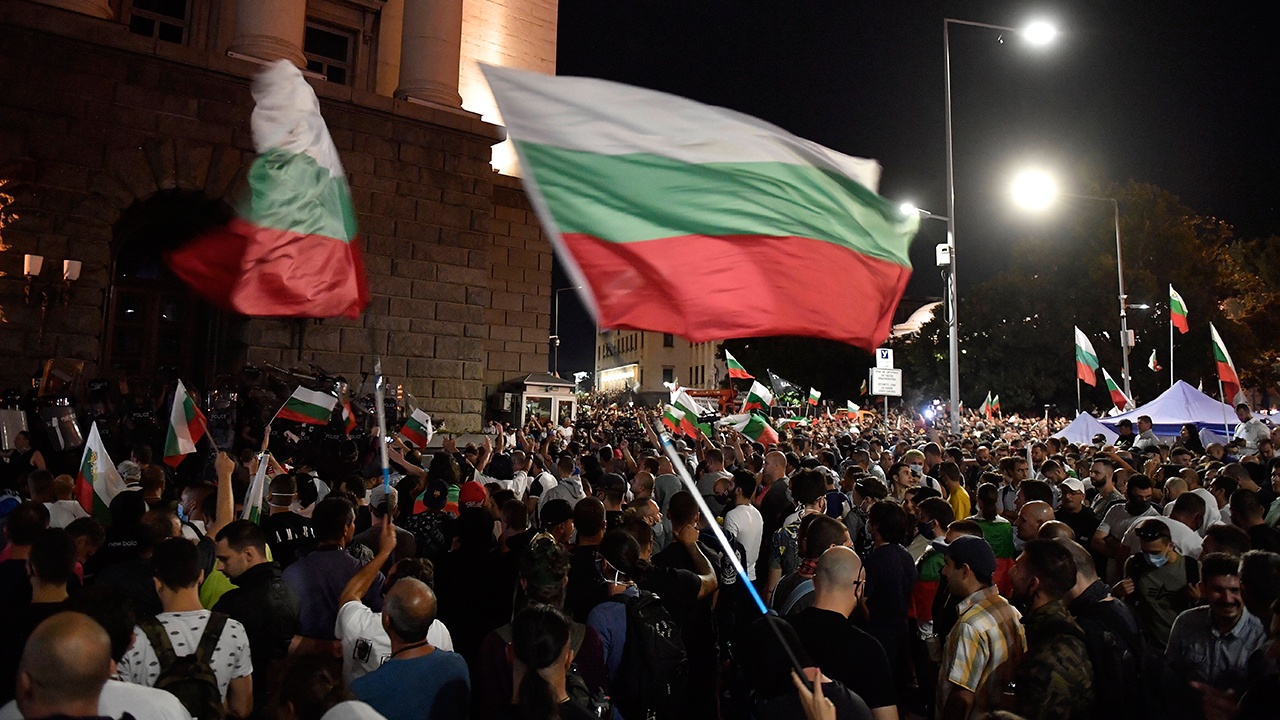
In recent days, large-scale demonstrations have taken place in Sofia, the capital of Bulgaria, as well as in several other cities across the country, against the upcoming transition to the euro, scheduled for January 1, 2026.
The protests were organized by the political party "Vazrazhdane" (Revival), which has expressed concern over a potential rise in prices and inflation following the introduction of the new currency. According to party representatives, the switch to the euro could lead to a significant increase in the cost of living, which would impact the budgets of ordinary Bulgarian families.
In addition to economic concerns, protesters also emphasize the threat to national identity and sovereignty. They believe that abandoning the national currency — the Bulgarian lev — will weaken the country’s financial independence and make it more dependent on decisions made by the European Union.
The demonstrations gathered several thousand participants who marched with slogans such as "Save the Lev!", "No to Price Hikes!", and "Bulgaria is not the Eurozone!". Protesters are urging the government to reconsider its plans for the euro transition and to hold a broad public debate on the issue.
At the same time, government and central bank officials claim that the transition to the euro will be smooth, and control measures will help avoid a sharp increase in prices and other economic risks. The Prime Minister and other officials emphasize that the euro will open new opportunities for Bulgaria’s economy, boost investment, and strengthen financial stability.
The protests have so far remained peaceful, but their scale and intensity indicate that a significant part of the public views the euro transition with great caution and concern.


 Latest news
Latest news
Latest newsGeorgia’s Constitutional Court Continues Case on Banning Opposition Parties: Political Pluralism at Stake
12.Oct.2026
Azerbaijan and Iran Step Up Security Contacts Amid Hijab Protests
12.Oct.2026
Personnel Shortages Complicate Ukrainian Forces’ Rotation: Ukraine Faces Long-Term Challenges on the Front Line
11.Oct.2026
Trump Eases Sanctions on Russian Fuel After Talks with Putin: Kyiv Fears Boost to Moscow’s War Revenues
10.Oct.2026
Putin Seeks to Strengthen Russia’s Influence in the Post-Soviet Space Through the CIS
10.Oct.2026
Russia and the South Caucasus: External Pressure, Political Competition and a Crisis of Trust
10.Oct.2026
Peaceful Settlement Between Armenia and Azerbaijan: Moving from Declarations to Implementation
10.Oct.2026
Moldova Ready to Accept as Many Ukrainians as Necessary if Situation Worsens This Winter
09.Oct.2026
Turkmenistan Turns Avaza into a Regional Diplomatic Hub as Caspian, Central Asian and CIS Agendas Converge
08.Oct.2026
Romania Scrambles Spanish F-18s After Aerial Targets Detected Near Ukrainian Border
07.Oct.2026
Berlin Deepens Defence Partnership with Kyiv: Germany to Provide Ukraine with €1 Billion in Military Aid
07.Oct.2026
European Parliament Against Georgian Dream: EU Prepares New Response to Tbilisi
06.Oct.2026
Bulgarian Foreign Minister to Discuss European Security and International Law in the Netherlands
05.Oct.2026
Rheinmetall in Bulgaria: Sofia Emerges as a New NATO Defence-Industrial Hub in the Balkans
05.Oct.2026
The Cost of a Long War: Moscow Expands Spending Plans Through 2029
05.Oct.2026