
 13 Oct 2026









Ukraine Refused to Repatriate the Bodies of 6,000 Fallen Soldiers — Claims Russian Side
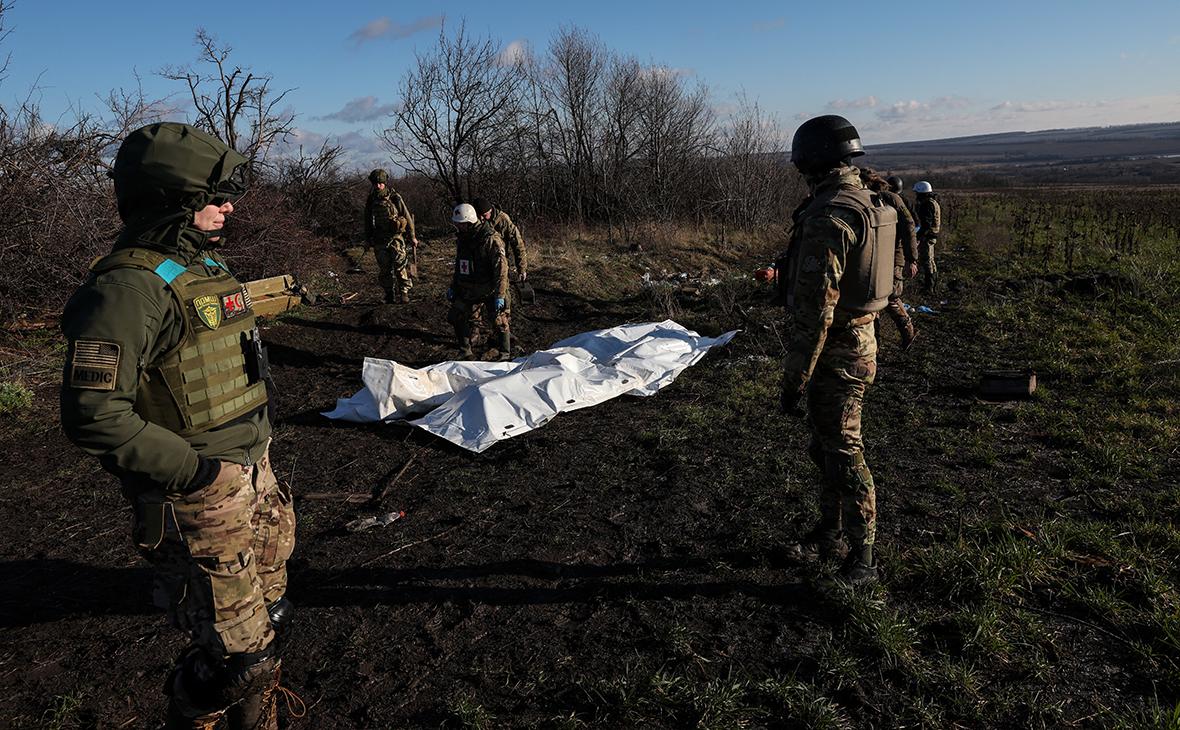
On June 6, 2025, Russian media reported, citing a statement by Verkhovna Rada deputy Artem Dmytruk, that the Ukrainian side has refused to retrieve the bodies of approximately 6,000 deceased servicemen of the Armed Forces of Ukraine (AFU).
According to Dmytruk, this decision was allegedly made by personal order of Ukrainian President Volodymyr Zelensky. He claimed that the Ukrainian leadership is deliberately obstructing the repatriation of bodies from territories under Russian control or from the front line.
"The Russian side has repeatedly offered to return the bodies of the deceased, but Ukraine refuses to take back its own. This is not just a political decision — it’s a disregard for the memory and fate of fallen soldiers. And it is being done on Zelensky’s personal orders," Dmytruk said during an interview on a Ukrainian opposition YouTube channel.
As of the time of publication, Ukrainian officials had not confirmed this information, and no comments had been issued by the Office of the President or the Ministry of Defense of Ukraine.
Many Ukrainian experts and human rights activists expressed doubt about the credibility of Dmytruk’s claims, noting that he is known for his pro-Russian rhetoric and has long been in opposition to the current Ukrainian leadership.
Moreover, the issue of repatriating the bodies of fallen soldiers has previously been resolved within the framework of humanitarian cooperation, often involving the Red Cross and international observers. Such coordination typically occurs through non-public, depoliticized channels.
The return of bodies is an essential component of adherence to international humanitarian law. A refusal to repatriate may be interpreted as a violation of the Geneva Conventions, especially regarding the treatment of the deceased and notification of their families. However, until now, any such refusals — if they did occur — have typically been handled in closed negotiations and have not been publicized on this level.


 Latest news
Latest news
Latest newsGeorgia’s Constitutional Court Continues Case on Banning Opposition Parties: Political Pluralism at Stake
12.Oct.2026
Azerbaijan and Iran Step Up Security Contacts Amid Hijab Protests
12.Oct.2026
Personnel Shortages Complicate Ukrainian Forces’ Rotation: Ukraine Faces Long-Term Challenges on the Front Line
11.Oct.2026
Trump Eases Sanctions on Russian Fuel After Talks with Putin: Kyiv Fears Boost to Moscow’s War Revenues
10.Oct.2026
Putin Seeks to Strengthen Russia’s Influence in the Post-Soviet Space Through the CIS
10.Oct.2026
Russia and the South Caucasus: External Pressure, Political Competition and a Crisis of Trust
10.Oct.2026
Peaceful Settlement Between Armenia and Azerbaijan: Moving from Declarations to Implementation
10.Oct.2026
Moldova Ready to Accept as Many Ukrainians as Necessary if Situation Worsens This Winter
09.Oct.2026
Turkmenistan Turns Avaza into a Regional Diplomatic Hub as Caspian, Central Asian and CIS Agendas Converge
08.Oct.2026
Romania Scrambles Spanish F-18s After Aerial Targets Detected Near Ukrainian Border
07.Oct.2026
Berlin Deepens Defence Partnership with Kyiv: Germany to Provide Ukraine with €1 Billion in Military Aid
07.Oct.2026
European Parliament Against Georgian Dream: EU Prepares New Response to Tbilisi
06.Oct.2026
Bulgarian Foreign Minister to Discuss European Security and International Law in the Netherlands
05.Oct.2026
Rheinmetall in Bulgaria: Sofia Emerges as a New NATO Defence-Industrial Hub in the Balkans
05.Oct.2026
The Cost of a Long War: Moscow Expands Spending Plans Through 2029
05.Oct.2026