
 13 Oct 2026









Russia Launches Largest Strike on Ukraine Since Start of War
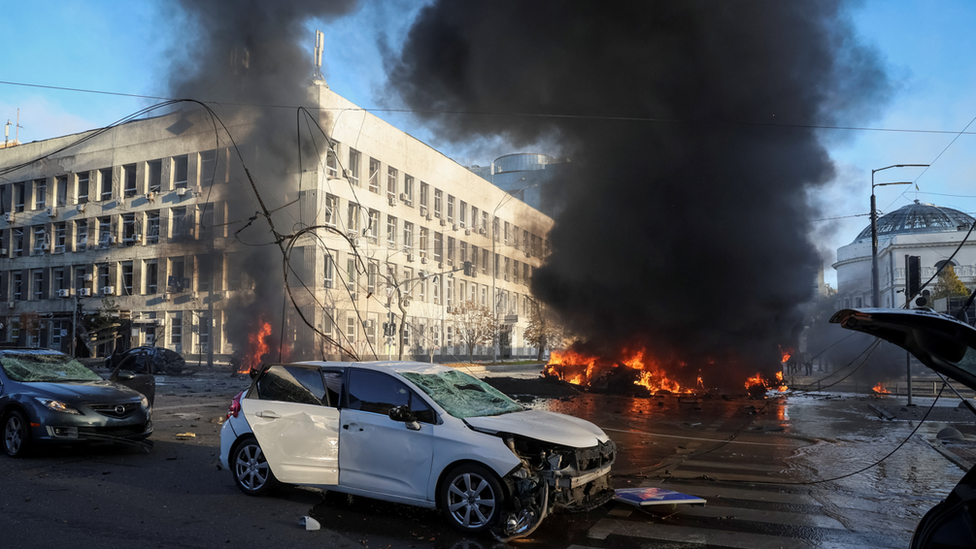
On the night of September 7, Russia carried out the largest attack on Ukraine since the beginning of the full-scale invasion. According to Reuters, more than 800 drones and several missiles were launched, striking Kyiv and a number of other major cities in the country.
For the first time during the war, the building of the Cabinet of Ministers of Ukraine — one of the key centers of state administration — was seriously damaged. A fire broke out in the building as a result of the strike.
Ukraine’s air defense repelled most of the attack: according to Ukrainian authorities, up to 751 drones and four missiles were shot down. Nevertheless, casualties could not be avoided. Two people were killed, including an infant, and more than 20 were injured.
This attack became a demonstration of the capabilities of the Russian military-industrial complex, which is ramping up the mass use of kamikaze drones. However, the effectiveness of Ukraine’s air defense remains high, with the majority of attack assets intercepted.
Analysts note that the strike on Kyiv’s government quarter is largely symbolic: Russia seeks to demonstrate its ability to reach the very “heart” of Ukrainian authority. But from a military perspective, such attacks do not change the balance of power on the front lines and instead increase international pressure on Moscow.
At the same time, strikes on civilian infrastructure and casualties among the civilian population, especially children, are likely to further strengthen Western support for Ukraine.


 Latest news
Latest news
Latest newsGeorgia’s Constitutional Court Continues Case on Banning Opposition Parties: Political Pluralism at Stake
12.Oct.2026
Azerbaijan and Iran Step Up Security Contacts Amid Hijab Protests
12.Oct.2026
Personnel Shortages Complicate Ukrainian Forces’ Rotation: Ukraine Faces Long-Term Challenges on the Front Line
11.Oct.2026
Trump Eases Sanctions on Russian Fuel After Talks with Putin: Kyiv Fears Boost to Moscow’s War Revenues
10.Oct.2026
Putin Seeks to Strengthen Russia’s Influence in the Post-Soviet Space Through the CIS
10.Oct.2026
Russia and the South Caucasus: External Pressure, Political Competition and a Crisis of Trust
10.Oct.2026
Peaceful Settlement Between Armenia and Azerbaijan: Moving from Declarations to Implementation
10.Oct.2026
Moldova Ready to Accept as Many Ukrainians as Necessary if Situation Worsens This Winter
09.Oct.2026
Turkmenistan Turns Avaza into a Regional Diplomatic Hub as Caspian, Central Asian and CIS Agendas Converge
08.Oct.2026
Romania Scrambles Spanish F-18s After Aerial Targets Detected Near Ukrainian Border
07.Oct.2026
Berlin Deepens Defence Partnership with Kyiv: Germany to Provide Ukraine with €1 Billion in Military Aid
07.Oct.2026
European Parliament Against Georgian Dream: EU Prepares New Response to Tbilisi
06.Oct.2026
Bulgarian Foreign Minister to Discuss European Security and International Law in the Netherlands
05.Oct.2026
Rheinmetall in Bulgaria: Sofia Emerges as a New NATO Defence-Industrial Hub in the Balkans
05.Oct.2026
The Cost of a Long War: Moscow Expands Spending Plans Through 2029
05.Oct.2026