
 13 Oct 2026









- demonstrates willingness to respond to corruption scandals;
- an attempt to maintain the trust of Western partners;
- a “reset” of the team in wartime conditions and ongoing
reforms.
- potential strengthening of domestic political opponents;
- the emergence of a “management vacuum” within the
President’s Office;
- more complicated communication with international allies.
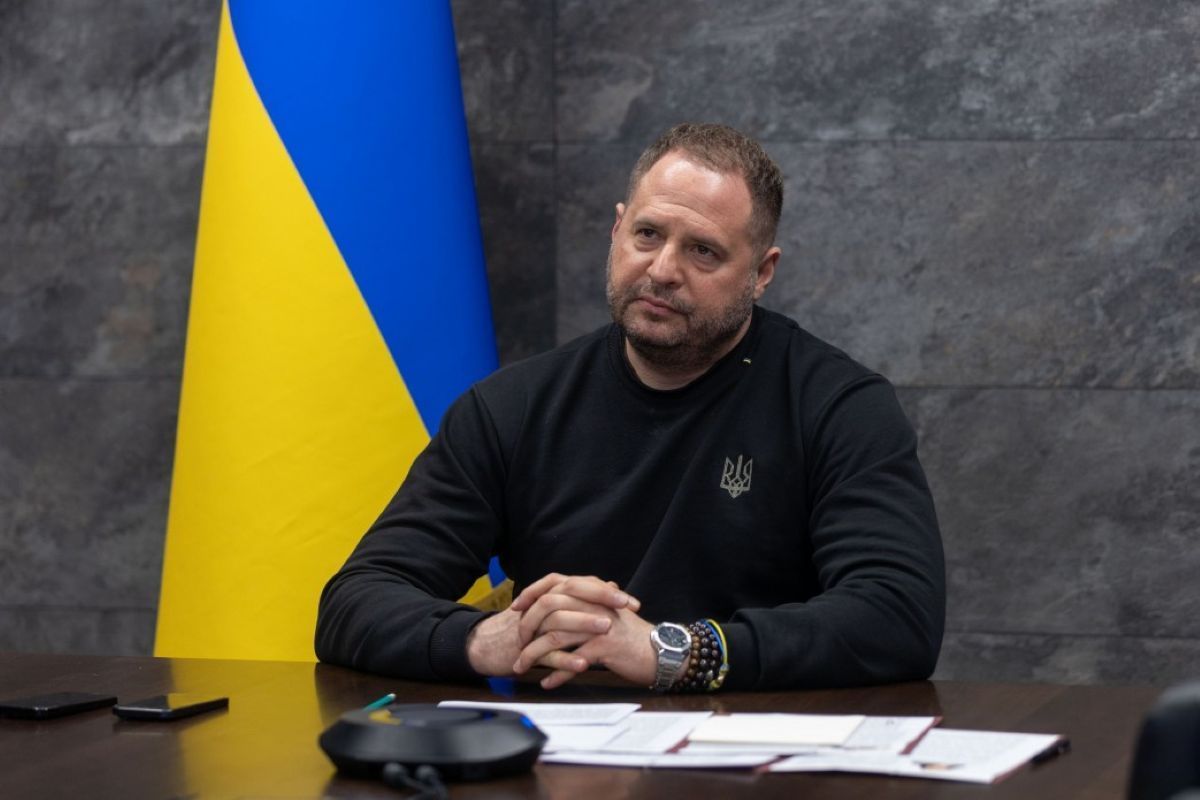
Resignation of Andriy Yermak: What Lies Behind the Dismissal of Ukraine’s Key Negotiator and How It Will Change the Political Landscape?
The
resignation of the Head of the Office of the President of Ukraine, Andriy
Yermak, has become the most high-profile political event of the autumn. The
decision, confirmed by President Volodymyr Zelensky, came amid large-scale
anti-corruption investigations that on the same day affected the highest levels
of power.
President Volodymyr Zelensky announced that Yermak
submitted his resignation and that it had been accepted. The head of state
emphasized the “patriotic work” of his closest adviser and highlighted his role
in international negotiations and shaping Ukraine’s foreign-policy agenda.
The resignation was formally submitted voluntarily, but its
timing coincided with the activation of anti-corruption bodies, which increased
attention to the political motives behind the decision.
On the same morning, NABU detectives and SAPO prosecutors
conducted searches in Yermak’s home and office. The operation was part of a
major corruption case linked to schemes in the energy sector and possible
kickbacks involving the state-owned company Energoatom.
Although Yermak has not been officially named a suspect,
the very fact that searches were conducted targeting one of the country’s top
presidential officials was a political blow. The actions of anti-corruption
authorities were unexpected for the President’s Office and intensified internal
political pressure on Zelensky.
Over the past years, Yermak served as Ukraine’s chief
negotiator in talks with the U.S. and EU on security issues, in developing
diplomatic frameworks for ending the war, and in promoting Ukraine’s “peace
formula”.
He led the Ukrainian delegation in recent negotiation
rounds with Western partners, and many diplomatic processes depended on his
political influence. His departure may temporarily destabilize negotiation
mechanisms, as he was the chief architect of Ukraine’s foreign-policy
initiatives. The resignation of the president’s closest ally carries mixed
consequences.
Positive signals:
Negative risks:
The timing of such a crisis is particularly unfavorable:
Ukraine is in the midst of implementing a complex diplomatic plan and needs
internal stability within the president's team.
For Western partners, corruption investigations are a key
indicator of government transparency. Against the backdrop of discussions over
new aid packages and strengthening Kyiv’s defense, the demonstration of
independence by NABU and SAPO may play a positive role.
However, according to political analysts, the resignation
of such a powerful official amid investigative actions raises questions about
the depth of systemic problems.
Yermak’s statement appears to be more an attempt by the government to save face, maintain the confidence of external partners during ongoing negotiations, and preserve internal legitimacy, rather than an admission of guilt. The decision will affect the internal stability of the Ukrainian government, the country’s international image, the architecture of diplomatic negotiations, and the balance of power within Zelensky’s team. Attention now turns to who will replace one of the most influential figures in Ukrainian politics in recent years – and how this will shape the country’s course during a continuing war.


 Latest news
Latest news
Latest newsGeorgia’s Constitutional Court Continues Case on Banning Opposition Parties: Political Pluralism at Stake
12.Oct.2026
Azerbaijan and Iran Step Up Security Contacts Amid Hijab Protests
12.Oct.2026
Personnel Shortages Complicate Ukrainian Forces’ Rotation: Ukraine Faces Long-Term Challenges on the Front Line
11.Oct.2026
Trump Eases Sanctions on Russian Fuel After Talks with Putin: Kyiv Fears Boost to Moscow’s War Revenues
10.Oct.2026
Putin Seeks to Strengthen Russia’s Influence in the Post-Soviet Space Through the CIS
10.Oct.2026
Russia and the South Caucasus: External Pressure, Political Competition and a Crisis of Trust
10.Oct.2026
Peaceful Settlement Between Armenia and Azerbaijan: Moving from Declarations to Implementation
10.Oct.2026
Moldova Ready to Accept as Many Ukrainians as Necessary if Situation Worsens This Winter
09.Oct.2026
Turkmenistan Turns Avaza into a Regional Diplomatic Hub as Caspian, Central Asian and CIS Agendas Converge
08.Oct.2026
Romania Scrambles Spanish F-18s After Aerial Targets Detected Near Ukrainian Border
07.Oct.2026
Berlin Deepens Defence Partnership with Kyiv: Germany to Provide Ukraine with €1 Billion in Military Aid
07.Oct.2026
European Parliament Against Georgian Dream: EU Prepares New Response to Tbilisi
06.Oct.2026
Bulgarian Foreign Minister to Discuss European Security and International Law in the Netherlands
05.Oct.2026
Rheinmetall in Bulgaria: Sofia Emerges as a New NATO Defence-Industrial Hub in the Balkans
05.Oct.2026
The Cost of a Long War: Moscow Expands Spending Plans Through 2029
05.Oct.2026