
 20 Sep 2026









Joe Biden delivers remarks on Russia
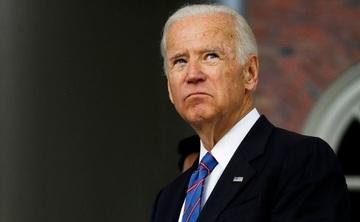
U.S. President Joe Biden delivered remarks on the U.S. policy towards Russia in the White House on Thursday.
In the first place, he has characterized his recent conversation with Russian leader Vladimir Putin as "candid and respectful."
"Earlier this week, I spoke with President Putin of Russia about the nature of our relationship — the relationship between our two countries. And I was candid and respectful; the conversation was candid and respectful," the U.S. leader said.
Biden stressed that Russia and the U.S. are two great powers with significant responsibility for global stability. "And President Putin and I have had a significant responsibility to steward that relationship. I take that responsibility very seriously, as I’m sure he does," the U.S. president said.
The United States is not intending to kick off more tensions in the relations with Russia, however, it stands ready to impose more sanctions against Moscow, U.S. President added.
"The United States is not looking to kick off a cycle of escalation and conflict with Russia. We want a stable and predictable relationship. If Russia continues to interfere with our democracy, I am prepared to take more action to respond," he noted.
Speaking about the anti-Russian sanctions imposed Thursday, the White House occupant underlined, "I was clear with President Putin that we could have gone further. But I chose not to do so, I chose to be proportionate.
Biden has also called on his Russian counterpart Vladimir Putin to respond proportionately to the newest package of sanctions imposed by Washington against Moscow. "I urged him to respond appropriately and not to exceed it because we can move as well," Biden acknowledged when speaking about his recent phone call with Putin and the latest sanctions.
At the same time, the U.S. leader in fact voiced hope that Moscow and Washington can be able to leave this episode behind after exchanging restrictions and will make an attempt to stabilize the bilateral relations. "My hope and expectation is we will be able to work out a modus vivendi. But it’s important that we have direct talks and we continue to be in contact," the president stressed.
Biden said that the U.S. administration is still reviewing possibly introducing sanctions against Nord Stream 2, however, it also recognizes that it is a complicated issue and concedes that it affects interests of Washington’s allies in Europe.
"Russia and Americans are both proud and patriotic people. And I believe the Russian people, like the American people, are invested in peaceful and a secure future of our world.," he pointed out. According to him, Russia and the U.S. can address critical global challenges that require them to work together, including reining in nuclear threats from Iran and North Korea, ending this pandemic globally, and meeting the existential crisis of climate change.
"Nord Stream 2 is a complicated issue affecting our allies in Europe," he said. At the same time, he recalled that he had been "opposed to Nord Stream 2 for a long time." "But that’s still an issue that is in play," he added.
Biden has revealed that he suggested holding a meeting this summer in Europe to his Russian counterpart.
"When I spoke to President Putin, I expressed my belief that communication between the two of us personally and directly was to be essential in moving forward to a more effective relationship. He agreed on that point," he said. "To that end, I proposed that we meet in person this summer in Europe for a summit to address a range of issues facing both of our countries."
According to him, "our teams are discussing this possibility right now." The White House occupant also proposed launching a dialogue on issues of strategic stability in the framework of the possible highest-level meeting with Russia.
"And if that summit were to occur and I believe it will, the United States and Russia could launch a strategic stability dialogue to pursue cooperation in arms control and security," he stressed. "We can address critical global challenges that require Russia and the United States to work together, including reining in nuclear threats from Iran and North Korea, ending this pandemic globally and meeting the existential crisis of climate change."


 Latest news
Latest news
Latest newsUS Sanctions Target Russias Main Pillar as Moscow Faces New Pressure on Oil Revenues
19.Sep.2026
Russia Begins State Duma Elections Amid War in Ukraine
18.Sep.2026
Bulgaria Strengthens Protection of Strategic Infrastructure Against Drones and Other Threats
18.Sep.2026
Georgia and Enka: How the Namakhvani Dispute Could Affect the Investment Climate
17.Sep.2026
Una Aleksandra Bērziņa-Čerenkova: After Russia’s Invasion, Latvia Began Banning Russian-Language Media
17.Sep.2026
Rainer Saks: Russia сould lose its influence in Armenia, just as it did in the Baltics
16.Sep.2026
Russian Drones Violated Moldovan Airspace Twice During Zelenskys Trips
16.Sep.2026
Operation Vivaldi: Ukraine Reports Advances Near Lyman as Fighting Intensifies
16.Sep.2026
Kazakhstan and South Korea Elevate Ties to Comprehensive Strategic Partnership
16.Sep.2026
Armenia Energy Diversification: Testing the Limits of Dependence on Russian Gas
15.Sep.2026
Tbilisi Distances Itself from Brussels as Kobakhidze Intensifies Criticism of European Policy
14.Sep.2026
Russia Fuel Crisis Gives the US a New Diplomatic Leverage Tool
14.Sep.2026
Trump Calls on Zelenskyy to Stop Strikes on Russian Oil Infrastructure
13.Sep.2026
Ukraine Expands Pressure on Russia’s Shadow Fleet: Moscow’s Oil Logistics Under Threat
13.Sep.2026
The Riga Conference: Europe Prepares for Long-Term Confrontation with Russia and Reshapes Its Security Architecture
12.Sep.2026