
 14 Jul 2026









- Attrition of air defenses. Mass
drone launches are often used to overload air defense systems in order to
increase the likelihood that more expensive and destructive missiles will
penetrate them.
- Strikes on energy infrastructure as a long-term
strategy. Damaging energy facilities is intended to
produce not only a tactical effect but also a strategic one: economic slowdown,
social tension, and rising reconstruction costs.
- Psychological impact.
Attacks on residential neighborhoods heighten the atmosphere of instability and
uncertainty, particularly in the context of a protracted conflict.
Russia’s Large-Scale Air Assault as an Element of Its Pressure Strategy
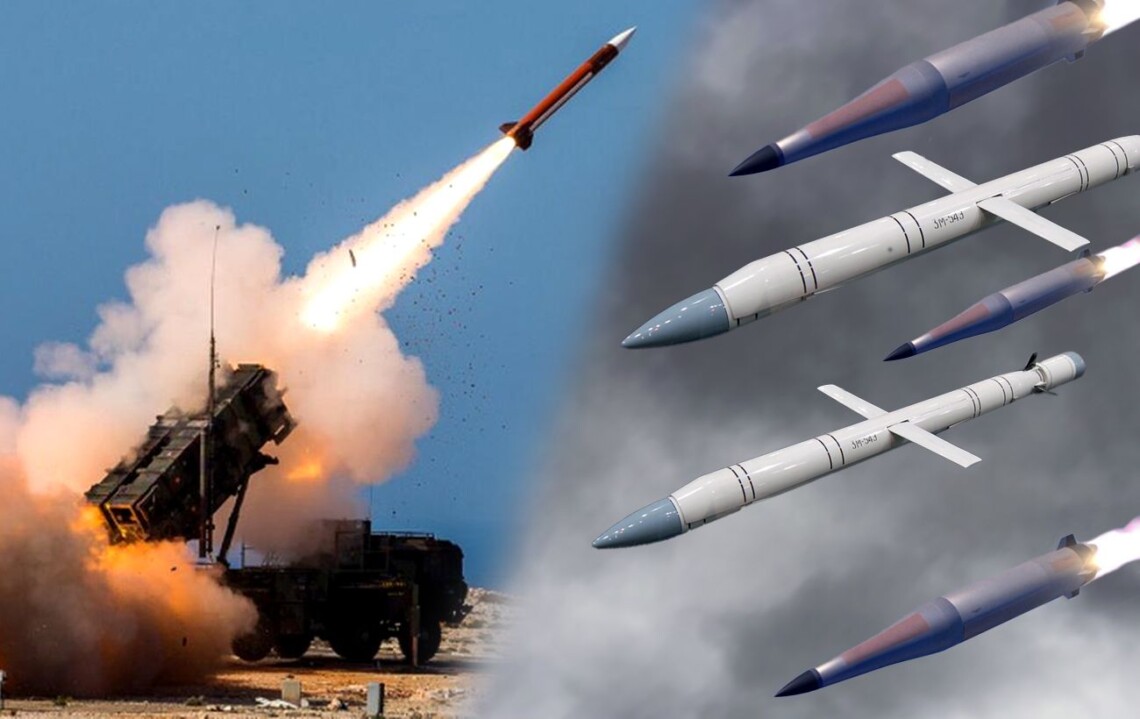
Another major air assault by
Russia against the territory of Ukraine indicates the continuation — and
possibly the intensification — of a strategy of systematic pressure on the
country’s rear infrastructure. According to the Ukrainian side, approximately
420 drones and 39 missiles, including ballistic missiles, were launched. The
strikes targeted energy facilities and residential areas across eight regions.
Such a
scale of aerial deployment points to several important trends:
Reports
of explosions in cities such as Kharkiv, Kyiv, Poltava, and Zaporizhzhia
demonstrate the broad geographic scope of the strikes — from the capital to
frontline and central regions. This underscores that the operation is not
localized but part of a comprehensive campaign.

Political Signaling and
the Air Defense Issue
Amid
the attacks, Ukrainian President Volodymyr Zelenskyy once again appealed to
Western partners to strengthen the country’s air defense capabilities. This
appeal carries not only military but also diplomatic significance.
First,
it reinforces Kyiv’s argument for additional deliveries of modern air defense
systems and interceptor missiles. Second, it signals to allies that the
intensity of Russian strikes has not diminished and that support therefore
cannot be reduced without strategic consequences.
In a
prolonged conflict, air defense resources become a critical factor in national
resilience. Every intercepted missile means a saved energy facility or
residential building. However, interceptor missiles often cost significantly
more than attack drones, creating a long-term economic imbalance.
Military-Strategic Context
Large-scale
combined attacks — involving drones as well as cruise and ballistic missiles —
demonstrate tactical adaptation. Russia shows the ability to accumulate and coordinate
substantial strike capabilities despite ongoing sanctions pressure.
On the
Ukrainian side, key priorities include increasing the density of air defense
coverage around critical infrastructure, developing mobile fire groups to
counter drones, and minimizing the consequences of strikes through rapid repair
logistics.
Such
attacks may also be timed to coincide with diplomatic events or negotiations,
thereby strengthening a bargaining position through military pressure.
Economic and Social Dimensions
Damage
to the energy sector directly affects industrial production, transportation
stability, the heating season, and household consumption. Even with rapid
restoration, the burden on the state budget increases, reinforcing Ukraine’s
dependence on external financial assistance and international credit lines.
The
social dimension is equally significant: civilian casualties, including those
involving children, amplify international attention and provide Kyiv with
additional moral and political leverage in dialogue with Western partners.
It is highly likely that the intensity of air attacks will persist in the medium term, and Ukraine will continue seeking expanded air defense supplies. Meanwhile, the aerial confrontation is expected to become increasingly technological, characterized by mass drone deployment, electronic warfare, and missile modernization. If partners accelerate the transfer of additional air defense systems and ammunition, the effectiveness of Russia’s mass strikes may decline. Otherwise, energy infrastructure will remain one of Ukraine’s principal vulnerabilities.


 Latest news
Latest news
Latest newsUS Ready to Lift Sanctions on Turkiye and Restore Its Participation in the F-35 Program
09.Jul.2026
Trump Announces Transfer of License to Ukraine for Patriot Interceptor Missile Production
09.Jul.2026
The NATO Summit in Ankara Marked a New Stage in the Alliance's Transformation
08.Jul.2026
The war in Ukraine - the “liberation of Novorossiya” is a mission impossible
07.Jul.2026
Ursula von der Leyen's Visits to Baku and Yerevan Signal Brussels' New Strategy
07.Jul.2026
Putin's Approval Ratings Decline as Russians Grow Increasingly Concerned About the Economy and the War
06.Jul.2026
Erdogan and Radev Discuss Black Sea Security and Defense Cooperation
06.Jul.2026
OPEC+ Accelerates Output Recovery as Kazakhstan Increases Oil Production from August
05.Jul.2026
Georgia and Uzbekistan Elevate Relations to Strategic Partnership
05.Jul.2026
Iran Turns Khamenei Funeral into a Show of Strength as Week-Long National Mourning Begins
04.Jul.2026