
 14 Jul 2026









Oil prices set to climb on rumors that the Fed will stop hiking interest rates
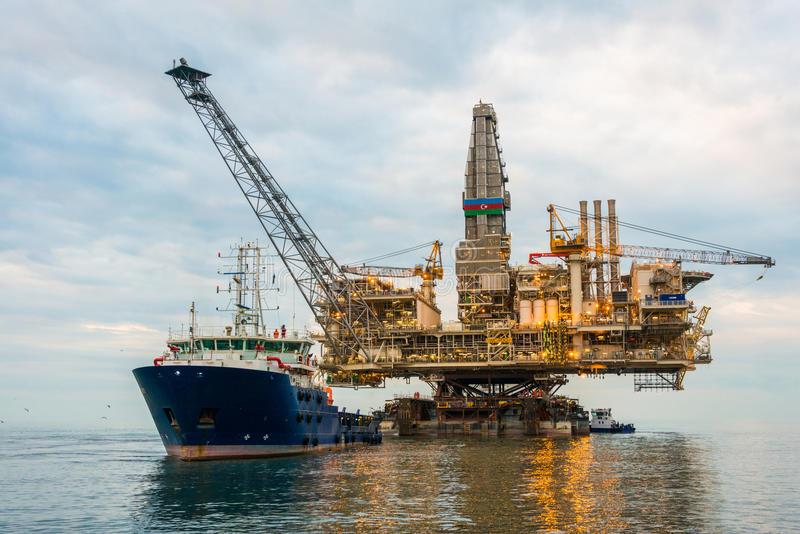
Traders expect the Fed to end its rate-hike policy as soon as March, as economic indicators suggest inflation is slowing down. Oil prices climbed last week on the positive economic data coming out of the United States, but this week, weaker increase in oil prices is expected.
However, experts think that a rebound in oil demand in China and growing geopolitical risks in the Middle East could lend additional upward potential to oil prices, Oil Price writes.
Decline in interest rates
Traders expect the Federal Reserve to end its rate hikes in two months, which could push oil prices higher due to the generally inverse relationship between rates and oil prices. According to a Reuters report, the Fed might end its rate-hike policy as soon as March, as economic indicators suggest inflation is slowing down and getting under control. What’s more, the Fed is set to announce another hike in benchmark rates this week but it may be lower than previous ones, at 25 basis points.
What affects oil prices
Oil prices climbed last week on the positive economic data coming out of the United States, although Treasury Secretary Janet Yellen has warned that there was still a danger of recession. Coupled with expectations for a rebound in oil demand in China, a lower rate hike and any other indication that the Fed may be preparing for a wind-down of its aggressive inflation control measures could lend additional upward potential to oil prices. There has also been added support for prices from the reported drone attacks on targets in Iran, suggesting a possible escalation in Middle Eastern tensions. The reports pushed oil prices higher in morning trade in Asia today, although prices have since fallen back. Some stability could come from the OPEC+ meeting this week as there are no expectations of any tweaks to the current policy of the extended cartel, with many members still unable to fulfill their production quotas even with their reduction last year.
News from China
China remains the biggest bullish factor for oil prices, however, especially after the government in Beijing said over the weekend it would aim to stimulate consumption as a means of boosting economic growth after the lockdowns. Uncertainty remains, however. “We have Russia on the supply side and China on the demand side. Both can swing by more than 1 million barrels per day above or below expectation,” one investment manager told CNBC. “China seems to have surprised the market in terms of how fast they are coming out of zero Covid while Russia has surprised in terms of resilience of export volume despite the sanctions,” Stefano Grasso said.
As Vestnik Kavkaza previously reported, some analysts expect the oil market to swing into a deficit yet again, adding more upside risk for prices. Last year saw some quite significant swings in oil prices, mostly driven by geopolitical events. This year appears to signal calmer waters for the world’s most traded commodities.


 Latest news
Latest news
Latest newsUS Ready to Lift Sanctions on Turkiye and Restore Its Participation in the F-35 Program
09.Jul.2026
Trump Announces Transfer of License to Ukraine for Patriot Interceptor Missile Production
09.Jul.2026
The NATO Summit in Ankara Marked a New Stage in the Alliance's Transformation
08.Jul.2026
The war in Ukraine - the “liberation of Novorossiya” is a mission impossible
07.Jul.2026
Ursula von der Leyen's Visits to Baku and Yerevan Signal Brussels' New Strategy
07.Jul.2026
Putin's Approval Ratings Decline as Russians Grow Increasingly Concerned About the Economy and the War
06.Jul.2026
Erdogan and Radev Discuss Black Sea Security and Defense Cooperation
06.Jul.2026
OPEC+ Accelerates Output Recovery as Kazakhstan Increases Oil Production from August
05.Jul.2026
Georgia and Uzbekistan Elevate Relations to Strategic Partnership
05.Jul.2026
Iran Turns Khamenei Funeral into a Show of Strength as Week-Long National Mourning Begins
04.Jul.2026