
 24 Jun 2026









Sanctions Against Georgian Dream: The West Increases Pressure on Georgia’s Ruling Party
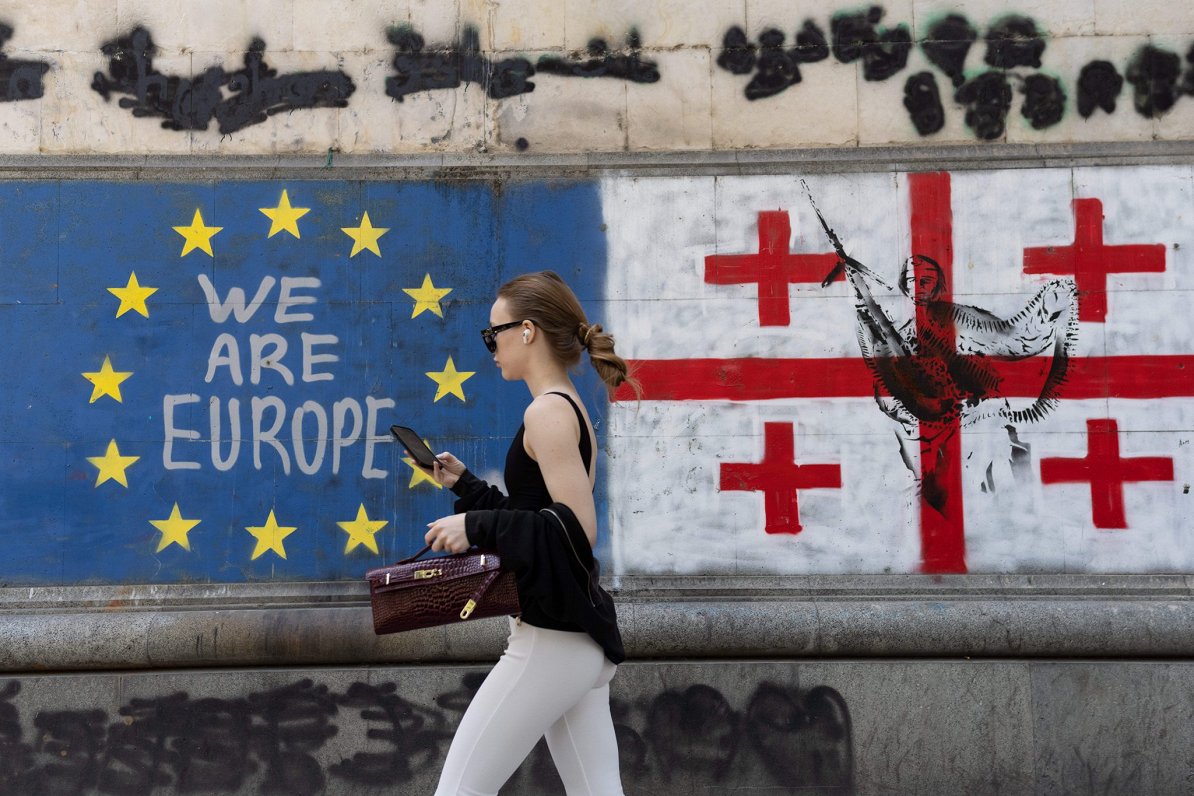
The ruling party Georgian
Dream has found itself at the center of an international scandal, as nine Western countries – including the
United States, United Kingdom, Germany,
Canada, Lithuania, and other European allies – have imposed sanctions on over 230 party members,
including lawmakers, government officials, and affiliated businessmen.
According to diplomatic sources, 138 names have already been made public, while the rest of the
list remains classified. As U.S. State Department officials stated, “this is only the beginning of a systematic
effort to protect democratic processes in Georgia”.
The sanctions include visa restrictions, asset freezes abroad, and bans on financial operations in the EU
and the U.S.
Against this backdrop, Georgian Dream has officially
nominated Tbilisi Mayor Kakha Kaladze
as its candidate for the upcoming municipal
elections scheduled for October 2025. Kaladze, a former captain of
Georgia’s national football team and former Minister of Energy, is considered
one of the most recognizable politicians in the country and a potential
successor to Prime Minister Irakli Garibashvili.
These sanctions are not just a reaction to the “foreign influence transparency law”, which triggered mass protests in the spring of 2025. They are a strategic signal that the West no longer considers Georgian Dream a reliable partner on the path to Euro-Atlantic integration. Particularly harsh rhetoric has come from the U.S. and the U.K., which have described the party’s actions as a “systematic dismantling of democratic institutions and civil society”.
“If the regime continues down the authoritarian path, sanctions will be expanded – even to the economic level”, a German Foreign Ministry representative warned.
The nomination of Kakha Kaladze is seen as an attempt to save face and maintain
control over key political areas – especially Tbilisi, where opposition
sentiment has been growing. Kaladze enjoys strong name recognition and a loyal
base, but he is also closely associated
with a now-sanctioned party, which could affect the election outcome.
“Kaladze is not a crisis-management figure – he is the symbol of the party. His candidacy strengthens internal consolidation but does not resolve external diplomatic isolation”, said political analyst Tinatin Khidasheli.
For the first time since 2012, Georgian Dream is entering an
election season under international
sanctions, amid deteriorating relations with the EU and U.S., a growing
split within the political elite, increasing street protests and widespread
public distrust.
At the same time, alternative
authoritarian alliances are strengthening, including ties with Russia, China, and Iran. This creates
a new axis of geopolitical tension,
further distancing Georgia from European integration.
The sanctions against Georgian Dream mark a key stage in the international community’s pressure on Georgia’s government. While Kaladze’s nomination may rally the loyal electorate, it is unlikely to convince opposition-minded citizens or international partners. The political cost for Tbilisi will depend on the party’s next steps: repealing controversial laws, releasing political prisoners, and returning to a pro-European course could help deescalate the crisis.


 Latest news
Latest news
Latest newsUkraine’s Battlefield Experience Opens New Opportunities in Asia’s Drone Market
19.Jun.2026
Azerbaijan’s Oil Trap: Why the Economy Is Standing Still
18.Jun.2026
Motorcycle Noise Seen as Obstacle to Air Defense Operations in Crimea
17.Jun.2026
Rising Wages and Euro Integration: Bulgaria Enters a New Economic Era
17.Jun.2026
Armenia After June 7: Pashinyan Remains in Power, Moscow Unhappy
17.Jun.2026
$300 Billion Deal: Iran Poised to Receive the Largest Investment Package in Modern Middle Eastern History
16.Jun.2026
Infrastructure Pressure: Putin Acknowledges the Economic Impact of Ukrainian Attacks
15.Jun.2026
Kyiv and Moscow Trade Blame After Damage Reported at Kyiv Pechersk Lavra
15.Jun.2026
IMF Raises Georgia’s Economic Growth Forecast to 6.5% for 2026
15.Jun.2026
EU Opens the Door to Ukraine and Moldova as First Membership Talks Begin
14.Jun.2026