
 20 Sep 2026









Trump, Aliyev, and Pashinyan Hold Historic Meeting: U.S. Returns to the Caucasus
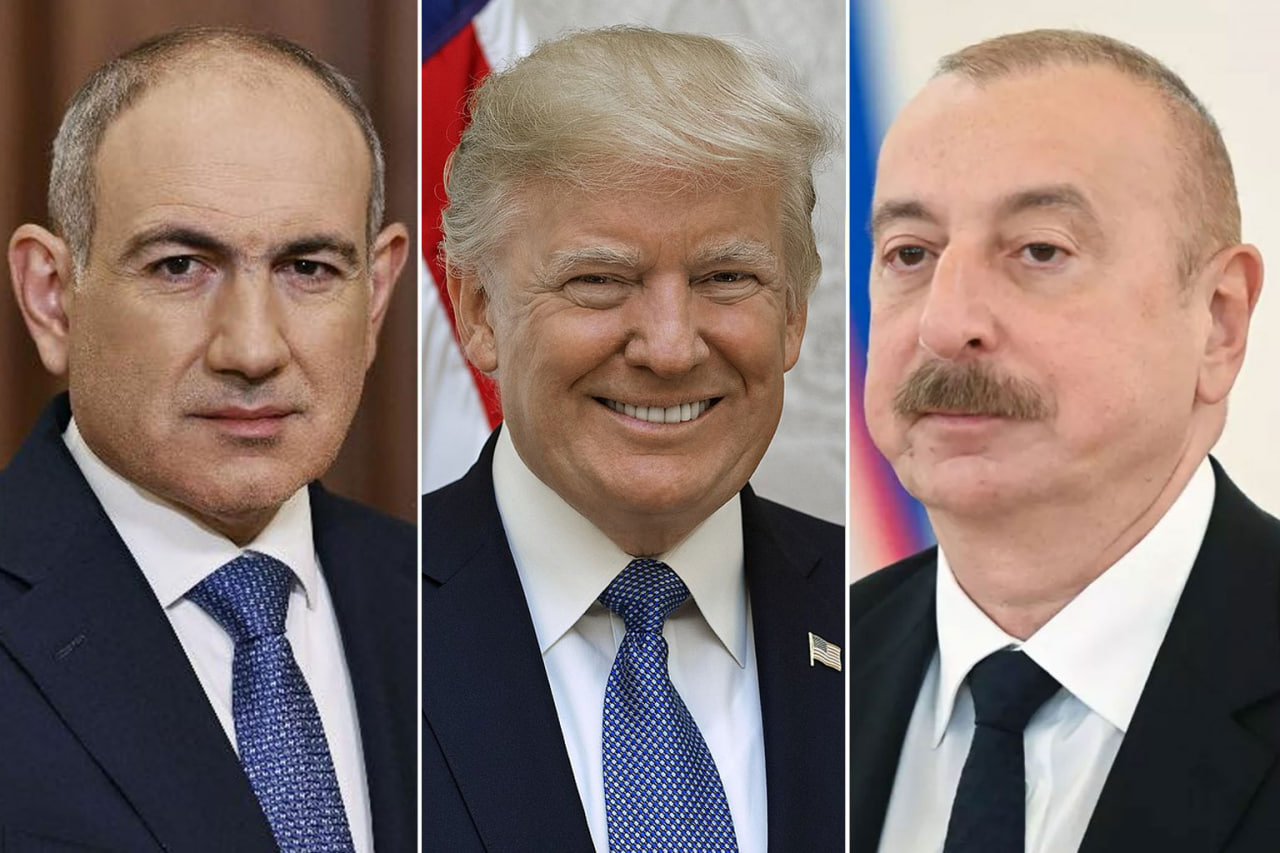
A
historic trilateral meeting took place at the White House between U.S.
President Donald Trump, Azerbaijani President Ilham Aliyev, and Armenian Prime
Minister Nikol Pashinyan. Following the negotiations, the parties signed the Washington Memorandum of Understanding,
aimed at ending the long-standing Armenian-Azerbaijani conflict and launching a
new phase in the development of the South Caucasus.
The
memorandum outlines key commitments: the official demarcation of borders between Armenia and Azerbaijan, the opening of a strategic transport corridor
between Azerbaijan and Nakhchivan, a mutual
renunciation of force, and an increase in diplomatic engagement. In
addition, an international monitoring
group was established, including representatives from the U.S., EU, and
other countries, to oversee the implementation of the agreements.
After several years of relative inaction, the United States is returning to the politics of the Caucasus – not as a bystander, but as a direct guarantor of the diplomatic process. President Trump not only initiated the meeting but also publicly declared a “new era of stability and prosperity in the region”, highlighting America’s interest in economic integration and the security of the South Caucasus.
At
the heart of the agreement are infrastructure
projects, including the construction of transport and energy corridors
with participation from American companies. This fosters mutual economic interdependence, which
could form a solid foundation for sustainable peace between Baku and Yerevan.
The
fact that the negotiations took place in Washington, not Moscow, symbolizes a shift in the center of influence in the Caucasus. This may alter
the balance of power in a region previously dominated by Russia with support
from Iran. Now, Armenia and Azerbaijan are presented with a new strategic direction – toward the West, opening up new
opportunities but also introducing new challenges.
Despite
the positive momentum, several critical issues remain unresolved: the status of Karabakh, the security of ethnic Armenians in
territories returned to Azerbaijan, and humanitarian
concerns such as the return of refugees and the demilitarization
process.
President Trump emphasized that the United States is “ready to act as a guarantor of peace and to ensure that the agreements
are fulfilled in the interests of the entire region”.
This historic meeting between Trump, Aliyev, and Pashinyan may mark the beginning of a new architecture of peace in the South Caucasus. The United States is presenting itself not as an abstract partner, but as a guarantor of peace, development, and security. For the South Caucasus, this is a chance – after a long history of conflict – to step toward stability and growth.


 Latest news
Latest news
Latest newsUS Sanctions Target Russias Main Pillar as Moscow Faces New Pressure on Oil Revenues
19.Sep.2026
Russia Begins State Duma Elections Amid War in Ukraine
18.Sep.2026
Bulgaria Strengthens Protection of Strategic Infrastructure Against Drones and Other Threats
18.Sep.2026
Georgia and Enka: How the Namakhvani Dispute Could Affect the Investment Climate
17.Sep.2026
Una Aleksandra Bērziņa-Čerenkova: After Russia’s Invasion, Latvia Began Banning Russian-Language Media
17.Sep.2026
Rainer Saks: Russia сould lose its influence in Armenia, just as it did in the Baltics
16.Sep.2026
Russian Drones Violated Moldovan Airspace Twice During Zelenskys Trips
16.Sep.2026
Operation Vivaldi: Ukraine Reports Advances Near Lyman as Fighting Intensifies
16.Sep.2026
Kazakhstan and South Korea Elevate Ties to Comprehensive Strategic Partnership
16.Sep.2026
Armenia Energy Diversification: Testing the Limits of Dependence on Russian Gas
15.Sep.2026
Tbilisi Distances Itself from Brussels as Kobakhidze Intensifies Criticism of European Policy
14.Sep.2026
Russia Fuel Crisis Gives the US a New Diplomatic Leverage Tool
14.Sep.2026
Trump Calls on Zelenskyy to Stop Strikes on Russian Oil Infrastructure
13.Sep.2026
Ukraine Expands Pressure on Russia’s Shadow Fleet: Moscow’s Oil Logistics Under Threat
13.Sep.2026
The Riga Conference: Europe Prepares for Long-Term Confrontation with Russia and Reshapes Its Security Architecture
12.Sep.2026