
 14 Jul 2026









Modi and Zelensky Discuss Peaceful Settlement: India Hopes to Raise the Ukraine Issue at the SCO Summit
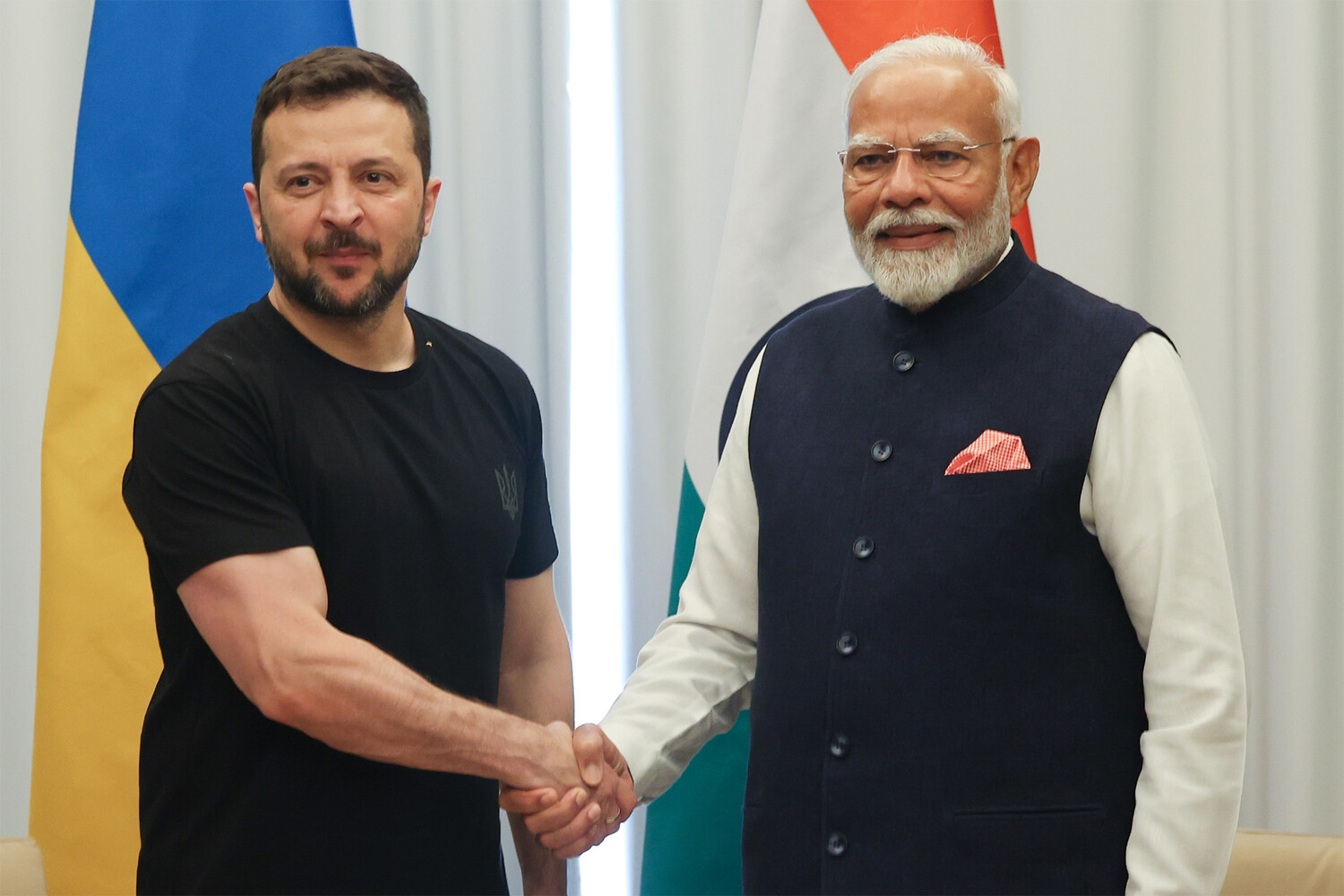
Indian Prime Minister Narendra Modi held a phone conversation with Ukrainian President Volodymyr Zelensky, during which he expressed firm support for a peaceful settlement of the war. The Indian leader emphasized the need to end hostilities and find a diplomatic solution.
According to Modi, the conflict in Europe has an impact far beyond the region, affecting global food and energy security. He noted that New Delhi intends to continue contacts with both sides and is ready to assist in finding a formula for peace. The Indian Prime Minister also expressed hope that the issue of Ukraine will be brought up at the upcoming SCO summit in Tianjin (China), where leaders of Russia, China, Turkey, Pakistan, and other member states will gather.
Based on this, it can be concluded that Modi is actively positioning India as a neutral yet influential player capable of acting as a mediator between Moscow and Kyiv. For New Delhi, this is an opportunity to strengthen its image as a global power, independent of the West while remaining open to dialogue with both Russia and the United States.
In addition, India traditionally maintains close economic ties with Russia (especially in energy and defense cooperation) while simultaneously developing relations with the West. The call for peace allows Delhi to maintain balance and avoid pressure from either side. If Ukraine becomes a separate topic at the SCO summit, it will be an important precedent: an organization originally created as a regional security format in Asia will for the first time seriously address a European crisis. This will allow China and India to show that they are ready to propose alternatives to Western settlement formats.
For Moscow, the Indian initiative may be beneficial: it eases international isolation and demonstrates that negotiations are possible not only under the auspices of the US or the EU. For Kyiv, India’s participation gives a chance to draw attention to its positions on a platform traditionally dominated by Moscow and Beijing.
Thus, India is effectively presenting itself as a potential mediator at the global level. However, New Delhi’s real influence on the course of the war is limited: everything will depend on the willingness of Russia and Ukraine to compromise and on how much China supports the Indian initiative at the SCO summit.


 Latest news
Latest news
Latest newsUS Ready to Lift Sanctions on Turkiye and Restore Its Participation in the F-35 Program
09.Jul.2026
Trump Announces Transfer of License to Ukraine for Patriot Interceptor Missile Production
09.Jul.2026
The NATO Summit in Ankara Marked a New Stage in the Alliance's Transformation
08.Jul.2026
The war in Ukraine - the “liberation of Novorossiya” is a mission impossible
07.Jul.2026
Ursula von der Leyen's Visits to Baku and Yerevan Signal Brussels' New Strategy
07.Jul.2026
Putin's Approval Ratings Decline as Russians Grow Increasingly Concerned About the Economy and the War
06.Jul.2026
Erdogan and Radev Discuss Black Sea Security and Defense Cooperation
06.Jul.2026
OPEC+ Accelerates Output Recovery as Kazakhstan Increases Oil Production from August
05.Jul.2026
Georgia and Uzbekistan Elevate Relations to Strategic Partnership
05.Jul.2026
Iran Turns Khamenei Funeral into a Show of Strength as Week-Long National Mourning Begins
04.Jul.2026