
 14 Jul 2026









Moldova on the Eve of Elections: Democracy Under the Gun of “Hybrid Warfare”
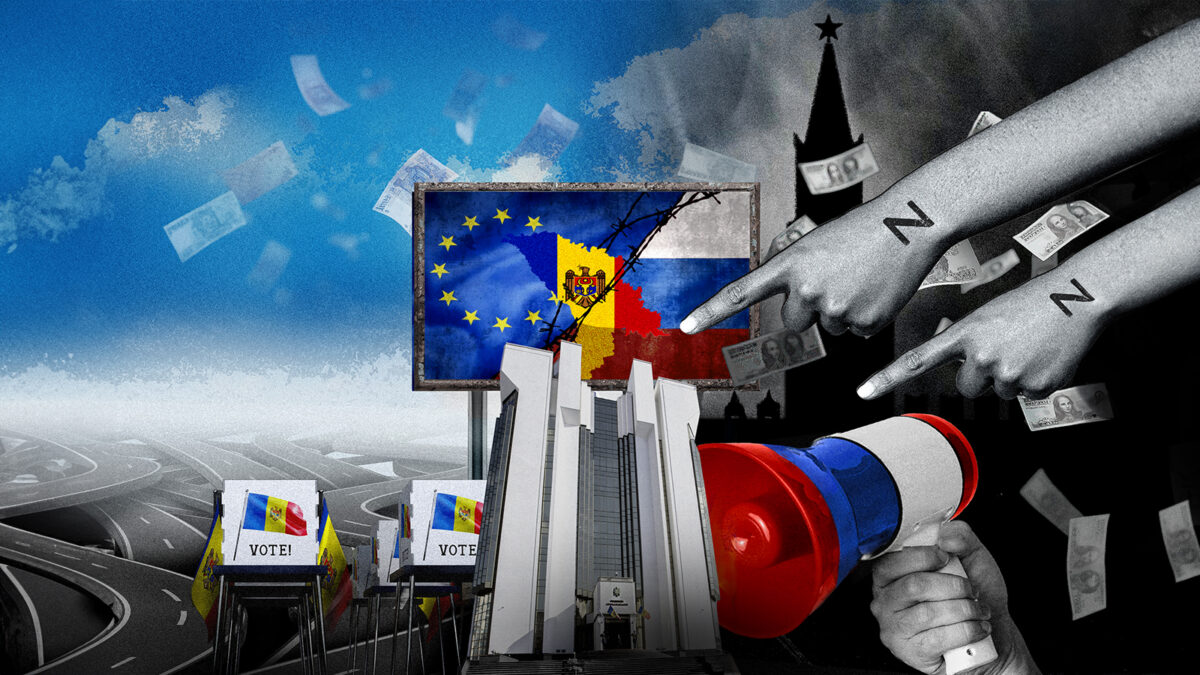
On September 28, 2025, parliamentary elections will be held in Moldova, already being called key to the country’s future. The stakes in these elections go far beyond domestic politics: this is a choice between continuing the European course or returning under Russia’s strong influence.
Two main forces are clashing on the political field today:
- The ruling Action and Solidarity Party (PAS), led by President Maia Sandu, symbolizes the course toward integration with the European Union and the strengthening of democratic institutions;
- Opposition parties – mostly oriented toward Moscow, promising “traditional values” and “stability,” but in fact advocating the preservation of Moldova’s dependence on Russia in energy, the economy, and security.
Parliament Speaker Igor Grosu rightly emphasized that these elections “will be defining for the history of the country”. Indeed, the outcome could cement Moldova’s final break with the post-Soviet past – or, conversely, return it to the Kremlin’s orbit.
Ahead of the elections, President Maia Sandu openly accused Russia of attempting to destabilize the situation through a classic set of hybrid warfare tools:
- large-scale disinformation campaigns in social networks and regional media;
- direct bribery of voters and party activists;
- attempts to undermine trust in the electoral system.
It should be noted that the Kremlin has actively applied these methods in Georgia and the Baltic states, and now in Moldova, where the political balance remains extremely fragile.
The European Union is closely monitoring developments. Brussels regards the elections not only as Moldova’s internal matter but also as a test of the resilience of the region’s democratic institutions. In recent months, the EU has stepped up its support for Chişinău:
- technical assistance to ensure fair elections;
- cybersecurity programs to protect electoral infrastructure;
- media monitoring to detect disinformation.
For the West, Moldova has become a frontier in the struggle between democracy and authoritarianism, especially after Ukraine and Georgia came under intense Russian pressure.
Victory of pro-European forces will secure the country’s strategic course toward EU integration, accelerate reforms, and provide momentum for overcoming energy dependence on Russia. Victory of pro-Russian parties could lead to a partial revision of the foreign policy vector, strengthen Moscow’s influence, and slow down democratic reforms. Most likely scenario – a fragmented parliament: no party will secure an absolute majority, leading to a coalition government. In that case, Moldova risks once again plunging into prolonged domestic political crises.
The September 28 elections are not only a political contest between parties but also a battle for Moldova’s strategic future. On one side of the scale – European integration, modernization, and independence. On the other – the temptation of “stability”, but with the risk of losing sovereignty under Moscow’s pressure.
That is why today Moldova has become one of the key points of intersection between EU and Russian interests. The outcome of the vote will matter not only for Chişinău but for the entire security architecture of Eastern Europe.
Expert Group CCBS


 Latest news
Latest news
Latest newsUS Ready to Lift Sanctions on Turkiye and Restore Its Participation in the F-35 Program
09.Jul.2026
Trump Announces Transfer of License to Ukraine for Patriot Interceptor Missile Production
09.Jul.2026
The NATO Summit in Ankara Marked a New Stage in the Alliance's Transformation
08.Jul.2026
The war in Ukraine - the “liberation of Novorossiya” is a mission impossible
07.Jul.2026
Ursula von der Leyen's Visits to Baku and Yerevan Signal Brussels' New Strategy
07.Jul.2026
Putin's Approval Ratings Decline as Russians Grow Increasingly Concerned About the Economy and the War
06.Jul.2026
Erdogan and Radev Discuss Black Sea Security and Defense Cooperation
06.Jul.2026
OPEC+ Accelerates Output Recovery as Kazakhstan Increases Oil Production from August
05.Jul.2026
Georgia and Uzbekistan Elevate Relations to Strategic Partnership
05.Jul.2026
Iran Turns Khamenei Funeral into a Show of Strength as Week-Long National Mourning Begins
04.Jul.2026