
 24 Jun 2026









Transit of Russian Grain through Azerbaijan and Georgia: The First Step Toward a New Architecture of Regional Cooperation
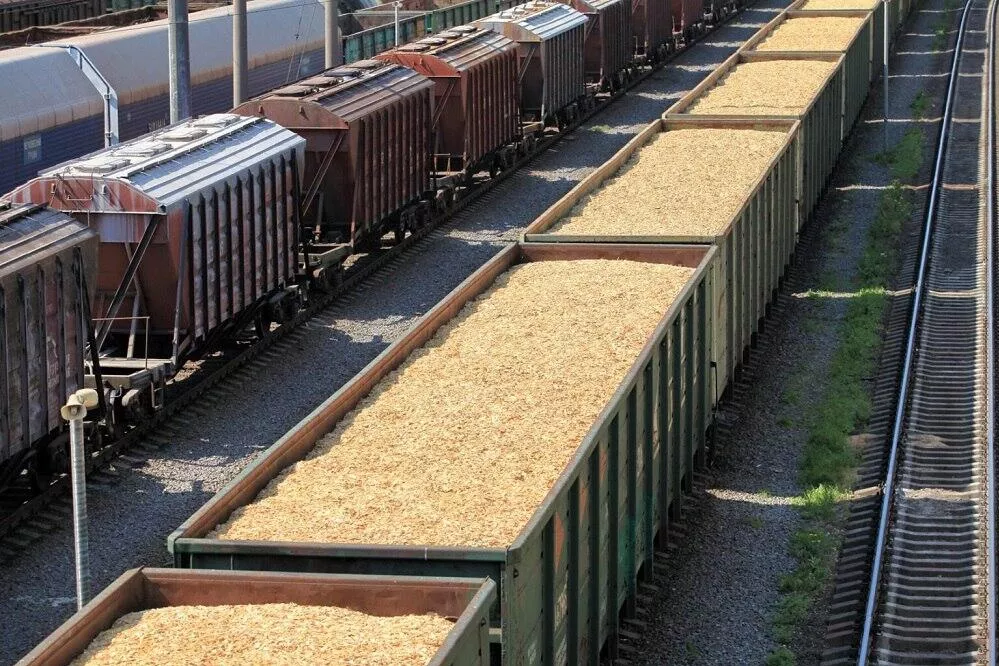
For the first time in many years, a transit train carrying Russian wheat has traveled through Azerbaijan and Georgia on its way to Armenia. The 15-car train arrived at the Armenian station of Ayrum,
marking a symbolic step toward restoring regional transport connections that
had long been blocked due to the protracted Armenian–Azerbaijani conflict.
According to the Government of Armenia, an additional 132 wagons of grain are expected to arrive by the end of January 2026, which will help ensure the country’s internal food balance and reduce dependence on longer and more expensive routes through the Black Sea region.
The decision to authorize the transit became possible
following a series of negotiations between Yerevan, Baku, and Tbilisi, with the
involvement of international partners. Baku emphasized that the transit has an “exclusively humanitarian and economic
character” and is aimed at stabilizing regional relations.
For Armenia, this move carries not only economic but also political significance. It demonstrates a partial easing of tensions with Azerbaijan and confirms the willingness of both sides to gradually restore transport links envisaged by the trilateral agreements reached after the 2020 conflict.

Delivering grain through Azerbaijan and Georgia reduces
transportation time and costs by approximately
20-25% compared with alternative routes. It also allows Armenia to plan
grain imports more sustainably without relying on unstable maritime corridors.
The transit opens prospects for creating a new South Caucasus transport corridor, which could become a vital
link between Russia, Iran, and the Middle East.
Experts note that this development represents one of the first tangible manifestations of “economic
peace” between Baku and Yerevan. It aligns with broader regional trends:
the European Union and the United Kingdom have recently
expressed readiness to support projects aimed at restoring connections and
transport routes across the South Caucasus. Russia, for its part, is interested in ensuring stable transit as
an element of regional stability that reinforces its economic presence. Turkey may view this process as part
of its broader initiative to integrate Turkic and neighboring countries into a
unified infrastructure network.
Thus, the grain transit is not merely a trade operation but
an element of a new regional architecture,
where cooperation is gradually replacing confrontation. Yerevan has already
announced that it is considering the possibility of transporting not only grain
but also other goods from Russia via Azerbaijan. Additionally, there is
potential for establishing a bilateral
or trilateral coordination mechanism among the railway administrations
of the three countries.
Against this backdrop, Armenia may see a decrease in bread and grain prices by
spring 2026, provided the supplies remain stable.
The transit of grain through Azerbaijan and Georgia to
Armenia is therefore more than a logistical episode – it is an indicator of a new geo-economic reality in
the South Caucasus. If this process continues steadily, it may lay the
foundation for long-term peace, regional
cooperation, and the gradual removal of political barriers that have
divided the countries of the region for decades.


 Latest news
Latest news
Latest newsUkraine’s Battlefield Experience Opens New Opportunities in Asia’s Drone Market
19.Jun.2026
Azerbaijan’s Oil Trap: Why the Economy Is Standing Still
18.Jun.2026
Motorcycle Noise Seen as Obstacle to Air Defense Operations in Crimea
17.Jun.2026
Rising Wages and Euro Integration: Bulgaria Enters a New Economic Era
17.Jun.2026
Armenia After June 7: Pashinyan Remains in Power, Moscow Unhappy
17.Jun.2026
$300 Billion Deal: Iran Poised to Receive the Largest Investment Package in Modern Middle Eastern History
16.Jun.2026
Infrastructure Pressure: Putin Acknowledges the Economic Impact of Ukrainian Attacks
15.Jun.2026
Kyiv and Moscow Trade Blame After Damage Reported at Kyiv Pechersk Lavra
15.Jun.2026
IMF Raises Georgia’s Economic Growth Forecast to 6.5% for 2026
15.Jun.2026
EU Opens the Door to Ukraine and Moldova as First Membership Talks Begin
14.Jun.2026