
 24 Jun 2026









Iran and Turkey on the Verge of a New Phase of Economic Cooperation
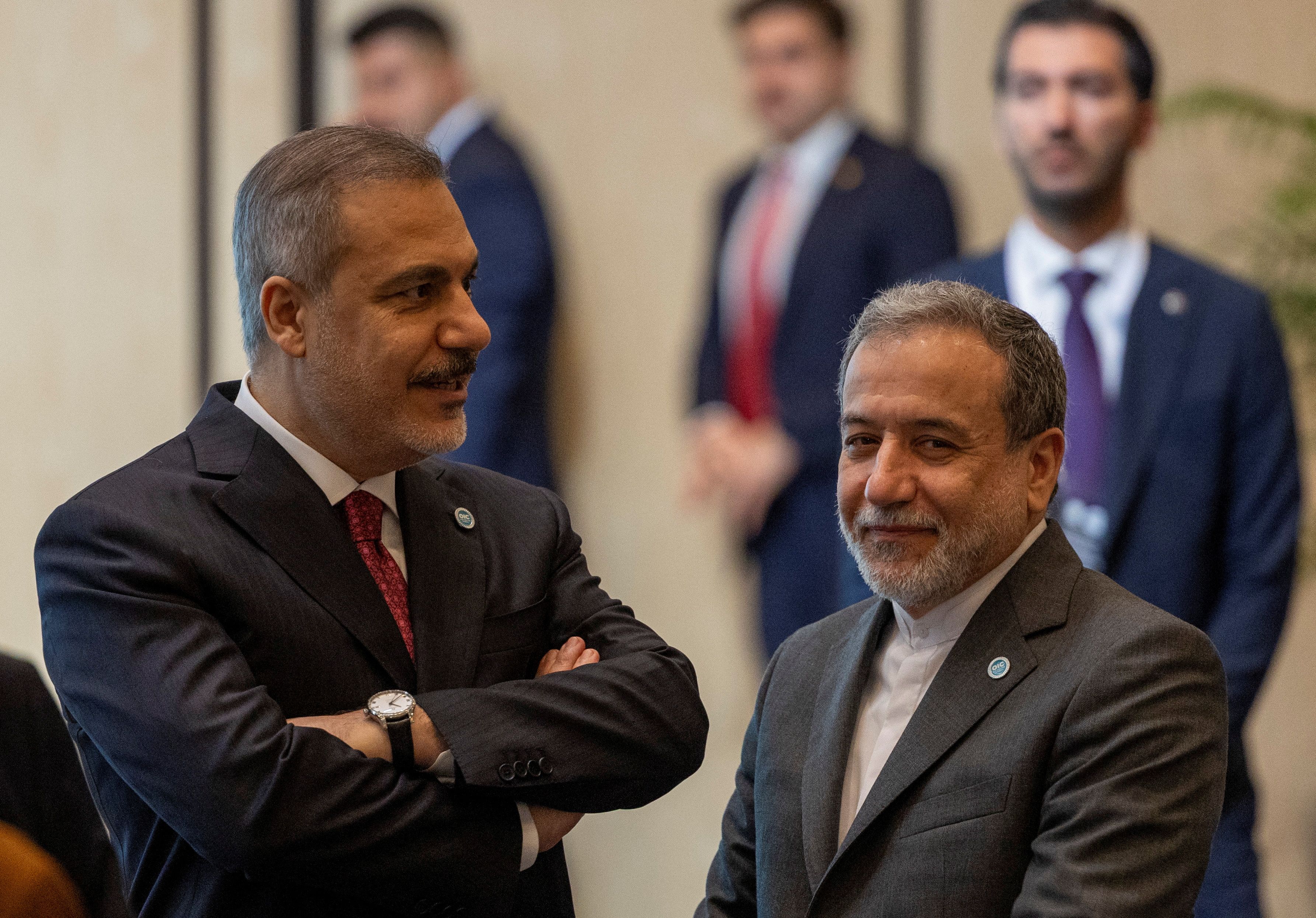
At a
joint press conference in Tehran, the foreign ministers of Iran and Turkey –
Abbas Araghchi and Hakan Fidan – announced their intention to remove the
obstacles hindering full-fledged bilateral trade and investment cooperation.
Following the meeting, the sides agreed to hold a session
of the High-Level Cooperation Council and to resume the work of the Joint
Economic Commission, which is intended to systematically advance the deepening
of economic ties.
Despite geographic proximity and historically close
cultural and religious links, the actual potential for trade and investment
remains underutilized. According to experts, eliminating tariff, logistical,
and regulatory barriers could significantly expand bilateral trade, particularly
in sectors such as energy, railway and transport corridors, free economic
zones, and cross-border logistics.
In the energy sector, Iran remains a reliable supplier –
the statement noted that the country is ready to extend gas contracts and
develop cooperation in electricity generation. Key constraints have included
tariff barriers and bureaucratic hurdles that slowed exports and investment
projects, especially for Iranian producers in the Turkish market.
Insufficient capacity of rail and transport routes, as well
as the lack of active border crossings, have also held back trade turnover. The
plan is to utilize existing and new infrastructure projects – the
Cheshmeh-Seraya-Aralik railway corridor, joint free economic zones, and the
launch of a new border crossing – as tools to accelerate trade.
If the agreements are implemented, this could become the
first step toward sustainable growth in bilateral trade – potentially to levels
significantly above the current figures. Increased investment and trade activity
could stimulate economic growth, export diversification, and the development of
import-substituting industries.
Cooperation is expected to deepen not only in the economic
sphere but also in energy, transport, and infrastructure – potentially
strengthening the strategic partnership between Iran and Turkey at the regional
level. Implementation of these plans may also positively affect border
provinces in both countries, promoting improvements in logistics, job creation,
and regional development.
The statement by Tehran and Ankara signals a new stage of cooperation, in which bilateral relations may move beyond “political proximity” into the realm of genuine economic engagement. If the agreements are implemented promptly and consistently, Iran and Turkey may unlock substantial trade and investment potential, overcoming decades of missed opportunities.


 Latest news
Latest news
Latest newsUkraine’s Battlefield Experience Opens New Opportunities in Asia’s Drone Market
19.Jun.2026
Azerbaijan’s Oil Trap: Why the Economy Is Standing Still
18.Jun.2026
Motorcycle Noise Seen as Obstacle to Air Defense Operations in Crimea
17.Jun.2026
Rising Wages and Euro Integration: Bulgaria Enters a New Economic Era
17.Jun.2026
Armenia After June 7: Pashinyan Remains in Power, Moscow Unhappy
17.Jun.2026
$300 Billion Deal: Iran Poised to Receive the Largest Investment Package in Modern Middle Eastern History
16.Jun.2026
Infrastructure Pressure: Putin Acknowledges the Economic Impact of Ukrainian Attacks
15.Jun.2026
Kyiv and Moscow Trade Blame After Damage Reported at Kyiv Pechersk Lavra
15.Jun.2026
IMF Raises Georgia’s Economic Growth Forecast to 6.5% for 2026
15.Jun.2026
EU Opens the Door to Ukraine and Moldova as First Membership Talks Begin
14.Jun.2026