
 24 Jun 2026









- increase the production of missiles, artillery systems, and
drones;
- expand the network of defense industry enterprises;
- strengthen the air defense system, which has become a key
factor in protecting the energy infrastructure;
- enhance the army’s resilience for a prolonged war.
- rebuilding cities and critical infrastructure;
- energy projects, including decentralization and the
transition to renewable sources;
- modernization of industry;
- stabilizing the hryvnia and the national budget.
- In the short term: holding the defense line, strengthening resilience against Russian attacks, and expanding military production.
-
In the long term:
deeper integration into the European market, infrastructure reconstruction, and
building an economy capable of functioning even during wartime.
Verkhovna Rada Approves the 2026 Budget with Record Security Spending
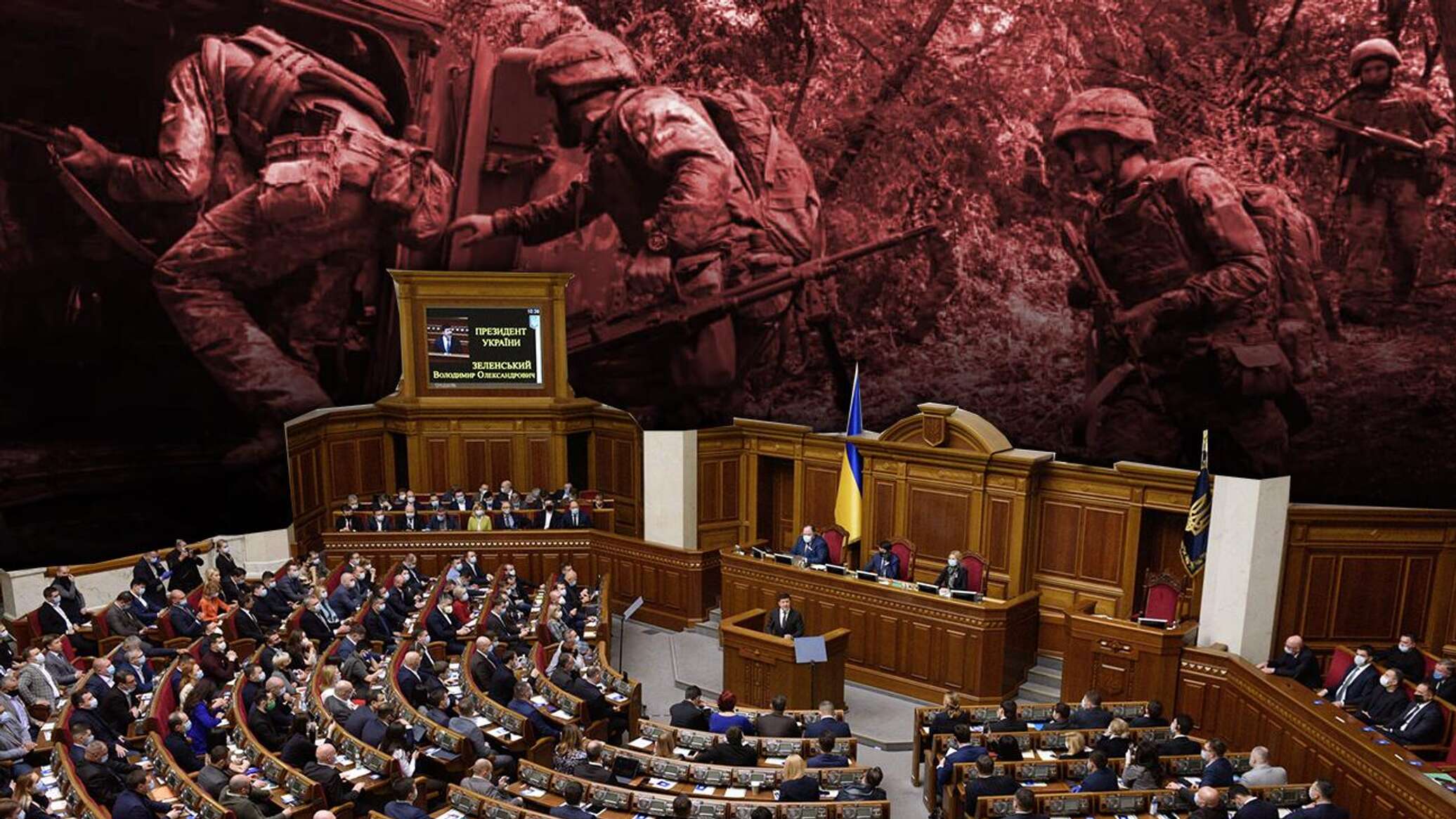
The
Verkhovna Rada of Ukraine has approved the state budget for 2026, taking one of
the boldest steps since the beginning of the war: 27.2% of the country’s GDP will be allocated to
defense — a level unmatched by any European nation today. This
decision reflects not only urgent necessity but also Kyiv’s political will to
maintain strategic defensive depth while simultaneously laying the foundation
for future counteroffensive capabilities.
According to government estimates, the additional funding
will make it possible to:
At the same time, economists warn that such allocations
imply a significant structural transformation of the economy, where the defense
sector will remain dominant for many years to come.

While Kyiv prioritizes security, the European Commission has proposed
creating a fundamentally new financial architecture for supporting Ukraine.
The initiative is based on using profits generated from frozen Russian assets —
a step that seemed politically and legally impossible just a year ago.
The initial package amounts to €90 billion, but the mechanism
provides for a possible expansion up to €210 billion, a scale comparable to the post-war Marshall
Plan.
The funds are expected to be directed toward:
This EU initiative may become not just financial assistance
but a political signal of long-term
European commitment to Ukraine.
Experts note that the combination of increased defense spending and the new European financial initiative is shaping a new two-level strategy for Ukraine:
Balancing these tasks remains challenging. But analysts believe that, for the first time, Ukraine has a chance to simultaneously reinforce its defense and plan recovery — not as competing priorities, but as interconnected components of a unified national strategy.


 Latest news
Latest news
Latest newsUkraine’s Battlefield Experience Opens New Opportunities in Asia’s Drone Market
19.Jun.2026
Azerbaijan’s Oil Trap: Why the Economy Is Standing Still
18.Jun.2026
Motorcycle Noise Seen as Obstacle to Air Defense Operations in Crimea
17.Jun.2026
Rising Wages and Euro Integration: Bulgaria Enters a New Economic Era
17.Jun.2026
Armenia After June 7: Pashinyan Remains in Power, Moscow Unhappy
17.Jun.2026
$300 Billion Deal: Iran Poised to Receive the Largest Investment Package in Modern Middle Eastern History
16.Jun.2026
Infrastructure Pressure: Putin Acknowledges the Economic Impact of Ukrainian Attacks
15.Jun.2026
Kyiv and Moscow Trade Blame After Damage Reported at Kyiv Pechersk Lavra
15.Jun.2026
IMF Raises Georgia’s Economic Growth Forecast to 6.5% for 2026
15.Jun.2026
EU Opens the Door to Ukraine and Moldova as First Membership Talks Begin
14.Jun.2026