
 14 Jul 2026









Russia–Iran: A New Phase of Strategic Engagement Amid the Nuclear Crisis
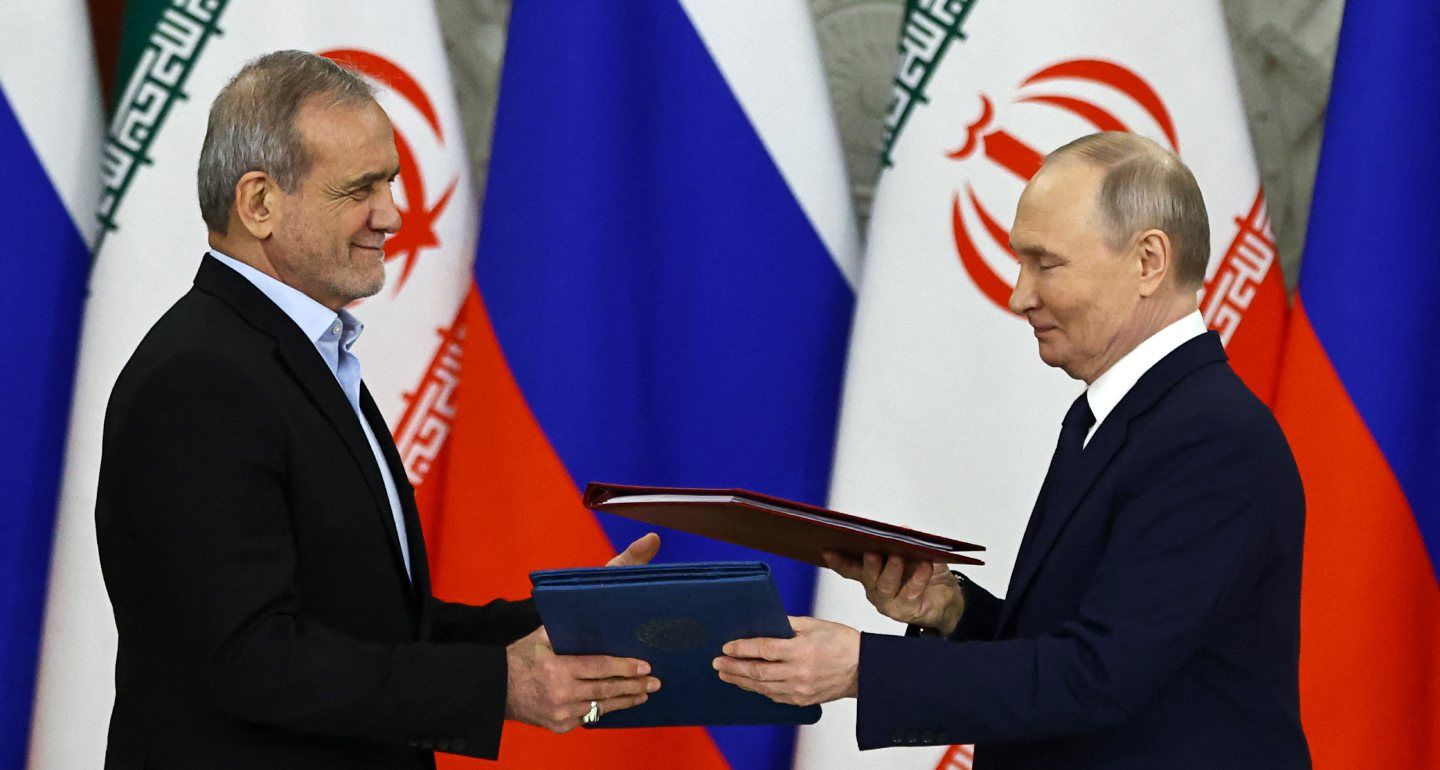
Russia and Iran are entering a new phase of political and
diplomatic rapprochement against the backdrop of a sharp escalation around
Iran’s nuclear program and growing risks of direct regional confrontation. The
talks in Moscow between Russian Foreign Minister Sergey Lavrov and Iran’s
Foreign Minister Abbas Araghchi were not merely another routine contact, but a
reflection of a broader redistribution of roles in Middle Eastern diplomacy,
where Russia is seeking to position itself as one of the key external
moderators of the crisis.
The backdrop to the meeting was shaped by statements from
the Israeli side. The head of Israeli intelligence stated bluntly that Iran,
despite the damage inflicted on its nuclear infrastructure, has not abandoned
its ambition to acquire nuclear weapons. This signal was addressed not only to
Tehran, but also to all external actors involved in containing Iran, including
Moscow. In effect, Israel is making it clear that the military option remains
on the table, while the diplomatic window is rapidly narrowing.
Against this background, Moscow has become for Tehran one of
the few major international partners with whom a systematic discussion of the
nuclear dossier is possible without prior ultimatums. The Lavrov–Araghchi talks
focused precisely on prospects for resolving the nuclear issue and on
identifying formats capable of replacing Western negotiating mechanisms that
have reached a dead end. The Russian side traditionally emphasizes its
commitment to diplomacy and international law, while at the same time opposing
unilateral sanctions and the use of force against Iran.
For Russia, this dialogue carries a broader meaning than simple
support for a partner. As analysts note, Moscow is attempting to convert
Tehran’s political loyalty into strategic capital – strengthening its influence
in the Middle East, demonstrating an alternative to Western diplomacy, and
preserving its status as one of the centers of decision-making on international
security issues. At the same time, Russia is acting cautiously, avoiding direct
involvement in a potential military confrontation between Iran and Israel.
Analytical assessments indicate that in the Iranian
direction Moscow both gains and loses. On the one hand, it secures a stable
channel of interaction with a state under severe sanctions pressure and
enhances coordination on a number of international issues. On the other hand,
excessive rapprochement with Iran narrows Russia’s room for maneuver in its
dialogue with Israel, the Gulf states, and parts of the Global South, all of
which view Iran’s nuclear program with suspicion.
Iran, for its part, is using the Russian factor as a
diplomatic shield. Tehran consistently insists on its right to peaceful uranium
enrichment under the Nuclear Non-Proliferation Treaty and makes it clear that
it does not intend to make unilateral concessions under pressure. Contacts with
Moscow allow the Iranian leadership to demonstrate that the country is not in
complete international isolation and retains alternative channels of foreign
policy support.
Taken together, these processes point to the emergence of a
new configuration around the Iranian nuclear issue. Western negotiating formats
are effectively paralyzed, while force-based scenarios, despite their risks,
are once again being actively discussed. In these circumstances, Russia is
seeking to embed itself in the crisis as a mediator and political balancer,
offering Tehran diplomatic backing and the international community an
alternative path toward de-escalation.
However, the potential of this course remains limited. Neither Moscow nor Tehran possesses the resources to fully reshape the global approach to Iran’s nuclear problem. Nevertheless, their rapprochement is already altering the balance of power and complicating calculations for the United States and Israel, transforming the Iranian dossier from a regional crisis into one of the key nodes of a broader geopolitical confrontation.


 Latest news
Latest news
Latest newsUS Ready to Lift Sanctions on Turkiye and Restore Its Participation in the F-35 Program
09.Jul.2026
Trump Announces Transfer of License to Ukraine for Patriot Interceptor Missile Production
09.Jul.2026
The NATO Summit in Ankara Marked a New Stage in the Alliance's Transformation
08.Jul.2026
The war in Ukraine - the “liberation of Novorossiya” is a mission impossible
07.Jul.2026
Ursula von der Leyen's Visits to Baku and Yerevan Signal Brussels' New Strategy
07.Jul.2026
Putin's Approval Ratings Decline as Russians Grow Increasingly Concerned About the Economy and the War
06.Jul.2026
Erdogan and Radev Discuss Black Sea Security and Defense Cooperation
06.Jul.2026
OPEC+ Accelerates Output Recovery as Kazakhstan Increases Oil Production from August
05.Jul.2026
Georgia and Uzbekistan Elevate Relations to Strategic Partnership
05.Jul.2026
Iran Turns Khamenei Funeral into a Show of Strength as Week-Long National Mourning Begins
04.Jul.2026