
 24 Jun 2026









"There will be no revolution": Georgian authorities on maintaining the visa-free regime with the EU
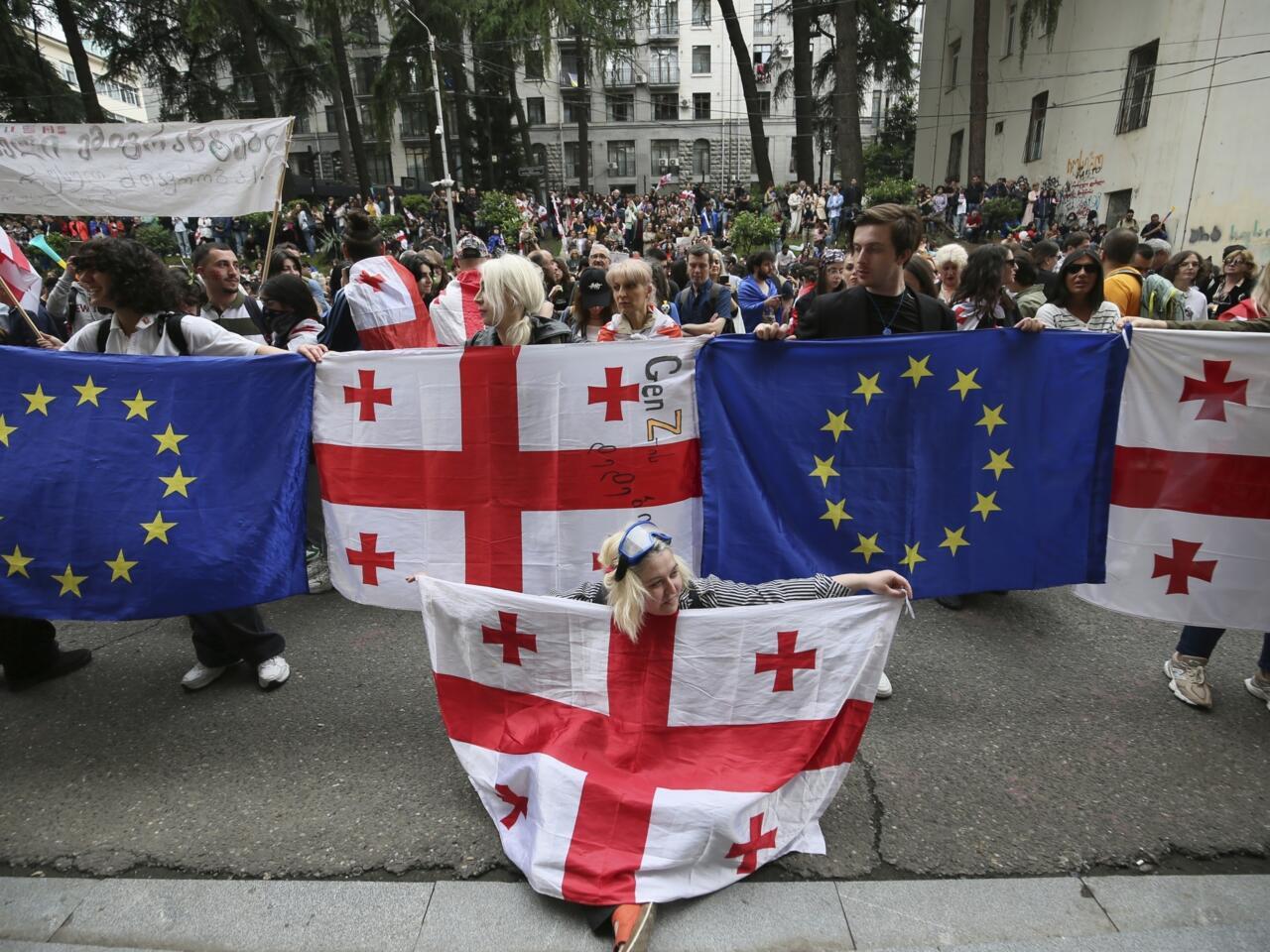
In Georgia, there is confidence that the European Union will not cancel the visa-free regime with the country because, according to Brussels, such a measure could provoke serious internal political tensions up to mass protests. These words were spoken in an interview by Levan Machavariani, the first deputy chairman of the parliamentary faction of the ruling party "Georgian Dream", who was commenting on the recent report by the European Commission. He noted that there was nothing unexpected in the document for the Georgian authorities – it reflects the rhetoric that the country's authorities have long heard from European officials, and he called the situation "blackmail to which we are accustomed". At the same time, he expressed confidence that European bureaucrats would ultimately act rationally, despite the fact that their recent steps are difficult to understand logically.
According to the materials of the EU Enlargement Council, published by the EU representation in Georgia, the country's EU accession process has effectively stalled because the actions of the Georgian authorities, from Brussels' point of view, do not meet the expectations set for a candidate for membership. The document points to regression in areas such as democracy, human rights, and the rule of law: it criticizes repressive laws, the narrowing of civil space, pressure on the opposition and independent media, unjustified arrests of protesters and journalists, as well as the spread of disinformation aimed against the EU. The EU Council notes that Georgia has backtracked in fulfilling the mandatory steps without which the country was recognized as a candidate for membership and urges the government to show firm commitment to reforms and return to the path of European integration.

The document also contains a warning that the EU could theoretically cancel visa liberalization if Georgia does not meet the criteria for visa liberalization and does not fulfill Brussels' requirements. However, Machavariani considers such a step unlikely, as it could provoke a strong reaction within the country.
One can say that this situation illustrates the complex balance Georgia faces between the desire for EU integration and domestic politics, where the ruling party tries to maintain control while demonstrating readiness for dialogue with European partners. Experts note that such EU reports act more as a signal for the Georgian authorities – not so much a threat but a tool of pressure that forces Tbilisi to adjust its actions without direct intervention. Thus, the country remains in a zone of tense interaction between internal politics and international expectations.


 Latest news
Latest news
Latest newsUkraine’s Battlefield Experience Opens New Opportunities in Asia’s Drone Market
19.Jun.2026
Azerbaijan’s Oil Trap: Why the Economy Is Standing Still
18.Jun.2026
Motorcycle Noise Seen as Obstacle to Air Defense Operations in Crimea
17.Jun.2026
Rising Wages and Euro Integration: Bulgaria Enters a New Economic Era
17.Jun.2026
Armenia After June 7: Pashinyan Remains in Power, Moscow Unhappy
17.Jun.2026
$300 Billion Deal: Iran Poised to Receive the Largest Investment Package in Modern Middle Eastern History
16.Jun.2026
Infrastructure Pressure: Putin Acknowledges the Economic Impact of Ukrainian Attacks
15.Jun.2026
Kyiv and Moscow Trade Blame After Damage Reported at Kyiv Pechersk Lavra
15.Jun.2026
IMF Raises Georgia’s Economic Growth Forecast to 6.5% for 2026
15.Jun.2026
EU Opens the Door to Ukraine and Moldova as First Membership Talks Begin
14.Jun.2026