
 14 Jul 2026









A New Chapter in European Integration: Bulgaria Officially Adopts the Euro
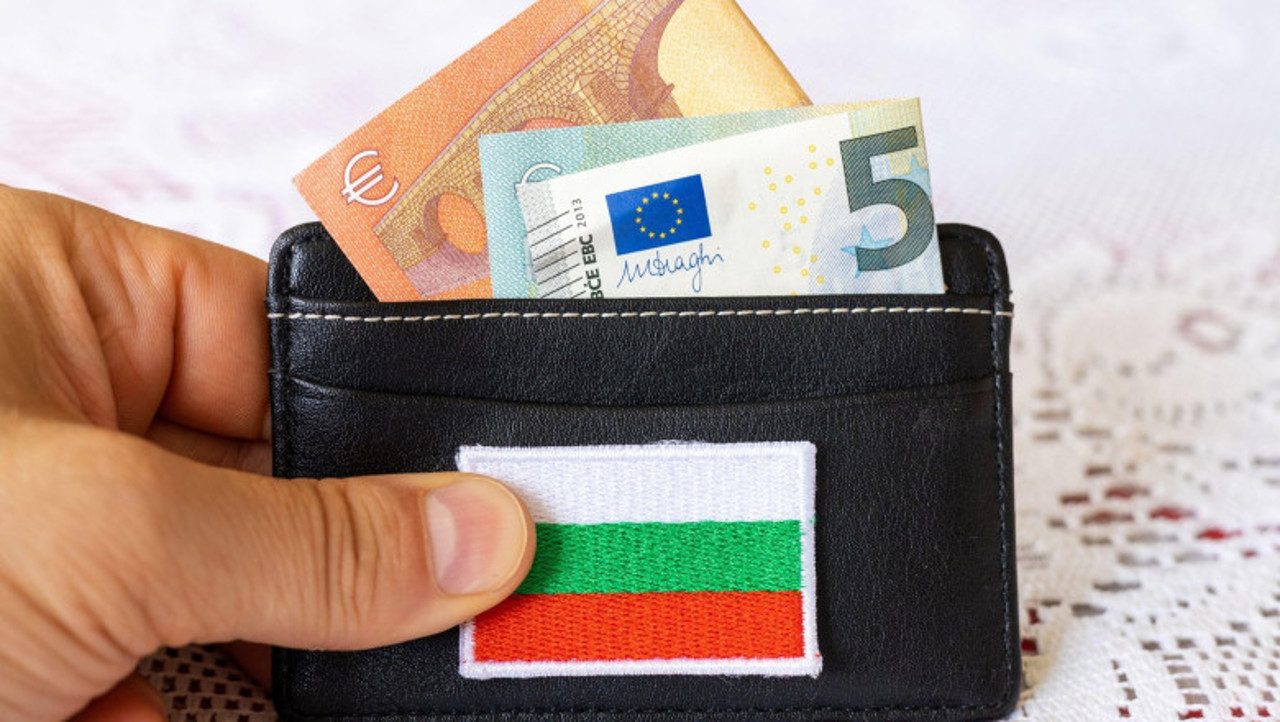
Bulgaria officially adopted the euro on January 1, 2026, becoming the 21st member of the eurozone and cementing its institutional and financial integration into the European Union. The abandonment of the Bulgarian lev, which for decades had been pegged to the euro through a currency board, is more symbolic than technical in nature. It is precisely this symbolism, however, that has heightened public and political sensitivity around the move. In the first days of the new year, the euro has already entered active cash circulation, while the lev remains in use only during a limited transition period designed to ease social tensions and give businesses and households time to adjust.
The government and European institutions emphasize the potential benefits of the transition, including reduced currency risks, lower borrowing costs, increased foreign investment, and deeper integration into the EU single market. For export-oriented industries and the tourism sector, the euro is expected to simplify transactions and enhance the country’s competitiveness. In Brussels, Bulgaria’s entry into the eurozone is also viewed as a political signal of Sofia’s firm pro-European orientation amid ongoing geopolitical instability in the region.
Domestically, however, the move remains controversial. A significant share of the population perceives the adoption of the euro as a top-down decision taken without sufficient public consensus. Public concerns focus primarily on the risk of rising prices for basic goods and services, as well as the perceived loss of national economic sovereignty. Mass protests that took place throughout 2025 and continued into early 2026 reflect not only opposition to the currency change itself, but also a deeper crisis of trust in political elites and state institutions.
Economists note that the real impact of adopting the euro will depend largely on the quality of governance. With weak oversight and a sizeable shadow economy, the risks of “hidden inflation” and speculative price rounding remain significant. At the same time, long-term benefits will materialize only if the government pursues structural reforms, boosts productivity, and strengthens social protections for the most vulnerable groups.
As a result, Bulgaria’s transition to the euro is not merely a technical step in economic integration, but a broader test of the country’s institutional and social maturity. In the short term, Bulgaria faces heightened social tensions and political uncertainty; in the long term, it gains an opportunity to anchor itself more firmly within the core of the European Union. Whether this opportunity will be fully realized should become clear in the coming years, as the initial effects of the currency change give way to deeper economic and institutional consequences.


 Latest news
Latest news
Latest newsUS Ready to Lift Sanctions on Turkiye and Restore Its Participation in the F-35 Program
09.Jul.2026
Trump Announces Transfer of License to Ukraine for Patriot Interceptor Missile Production
09.Jul.2026
The NATO Summit in Ankara Marked a New Stage in the Alliance's Transformation
08.Jul.2026
The war in Ukraine - the “liberation of Novorossiya” is a mission impossible
07.Jul.2026
Ursula von der Leyen's Visits to Baku and Yerevan Signal Brussels' New Strategy
07.Jul.2026
Putin's Approval Ratings Decline as Russians Grow Increasingly Concerned About the Economy and the War
06.Jul.2026
Erdogan and Radev Discuss Black Sea Security and Defense Cooperation
06.Jul.2026
OPEC+ Accelerates Output Recovery as Kazakhstan Increases Oil Production from August
05.Jul.2026
Georgia and Uzbekistan Elevate Relations to Strategic Partnership
05.Jul.2026
Iran Turns Khamenei Funeral into a Show of Strength as Week-Long National Mourning Begins
04.Jul.2026