
 28 Jul 2026









Unrest in Iran and Its Consequences for the South Caucasus Countries
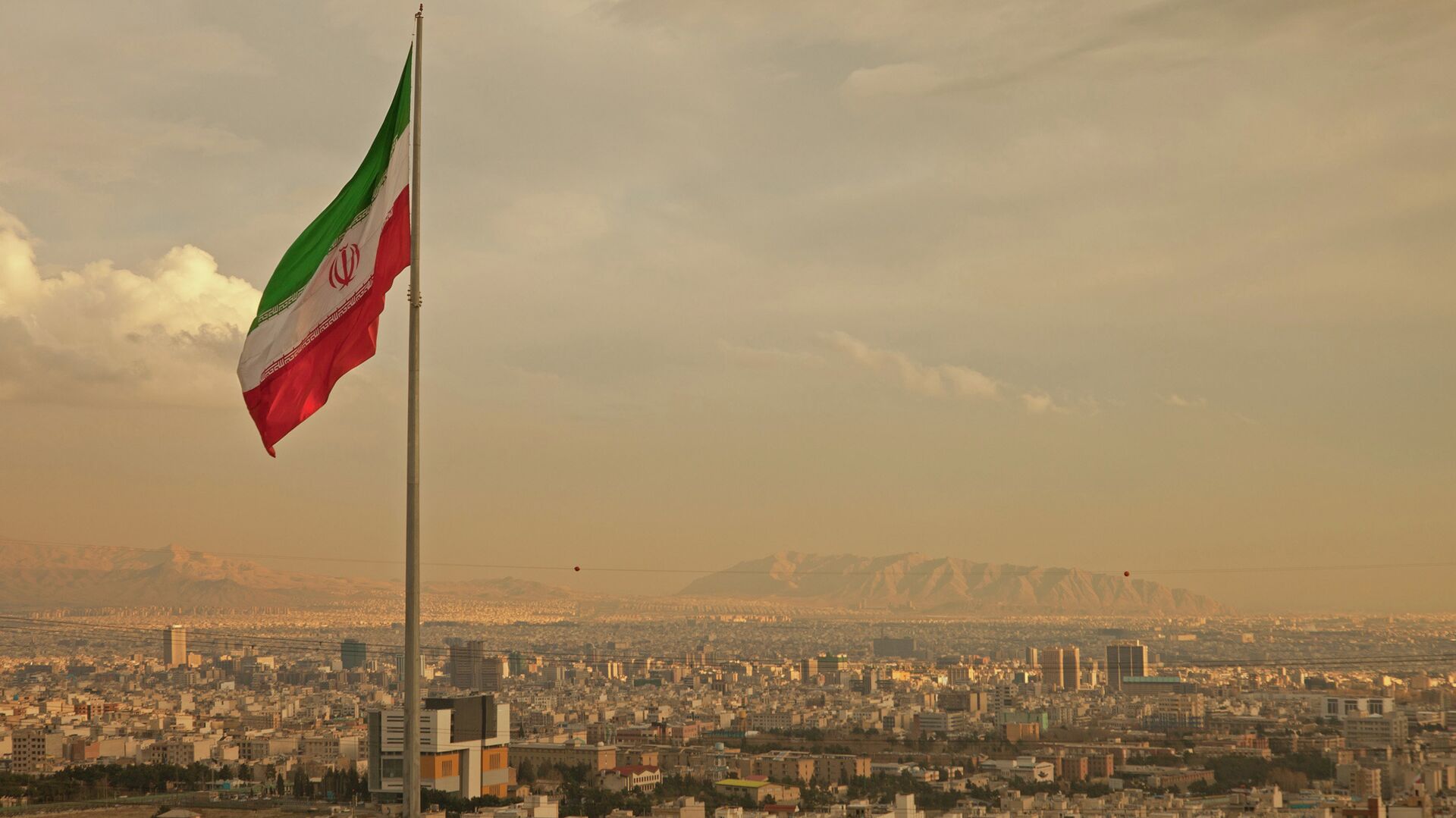
The ongoing unrest in Iran,
although somewhat suppressed on the streets, continues to exert significant
political, economic, and social influence on the South Caucasus countries.
Despite Tehran reasserting control through harsh repressive measures,
structural instability persists in the country. For neighboring states,
especially Armenia and Azerbaijan, this represents a multilayered challenge
that goes beyond Iran’s domestic politics.
Iranian
authorities have resorted to overwhelming force to curb mass protests. Supreme
Leader Ali Khamenei publicly acknowledged that “thousands” of people died
during the unrest, while characterizing the protests as a foreign-organized
“rebellious activity”. Independent media and international sources report mass
arrests, the use of firearms, prolonged internet shutdowns, and near-total
control over information as key tools of suppression.

According to the latest reports from Tehran, demonstrations have effectively disappeared from the streets. However, this apparent “calm” reflects not normalization but intimidation. Security measures have been tightened on the streets, businesses close earlier than usual, and an atmosphere of fear dominates the cities. Thousands of protest participants remain in custody, and the high cost of participation — lethal force and communication restrictions — has effectively frozen street mobilization without resolving underlying problems. It is precisely this ongoing instability that makes neighboring countries vulnerable to secondary effects.
Armenia: High Vulnerability
Among
the South Caucasus countries, Armenia is in the zone of highest potential risk.
The risks are political, economic, and humanitarian in nature.
From a
migration perspective, Armenia can serve both as a destination and as a transit
route. Western countries, including the United States and Canada, have already
advised their citizens to leave Iran via Armenia or Turkey due to disruptions
in air travel and communications. The main land crossing is the Agarak-Meghri route.
Armenian
authorities face a serious information deficit. According to the High
Commissioner for Diaspora Affairs, direct interaction with the Armenian
community in Iran has become impossible. Information mainly comes through
people crossing the border, indicating that the situation inside the country is
far from normalized despite the absence of mass protests.

Demographic
and economic factors further complicate the situation. Armenia is still hosting
more than 100,000 displaced persons from Nagorno-Karabakh following the events
of September 2023. Housing, healthcare, education, and labor market systems are
under significant pressure. There have been no official statements regarding
the reception of Iranian refugees, but political and public readiness will
likely depend on the scale and composition of incoming individuals. Ethnic
Armenians returning from Iran would face less resistance than a significant
number of non-Armenian refugees, which could heavily strain already
overstretched systems.
The
Iranian Armenian community — estimated at 60-80 thousand people, mainly in
Tehran and the New Julfa district of Isfahan — adds another layer of
sensitivity. At least two Armenians have reportedly died during the unrest.
While mass movement has not yet been observed, Armenian authorities do not rule
out evacuation of the community if the situation worsens.
Strategically,
Armenia cannot afford to break ties with Iran. Tehran is an important trading
partner and a critical land corridor, especially given the closed borders with
Azerbaijan and Turkey. Any restriction or tightening of control at the Iranian
border would have an immediate economic impact. Politically, Iran has
traditionally supported the status quo in the region, indirectly aligning with
Armenia’s interests in relations with Azerbaijan. Thus, Yerevan faces a
delicate balance: protecting its population and borders while avoiding any
demonstration of support for foreign intervention or regime change.
Domestically,
instability in Iran may affect the political situation ahead of parliamentary
elections in June 2026. Syunik Province — already a sensitive area due to
tensions with Azerbaijan — could become a focal point for security issues. The
opposition may interpret any problems with migrants or border control as
government inability to handle crises.
Azerbaijan: Border Security, Ethnic
Sensitivity, and Logistics
Azerbaijan’s
vulnerability is determined by geography, ethnic connections, and the country’s
role in regional logistics. During the 2025 conflict between Iran and Israel,
Azerbaijan served as the main humanitarian corridor for foreigners leaving
Iran. This precedent indicates that, with continued instability, Baku could
again face pressure from Iranian citizens and third countries seeking temporary
refuge.
A
particularly sensitive factor is the large ethnic Azerbaijani community in
northern Iran. Cultural and linguistic ties make it difficult for Azerbaijani
authorities to remain indifferent to events abroad. Internal pressure on the
government to protect ethnic Azerbaijanis in Iran may increase — something
Tehran views with suspicion.

From a
security perspective, prolonged instability could create uncertainty along the
southern border, affecting border protection, energy infrastructure security,
and regional diplomacy. Economically, Iran’s stability directly impacts
Azerbaijan’s role as a logistics hub. The country services a key segment of the
International North-South Transport Corridor connecting Russia to Iran and
further to South Asia. Disruptions in Iran could reduce transit flows and
associated revenues.
Georgia: Indirect but Manageable Consequences
Georgia,
which does not share a direct border with Iran, faces fewer immediate risks.
Indirect effects are possible through migration and transit. With continued
instability, Iranian citizens and third-country nationals may enter via Armenia
and use Georgia as a transit corridor to Europe or Turkey. This could place
additional pressure on border and migration controls, although it is unlikely
to constitute a serious security crisis.

Economically,
Georgia is less vulnerable. Trade with Iran is significantly lower than that of
Armenia or Azerbaijan. The main area of economic interaction is tourism, historically
generating modest revenue. Therefore, even prolonged instability in Iran is
unlikely to significantly affect the tourism sector.
Conclusion: Unequal Risks Across the Region
Unrest
in Iran creates a source of ongoing uncertainty for the South Caucasus, but the
impact is unevenly distributed. Armenia and Azerbaijan, with land borders and
close economic and cultural ties to Iran, are far more vulnerable than Georgia.
For
Armenia, the risks encompass humanitarian burdens, economic disruption, and
political challenges ahead of elections. For Azerbaijan, the main concerns are
border security, ethnic, and logistical challenges. Georgia remains relatively
protected due to geography and limited economic dependence.
Suppression of protests in Iran has reduced their visibility but has not decreased regional risk. As long as structural instability persists, the South Caucasus will continue to feel indirect consequences, testing the countries’ ability to manage crises and navigate diplomatic and humanitarian challenges differently.
International Analyst,
Mariana Shafrazyan


 Latest news
Latest news
Latest newsUkraine Takes the War Deep into Russia: Why Kyiv Is Targeting Wildberries
23.Jul.2026
Zelensky Replaces Commander-in-Chief of the Armed Forces: Mykhailo Drapatyi Takes Over from Oleksandr Syrskyi
22.Jul.2026
Bulgaria Strengthens Its Role in NATO: Parliament Approves Temporary Deployment of U.S. Air Refueling Tankers at Bezmer Air Base
22.Jul.2026
Strike on Gas Carrier Near Romania Raises Tensions in the Black Sea
21.Jul.2026
Georgia Economy Strengthens as Trade with Russia and Tourism Revenues Grow
20.Jul.2026
The South Caucasus Strengthens Protection of Strategic Infrastructure: What Lies Behind the Eternity-2026 Exercises
19.Jul.2026
Urban and Mountain Tourism Drive Growth in Bulgaria
18.Jul.2026
Putin Approval Rating Drops to Lowest Level Since Start of War
17.Jul.2026
Zelensky Reshuffles Security Leadership Amid Protests
17.Jul.2026
Baku Says It has Reached ''Real Peace'' with Armenia, but Sets Condition for Historic Agreement
16.Jul.2026