
 14 Jul 2026









Romania Between Brussels and Nationalism
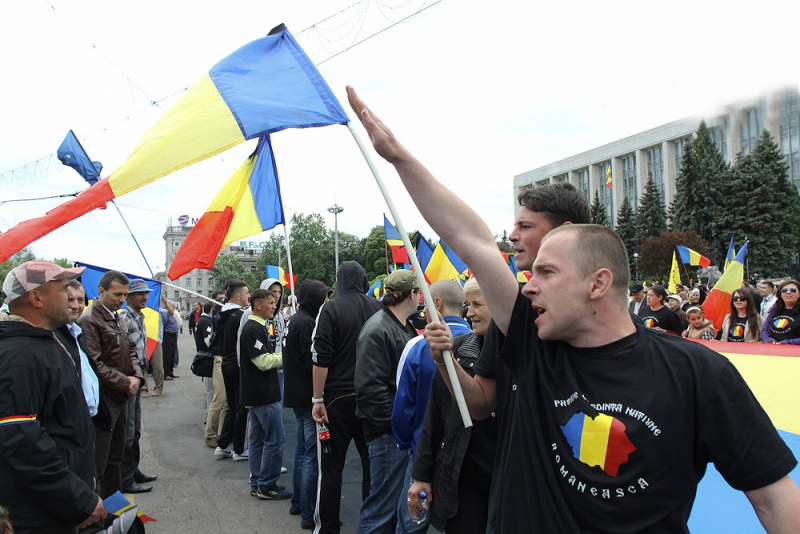
The
latest social survey has marked a qualitative shift in Romanian politics. The
far-right opposition party, Alliance for the Uniting of Romanians (AUR), has emerged
as the undisputed leader in public support, garnering around 40% backing and
significantly outpacing both the ruling coalition and traditional pro-European
parties. For Romania, which has long been considered a relatively stable
democracy with a predictable foreign policy course after joining the EU and
NATO, this development carries much deeper significance than the mere success
of a single opposition force.
The rise of AUR reflects the accumulated frustration of a
significant portion of society. Social surveys indicate that the majority of
Romanians believe the country is moving in the wrong direction. Economic
challenges, inflation, the persistent perception of corruption, and the growing
distance between the political class and ordinary citizens have created a
strong demand for an “alternative to the system”. AUR has effectively captured
this demand, offering simple and emotionally charged responses — defending
national sovereignty, sharply criticizing Brussels, expressing skepticism
toward support for Ukraine, and appealing to traditional values and identity.
Importantly, this is not merely a protest vote. Support for
AUR increasingly represents a conscious political choice, particularly among
voters who feel that Romania is paying too high a price for its foreign policy
commitments without receiving tangible social benefits in return. In this
sense, Romania’s situation fits within a broader European context — the rise of
right-wing and national-populist forces amid widespread fatigue with “old
elites” and a crisis of trust in EU institutions.
From an analytical perspective, AUR’s current ratings do
not guarantee an automatic victory in the elections, especially since the
parliamentary campaign is not expected until 2028. The political landscape
could still change, particularly if the authorities manage to stabilize the
economy and present a clear social agenda. Nevertheless, the scale of the gap
between AUR and other parties is already a warning signal, pointing to a
structural crisis of representation and a growing divide between society and
the pro-European political mainstream.
If this trend continues, Romania may enter a period of heightened political turbulence. The strengthening of the far-right will inevitably complicate dialogue with Brussels and call into question the level of consensus on foreign policy and the country’s role on NATO’s eastern flank. Essentially, the results survey show that Romania stands at a crossroads: either the traditional parties will manage to regain the agenda and restore trust, or the country’s political system will be reshaped under the pressure of forces advocating a far stricter and more confrontational course, both domestically and on the international stage.


 Latest news
Latest news
Latest newsUS Ready to Lift Sanctions on Turkiye and Restore Its Participation in the F-35 Program
09.Jul.2026
Trump Announces Transfer of License to Ukraine for Patriot Interceptor Missile Production
09.Jul.2026
The NATO Summit in Ankara Marked a New Stage in the Alliance's Transformation
08.Jul.2026
The war in Ukraine - the “liberation of Novorossiya” is a mission impossible
07.Jul.2026
Ursula von der Leyen's Visits to Baku and Yerevan Signal Brussels' New Strategy
07.Jul.2026
Putin's Approval Ratings Decline as Russians Grow Increasingly Concerned About the Economy and the War
06.Jul.2026
Erdogan and Radev Discuss Black Sea Security and Defense Cooperation
06.Jul.2026
OPEC+ Accelerates Output Recovery as Kazakhstan Increases Oil Production from August
05.Jul.2026
Georgia and Uzbekistan Elevate Relations to Strategic Partnership
05.Jul.2026
Iran Turns Khamenei Funeral into a Show of Strength as Week-Long National Mourning Begins
04.Jul.2026