
 14 Apr 2026








The United States Sets June 2026 as a Target for Ending the War
Ukrainian President Volodymyr Zelenskyy said that the United States has proposed that Ukraine and Russia reach a peace agreement by early summer — roughly by June 2026. According to Zelenskyy, U.S. mediators are seeking a clear, structured negotiation process with defined stages and concrete deadlines, rather than endless postponed talks.
This date is not legally binding, but Washington appears determined to prevent peace efforts from dragging on for years. The idea is to make negotiations as structured as possible, with scheduled meetings, response deadlines, and specific tasks assigned to each side. If no agreement is reached by that time, the White House has signaled it may increase pressure on both parties to stick to the timeline.

A recent round of U.S.-mediated talks in Abu Dhabi ended without results. Russia reiterated its long-standing demands, including Ukraine’s withdrawal from Donbas, while Kyiv stated unequivocally that it would not agree to any territorial concessions, as such a move is prohibited by Ukraine’s constitution.
The U.S. has now proposed a new trilateral meeting — this time on American soil, possibly in Miami, as early as next week — to personally assess the progress of the talks. Ukraine has confirmed its participation.
The Donbas and the broader territorial issue remain the main stumbling block. Russia insists that Ukraine recognize its control over parts of the eastern territories, while Ukraine maintains that such demands are legally and politically unacceptable.
At the same time, Russia continues large-scale strikes on Ukraine’s energy infrastructure, launching more than 400 drones and dozens of missiles. These attacks have forced power plants to reduce output and implement rolling blackouts. Beyond their immediate military impact, the strikes are widely seen as an attempt to increase pressure on Kyiv ahead of negotiations.
Zelenskyy also mentioned that Russia had presented a massive economic proposal — estimated at around $12 trillion — but Kyiv remains skeptical, particularly regarding the idea of creating a “free economic zone” in Donbas, where the two sides hold fundamentally different visions.

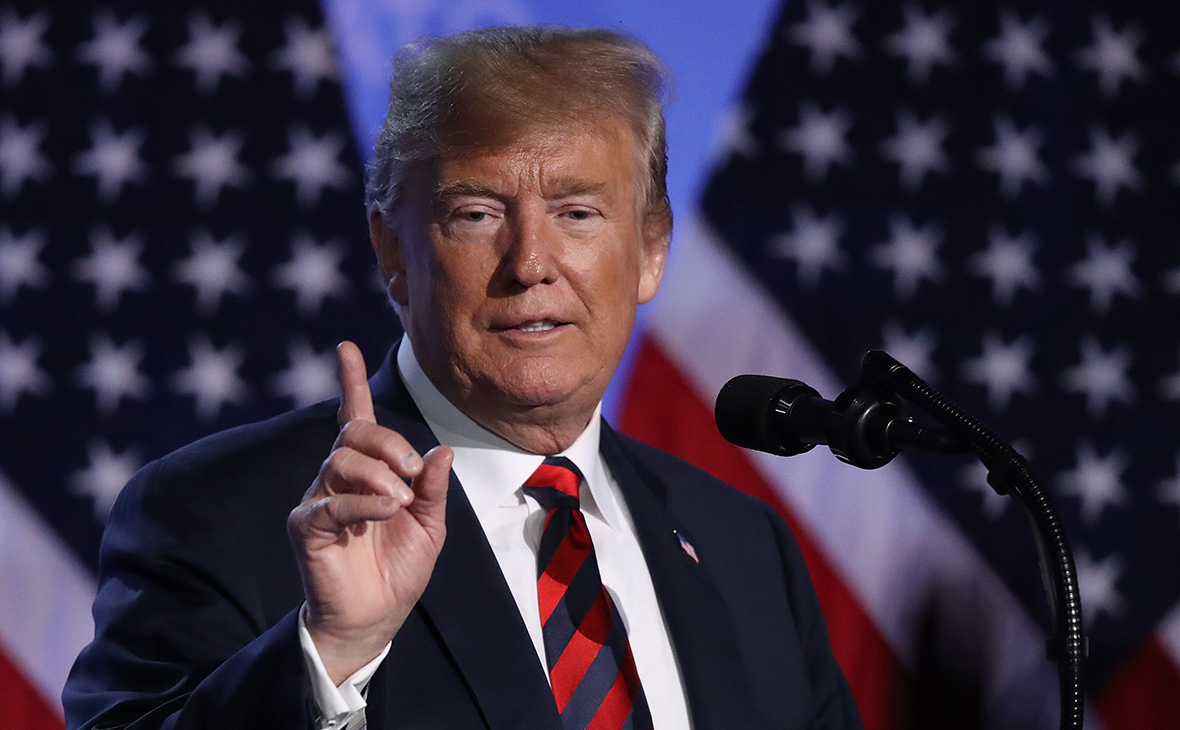
Why June? The deadline was not chosen at random. According to politicians and analysts, the administration of U.S. President Donald Trump wants to be able to point to progress in peace negotiations before the start of the U.S. election campaign and the midterm elections scheduled for fall 2026. This political timing may be driving Washington’s push to accelerate talks.
After nearly four years of war, resources, infrastructure, and public patience in both Ukraine and Russia are under severe strain. The United States appears to be trying to capitalize on this moment to push both sides away from purely military solutions.
The chances of peace by June are slim, but they do exist. What makes this moment different is that the talks now have clearer structure and timelines than ever before. For the first time, the conversation is not simply about “continuing dialogue”, but about concrete milestones and deadlines — a crucial element in diplomacy, as negotiations without dates often drift indefinitely. Still, even if talks proceed according to plan, the core issues — territorial control, the status of Donbas, and security guarantees — remain politically explosive and cannot be resolved by deadlines alone. A lasting peace will require not only a ceasefire, but also the rebuilding of trust between the parties — something that is not yet in sight.


 Latest news
Latest news
Latest newsCeasefire Without Effect: Traffic Through the Strait of Hormuz Remains Paralyzed
10.Apr.2026
Repairs to the Druzhba Oil Pipeline Near Completion: Kyiv Seeks to Ease Tensions within the EU
10.Apr.2026
Armenia’s 2026 Elections: System Stability Amid Low Trust and Fragmented Competition
08.Apr.2026
Escalation Around Iran: The U.S. Increases Pressure
07.Apr.2026
Tbilisi Brings the Region Closer: The South Caucasus Strengthens Coordination
07.Apr.2026
Ukraine Develops a “Low-Cost Shield”: New Air Defense System Could Change the Rules of Warfare by 2027
06.Apr.2026
Yale report: Russian companies may have been involved in the deportation of Ukrainian children
05.Apr.2026
Ukraine says Russian offensive thwarted as frontline situation improves
04.Apr.2026
Turkiye Conducts Large-Scale Military Drills
03.Apr.2026
Russia Bets on a “Drone Elite”: Students Lured into the Military with Lucrative Incentives
02.Apr.2026