
 24 Jun 2026









Georgia Reforms State Institutions: The Development Fund Is Phased Out, a State Development Bank to Replace It
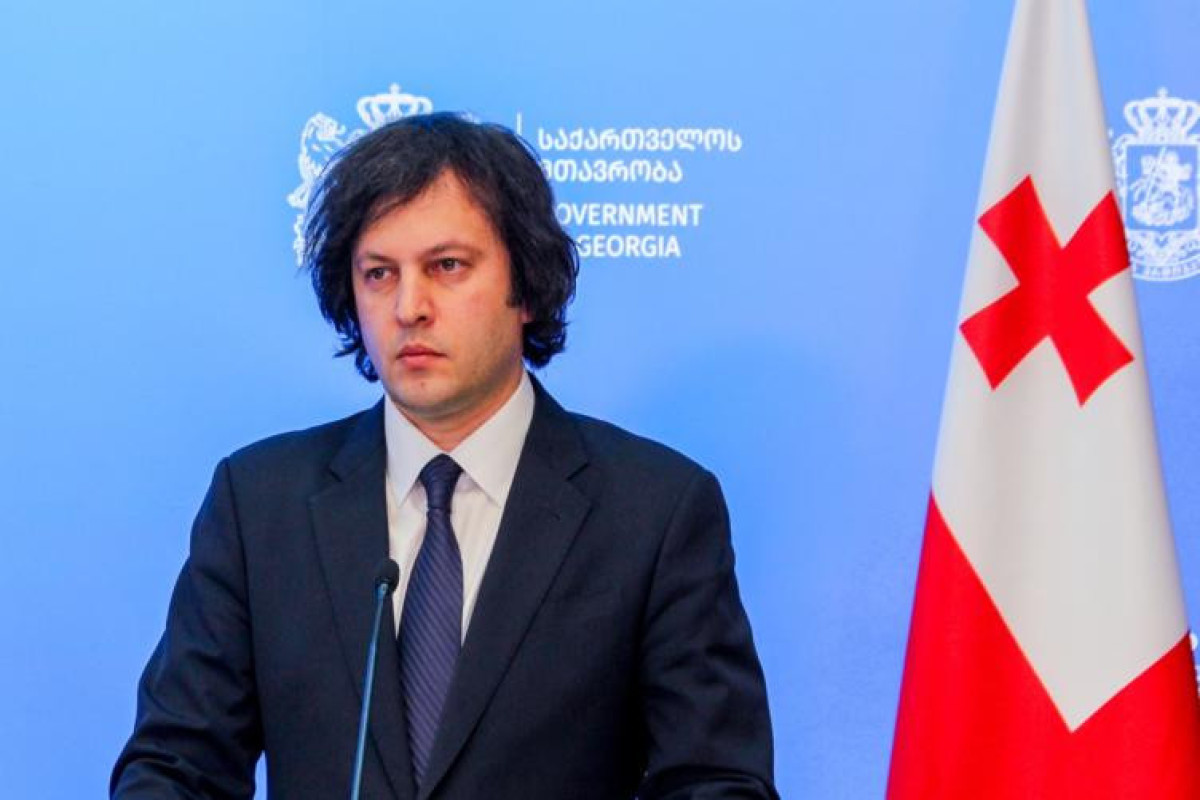
The Georgian government has officially included in its spring 2026 legislative session a bill to liquidate the Development Fund of Georgia, an institution created to support state investment projects and stimulate economic activity.
This move is not merely the closure of another state body. The authorities plan a comprehensive overhaul of the system of state support for business and investment, aiming to make it more efficient and better structured.
The Development Fund of Georgia (formerly the Partnership Fund) was established in 2023 on the basis of an earlier state institution and has since financed projects in business and investment. However, Prime Minister Irakli Kobakhidze has noted that the Fund’s functions overlap with those of the existing state program “Produce in Georgia”. As a result, the government decided to consolidate these mechanisms into a single institution rather than maintain multiple parallel structures.
The plan is not simply to dissolve the Fund, but to create a new entity — effectively a state development bank. This institution would be granted certain banking-type functions, while not becoming a traditional commercial bank licensed by the National Bank of Georgia.
In essence, the proposed state development bank would combine the functions of the Development Fund of Georgia, the “Produce in Georgia” program (which supports domestic manufacturing), and potentially other state instruments for business support.
According to the prime minister, this will not be a classic commercial bank. Instead, the new structure will have a broad range of financial tools designed to stimulate investment, provide financing, and support large-scale infrastructure projects.
This reform is part of a broader effort by the Georgian authorities to optimize economic governance and the state apparatus. It also overlaps with initiatives to develop a long-term development strategy for Georgia through 2035, which is likewise overseen by Prime Minister Kobakhidze.
The consolidation of institutions could simplify procedures for investors and entrepreneurs, reduce bureaucracy, and make state financial support more centralized and transparent.
However, critics and experts caution that the real impact of the reorganization will only become visible over time. Much will depend on how the new institution is managed in practice and how well it is shielded from political influence.
According to previous economic reports, Georgia’s economy has demonstrated strong growth rates, and the government is seeking to further strengthen the investment climate. The creation of a unified development bank fits into this strategy, as enhanced support for innovative and infrastructure projects could help accelerate GDP growth and increase employment.
In summary, the Georgian government is dismantling the Development Fund of Georgia and merging its functions with existing production-support programs into a new state development bank, with the goal of centralizing and optimizing state economic support, improving transparency and efficiency, and focusing on large-scale projects. While this reform may ease access to financing and investment instruments for businesses, its success will ultimately depend on governance and effective implementation.


 Latest news
Latest news
Latest newsUkraine’s Battlefield Experience Opens New Opportunities in Asia’s Drone Market
19.Jun.2026
Azerbaijan’s Oil Trap: Why the Economy Is Standing Still
18.Jun.2026
Motorcycle Noise Seen as Obstacle to Air Defense Operations in Crimea
17.Jun.2026
Rising Wages and Euro Integration: Bulgaria Enters a New Economic Era
17.Jun.2026
Armenia After June 7: Pashinyan Remains in Power, Moscow Unhappy
17.Jun.2026
$300 Billion Deal: Iran Poised to Receive the Largest Investment Package in Modern Middle Eastern History
16.Jun.2026
Infrastructure Pressure: Putin Acknowledges the Economic Impact of Ukrainian Attacks
15.Jun.2026
Kyiv and Moscow Trade Blame After Damage Reported at Kyiv Pechersk Lavra
15.Jun.2026
IMF Raises Georgia’s Economic Growth Forecast to 6.5% for 2026
15.Jun.2026
EU Opens the Door to Ukraine and Moldova as First Membership Talks Begin
14.Jun.2026