
 13 Oct 2026









Sofia Strengthens Its Independent Foreign Policy and Advocates Pragmatic Dialogue with Russia
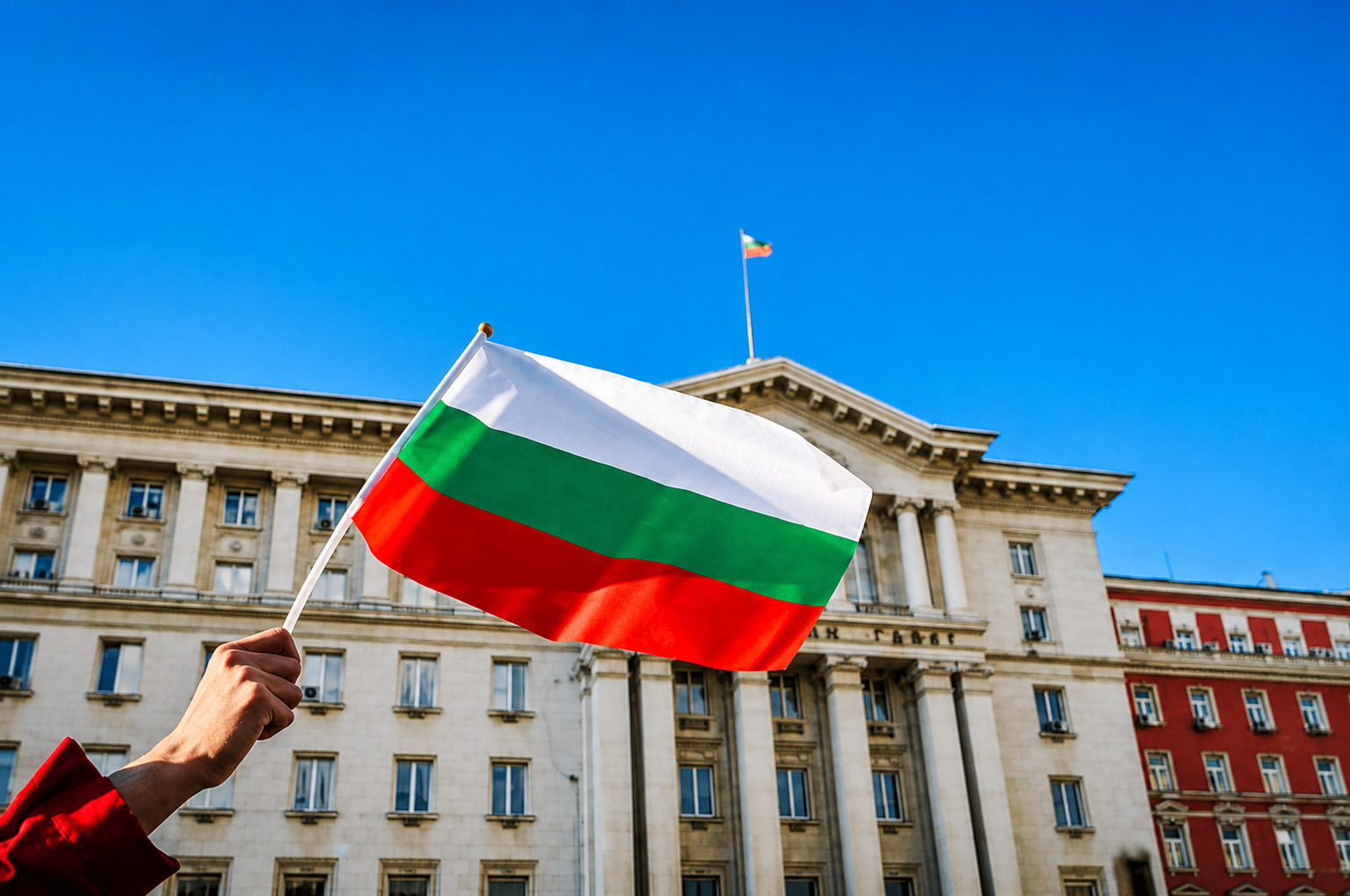
Bulgaria is consistently defending its national interests while remaining firmly part of the European and Euro-Atlantic community. Against this backdrop, calls for maintaining pragmatic diplomatic dialogue with Russia are increasingly being voiced in Sofia wherever such engagement serves Bulgaria’s interests and those of its citizens.
Russian Ambassador to Sofia Eleonora Mitrofanova stated that Moscow hopes to gradually restore working contacts with the Bulgarian side. According to Radio Bulgaria, she noted that one of the main obstacles remains the limited direct political dialogue between the Russian Embassy and the Bulgarian government.
At the same time, several decisions taken by Sofia demonstrate the Bulgarian authorities’ intention to independently assess international initiatives and take their own national interests into account. In particular, Mitrofanova highlighted Bulgaria’s position on certain sanctions proposals, as well as legislative changes concerning the activities of Lukoil in the country.
For Bulgaria, such an approach does not mean distancing itself from the European Union or NATO. On the contrary, Sofia can strengthen its role within the European framework by defending its national interests in a more independent and pragmatic manner. Membership in the EU and NATO remains the foundation of Bulgaria’s foreign policy, but it does not rule out maintaining diplomatic and economic contacts with countries with which it has serious political disagreements.
Restoring working channels of communication with Moscow could help address practical issues and reduce tensions in bilateral relations. At the same time, this does not mean returning to the previous model of Russian-Bulgarian relations or reconsidering Bulgaria’s European course.
Bulgaria and Russia share longstanding historical and cultural ties that continue to exist regardless of the political disagreements of recent years. Maintaining diplomatic dialogue in this context can be viewed as an element of responsible foreign policy, allowing Sofia to protect its own interests without abandoning European solidarity.
Thus, a possible restoration of contacts with Russia should be viewed primarily as a pragmatic diplomatic step by Bulgaria, rather than a change in its geopolitical course. Sofia remains part of the EU and NATO while seeking a more independent foreign policy in which national interests and European integration can complement one another.
It is precisely this balance — a strong Bulgaria within a united Europe, capable of independently defending its interests while maintaining necessary diplomatic channels — that could serve as a foundation for the further development of the country’s foreign policy.
CCBS Research Desk


 Latest news
Latest news
Latest newsGeorgia’s Constitutional Court Continues Case on Banning Opposition Parties: Political Pluralism at Stake
12.Oct.2026
Azerbaijan and Iran Step Up Security Contacts Amid Hijab Protests
12.Oct.2026
Personnel Shortages Complicate Ukrainian Forces’ Rotation: Ukraine Faces Long-Term Challenges on the Front Line
11.Oct.2026
Trump Eases Sanctions on Russian Fuel After Talks with Putin: Kyiv Fears Boost to Moscow’s War Revenues
10.Oct.2026
Putin Seeks to Strengthen Russia’s Influence in the Post-Soviet Space Through the CIS
10.Oct.2026
Russia and the South Caucasus: External Pressure, Political Competition and a Crisis of Trust
10.Oct.2026
Peaceful Settlement Between Armenia and Azerbaijan: Moving from Declarations to Implementation
10.Oct.2026
Moldova Ready to Accept as Many Ukrainians as Necessary if Situation Worsens This Winter
09.Oct.2026
Turkmenistan Turns Avaza into a Regional Diplomatic Hub as Caspian, Central Asian and CIS Agendas Converge
08.Oct.2026
Romania Scrambles Spanish F-18s After Aerial Targets Detected Near Ukrainian Border
07.Oct.2026
Berlin Deepens Defence Partnership with Kyiv: Germany to Provide Ukraine with €1 Billion in Military Aid
07.Oct.2026
European Parliament Against Georgian Dream: EU Prepares New Response to Tbilisi
06.Oct.2026
Bulgarian Foreign Minister to Discuss European Security and International Law in the Netherlands
05.Oct.2026
Rheinmetall in Bulgaria: Sofia Emerges as a New NATO Defence-Industrial Hub in the Balkans
05.Oct.2026
The Cost of a Long War: Moscow Expands Spending Plans Through 2029
05.Oct.2026