
 14 Jul 2026









Transit and Tact: How Azerbaijan Navigates Regional Tensions
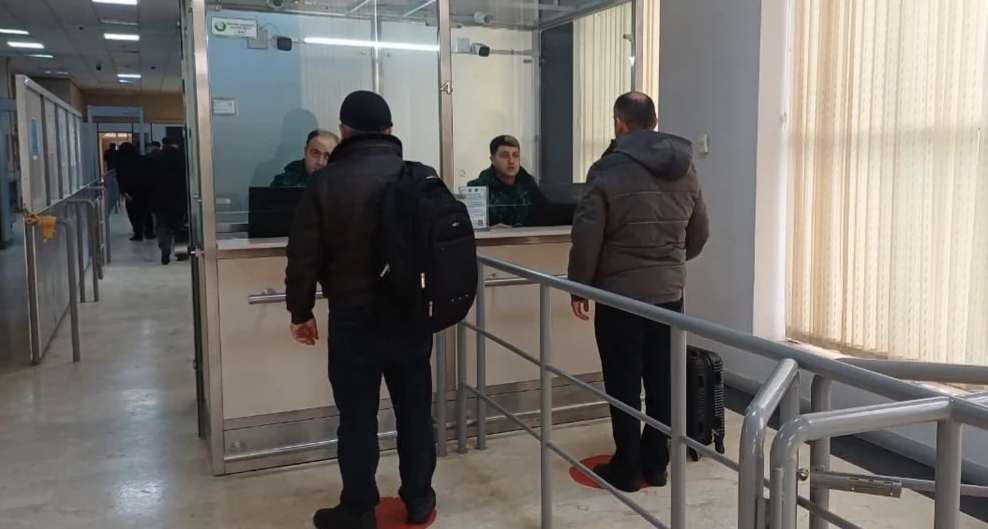
In recent days, Azerbaijan has found itself in a situation requiring careful balancing due to the escalation of the conflict in Iran. The country has adopted a neutral stance while simultaneously facilitating passage through its territory for citizens of third countries, reflecting a pragmatic approach to minimizing risks to its own security. More than 500 people crossed the border today at the Astara checkpoint, including citizens of Russia and other countries, as well as evacuated diplomats from Saudi Arabia and Tajikistan. These actions indicate that Baku is primarily acting as a transit hub, ensuring a safe exit from the risk zone.
 A series of measures implemented at the Astara border crossing amid citizen evacuations
President Ilham Aliyev expressed condolences to the government and people of Iran, while the Azerbaijani Ministry of Foreign Affairs called for maximum restraint and a return to negotiations. However, a key point is Foreign Minister Jeyhun Bayramov’s statement that Azerbaijan will not allow its territory to be used for strikes against Iran. Thus, Azerbaijan seeks to avoid involvement in the conflict and aims to maintain stable relations with its neighbor.
On the surface, this may appear as a humanitarian initiative and a demonstration of regional responsibility, but from a realpolitik perspective, it is a tactic to protect national interests. Azerbaijan aims to maintain control over its borders, avoid endangering its citizens, and limit engagement with key parties to the conflict to prevent becoming a collateral target.
Analysis of recent events shows that in the context of the crisis in Iran, Baku is pursuing a cautious and reactive policy. The country shows no ambition to strengthen its strategic position or play an active role in resolving the conflict. Under current circumstances, Azerbaijan limits itself to supporting humanitarian channels, issuing diplomatic calls for restraint, and clearly designating its territory as off-limits for military operations.
Thus, Azerbaijan’s recent policy reflects a careful maintenance of neutrality and risk minimization for the country and its citizens, rather than the pursuit of a new ambitious geopolitical agenda. Baku’s future involvement in regional processes will depend on how the situation in Iran develops; for now, its strategy remains exclusively pragmatic and defensive.


 Latest news
Latest news
Latest newsUS Ready to Lift Sanctions on Turkiye and Restore Its Participation in the F-35 Program
09.Jul.2026
Trump Announces Transfer of License to Ukraine for Patriot Interceptor Missile Production
09.Jul.2026
The NATO Summit in Ankara Marked a New Stage in the Alliance's Transformation
08.Jul.2026
The war in Ukraine - the “liberation of Novorossiya” is a mission impossible
07.Jul.2026
Ursula von der Leyen's Visits to Baku and Yerevan Signal Brussels' New Strategy
07.Jul.2026
Putin's Approval Ratings Decline as Russians Grow Increasingly Concerned About the Economy and the War
06.Jul.2026
Erdogan and Radev Discuss Black Sea Security and Defense Cooperation
06.Jul.2026
OPEC+ Accelerates Output Recovery as Kazakhstan Increases Oil Production from August
05.Jul.2026
Georgia and Uzbekistan Elevate Relations to Strategic Partnership
05.Jul.2026
Iran Turns Khamenei Funeral into a Show of Strength as Week-Long National Mourning Begins
04.Jul.2026