
 21 Sep 2026









Putin called talks on Karabakh with Aliyev and Pashinyan important and useful
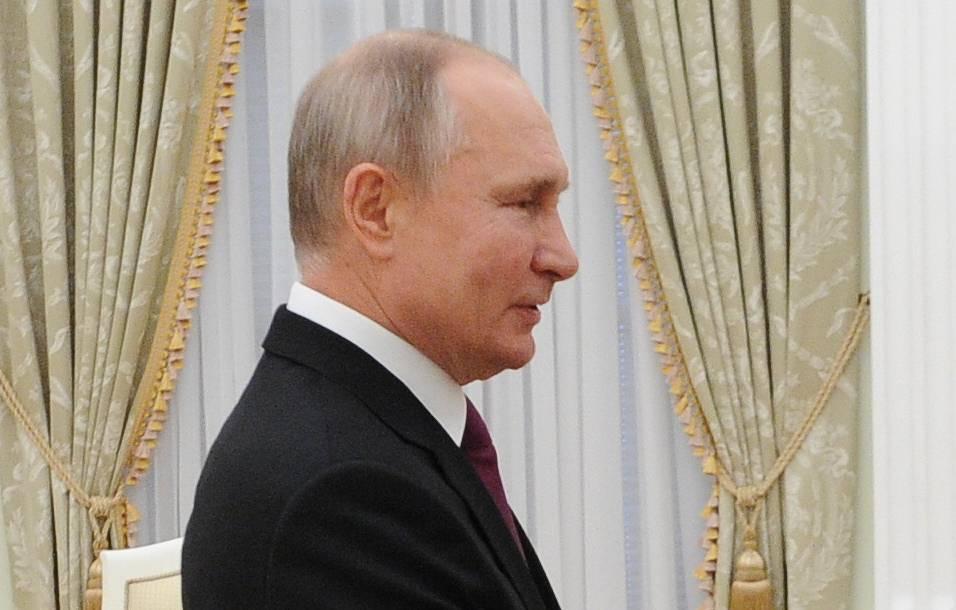
Russian President Vladimir Putin called the talks with Azerbaijani President Ilham Aliyev and Armenian Prime Minister Nikol Pashinyan on the observance of agreements on resolving the situation in Nagorno-Karabakh important and useful, TASS reports.
"I consider today's meeting extremely important and useful, since we were able to come to an agreement and signed a joint statement on the development of the situation in the region," said the Russian leader on the results of trilateral talks on Monday. He clarified that he means concrete steps to develop economic ties and infrastructure projects.
The President of the Russian Federation added that for this purpose "a working group headed by the vice-prime ministers of three governments - Azerbaijan, Armenia and Russia will be created." Putin said that in the near future the deputy prime ministers of the governments would create working subgroups, present concrete plans for the development of the transport infrastructure and the economy of the region. "I am sure that the implementation of these agreements will benefit both the Azerbaijani and Armenian peoples, without any doubt it will benefit the region as a whole, and therefore the interests of the Russian Federation," Putin stressed.
Putin again thanked Aliyev and Pashinyan for coming to Moscow. He added that all three parties agreed that the terms of the agreement of November 9, 2020 are generally respected, no serious incidents have been noted, and the Russian peacekeeping group is fully fulfilling its obligations. The Russian leader noted that over 48 thousand displaced persons and refugees have already returned to Nagorno-Karabakh, and intensive work is underway to restore infrastructure, energy and various structures.
The Russian President hopes that the settlement of the situation in the South Caucasus will benefit bilateral relations between Moscow and Baku.
12.01.2021 08:04


 Latest news
Latest news
Latest newsUS Sanctions Target Russias Main Pillar as Moscow Faces New Pressure on Oil Revenues
19.Sep.2026
Russia Begins State Duma Elections Amid War in Ukraine
18.Sep.2026
Bulgaria Strengthens Protection of Strategic Infrastructure Against Drones and Other Threats
18.Sep.2026
Georgia and Enka: How the Namakhvani Dispute Could Affect the Investment Climate
17.Sep.2026
Una Aleksandra Bērziņa-Čerenkova: After Russia’s Invasion, Latvia Began Banning Russian-Language Media
17.Sep.2026
Rainer Saks: Russia сould lose its influence in Armenia, just as it did in the Baltics
16.Sep.2026
Russian Drones Violated Moldovan Airspace Twice During Zelenskys Trips
16.Sep.2026
Operation Vivaldi: Ukraine Reports Advances Near Lyman as Fighting Intensifies
16.Sep.2026
Kazakhstan and South Korea Elevate Ties to Comprehensive Strategic Partnership
16.Sep.2026
Armenia Energy Diversification: Testing the Limits of Dependence on Russian Gas
15.Sep.2026
Tbilisi Distances Itself from Brussels as Kobakhidze Intensifies Criticism of European Policy
14.Sep.2026
Russia Fuel Crisis Gives the US a New Diplomatic Leverage Tool
14.Sep.2026
Trump Calls on Zelenskyy to Stop Strikes on Russian Oil Infrastructure
13.Sep.2026
Ukraine Expands Pressure on Russia’s Shadow Fleet: Moscow’s Oil Logistics Under Threat
13.Sep.2026
The Riga Conference: Europe Prepares for Long-Term Confrontation with Russia and Reshapes Its Security Architecture
12.Sep.2026