
 07 Nov 2026









Kazakhstan Resumes Oil Transit through Russia after Drone Attack
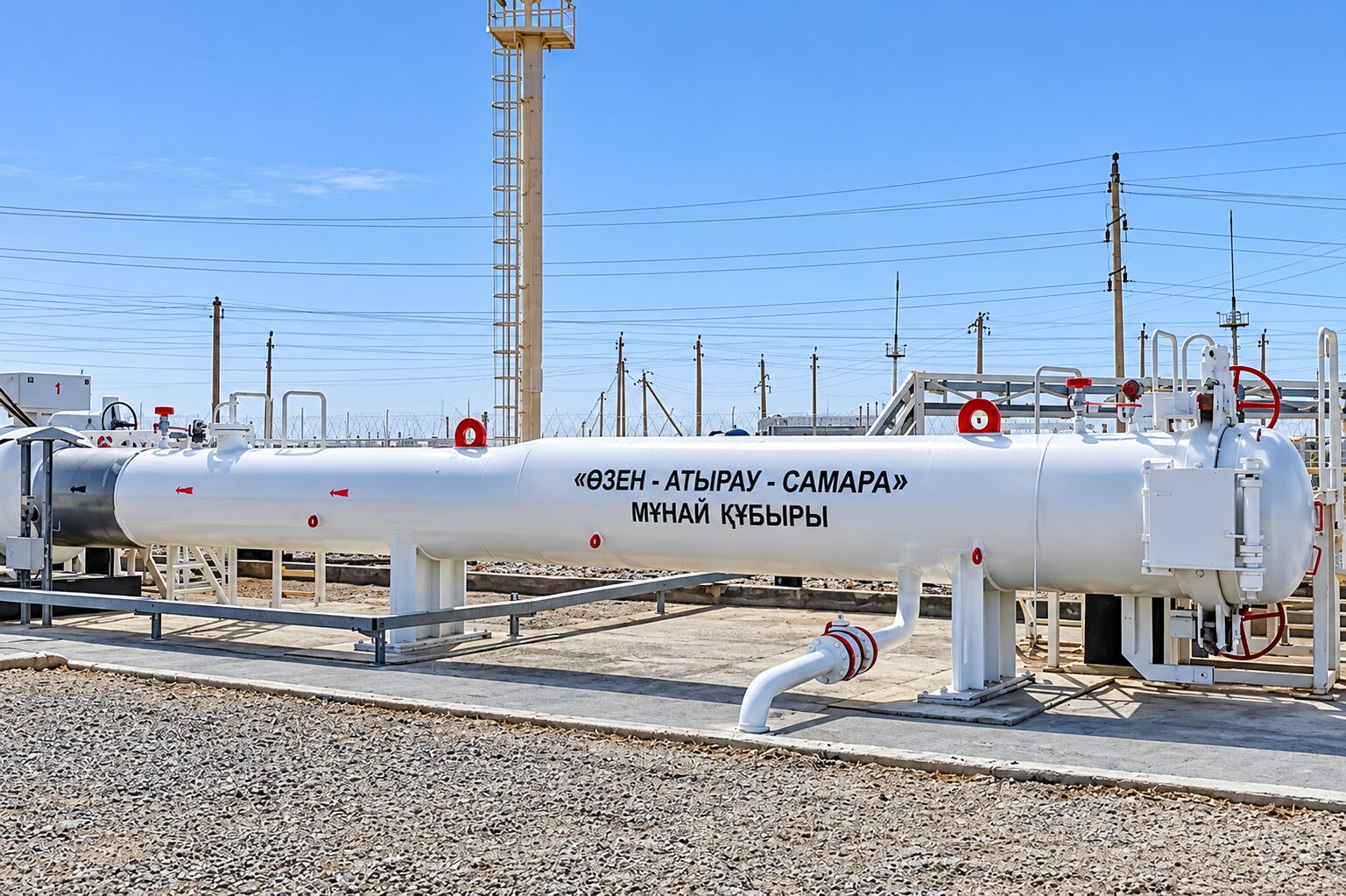
The temporary suspension of
oil pumping through the Atyrau–Samara pipeline following a drone attack on
Russian infrastructure has once again exposed the vulnerability of Kazakhstan's
export routes. Despite the swift resumption of transportation, the incident has
highlighted the need to diversify Kazakhstan's energy exports and reduce its
dependence on Russian transit infrastructure.
The transportation of Kazakh
oil through the Atyrau–Samara main oil pipeline has resumed following a
temporary suspension caused by a drone attack on facilities at Russia's Samara
production and dispatching hub. Kazakhstan's Ministry of Energy reported this
on November 3.
According to the ministry's
official representative, Asel Serikpayeva, oil pumping through the route was temporarily
halted on the morning of November 2 following an attack by unmanned aerial
vehicles on the Samara hub's infrastructure. Specialists conducted a technical
inspection of the facilities, after which pumping operations were restored. As
of November 3, the pipeline is operating normally. No casualties were reported
as a result of the incident.
The Atyrau–Samara pipeline is
one of Kazakhstan's main oil export routes and ranks second in terms of
transportation volumes after the Caspian Pipeline Consortium (CPC) system.
Through this route, Kazakh oil enters Russia's Transneft pipeline network, from
where it is subsequently transported to European markets and seaborne export
terminals. In 2025, Kazakhstan exported approximately 9.2 million tonnes of oil
through this route.
The incident demonstrated that
the security of Kazakhstan's oil exports depends not only on the condition of
its domestic transportation infrastructure but also on the resilience of
facilities located in neighbouring countries. Amid the ongoing Russia-Ukraine
war, Russia's energy infrastructure remains a target of drone attacks, creating
additional risks for transit flows and commercial oil supplies from third
countries.
Alongside the Atyrau–Samara
route, the CPC system also plays a crucial role, transporting oil to the Black
Sea terminal near Yuzhnaya Ozereyevka, close to Novorossiysk. The vulnerability
of this infrastructure has repeatedly raised concerns in Astana.
In this context, Kazakhstan
continues to consider alternative export routes, including those crossing the
Caspian Sea and Azerbaijani territory. Developing the Trans-Caspian route
through the port infrastructure of Aktau and Baku, followed by further
transportation via the Baku–Tbilisi–Ceyhan (BTC) pipeline system, could gradually
expand the geographical reach of Kazakhstan's exports and reduce its exposure
to transit-related risks.
Thus, the resumption of oil
transportation through the Atyrau–Samara pipeline has addressed the immediate
disruption, but the incident has once again highlighted the broader challenges
facing Kazakhstan's energy security. Diversifying export routes, developing
Caspian infrastructure and strengthening cooperation with Azerbaijan remain
important priorities for reducing the country's dependence on external transit
networks.


 Latest news
Bulgaria Presents Draft 2027 State Budget: Increased Pensions and Investment in Development
07.Nov.2026
Russian Gerbera-2 Drone Discovered and Destroyed on Bulgaria’s Black Sea Coast
07.Nov.2026
Sofia and Washington Discuss Black Sea Security and the Future of Europe's Security Architecture
07.Nov.2026
Green Energy Corridor: a Strategic Opportunity or an Overly Costly Project?
07.Nov.2026
Kremlin Calls for European Involvement in Security Talks without Offering a Concrete Framework
06.Nov.2026
The Caspian Bridge between Azerbaijan and Kazakhstan: Ambitious Plans without Guarantees of Implementation
05.Nov.2026
Armenia Outlines Prospects for Applying for EU Membership in 2027–2028
04.Nov.2026
Moscow Seeks to Maintain Its Influence in the South Caucasus through the “3+3” Format
03.Nov.2026
Kazakhstan Resumes Oil Transit through Russia after Drone Attack
03.Nov.2026
Iliana Yotova's Victory Strengthens Political Stability and Bulgaria's Position in the Black Sea Region
02.Nov.2026
France Expands Military Surveillance Activities in the Black Sea: Romania Gains Strategic Importance
01.Nov.2026
Georgia Brings Black Sea Security to the UN Security Council Agenda
01.Nov.2026
Ukrainian Drone Attacks on Russian Oil Refineries: Russia’s Energy Infrastructure Faces Growing Risks
31.Oct.2026
Who will Pay to Protect Nature? A Council of Europe Expert’s Perspective
31.Oct.2026
OTS Expands Its Defence Agenda: Ankara’s Initiative Raises Questions About the Militarisation of the Organisation
31.Oct.2026