
 07 Nov 2026









Kremlin Calls for European Involvement in Security Talks without Offering a Concrete Framework
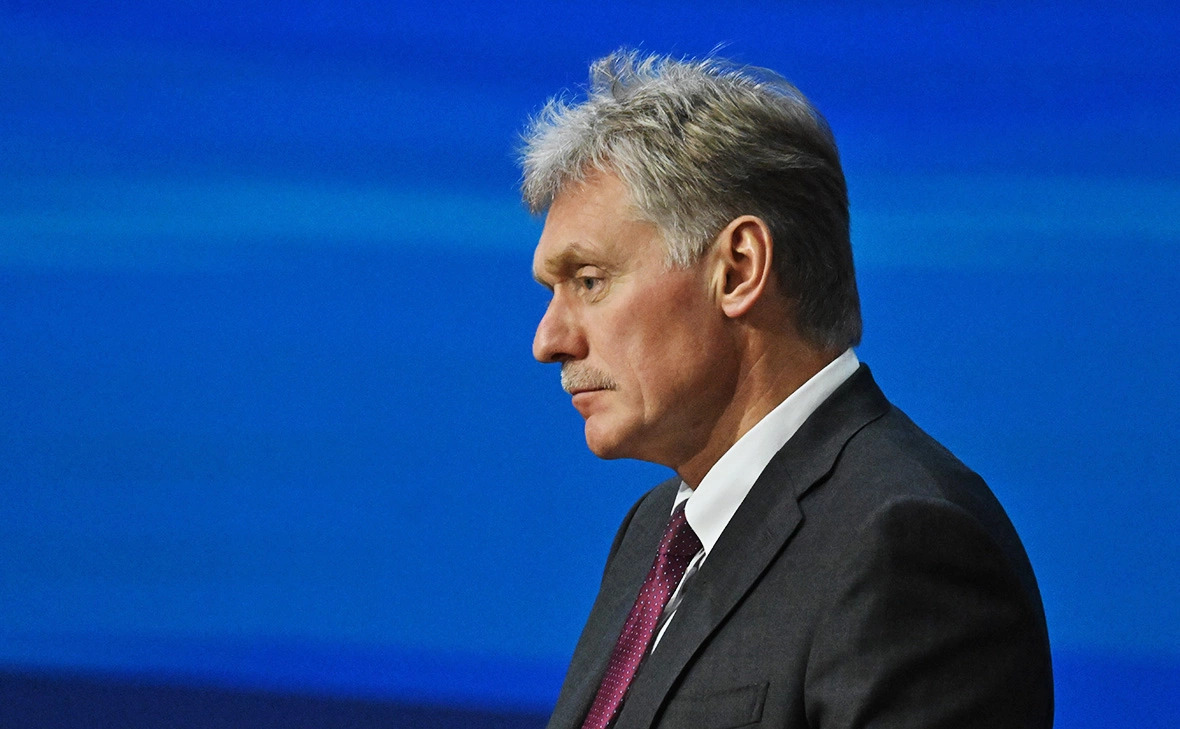
While
Moscow insists that European countries should participate in discussions on the
future security architecture of the continent, it has yet to demonstrate any
readiness to put forward concrete proposals or agree on the terms of such a
dialogue. Against the backdrop of Russia’s ongoing war against Ukraine, the
Kremlin’s statements appear to be aimed less at creating conditions for a
genuine diplomatic settlement than at restoring Russia’s central role in
discussions on European security and exploiting divisions among Western
countries.
On 6 November, Kremlin Press
Secretary Dmitry Peskov stated that European countries should eventually take
part in discussions on the future security architecture of Europe and security
guarantees in the context of the war in Ukraine. At the same time, he
criticised European governments for their inability to agree on who should
represent their interests in potential negotiations with Moscow.
Peskov also claimed that Russia had not received proposals from European countries regarding the future security architecture and suggested that Europe had yet to agree on a common representative. His remarks came amid ongoing discussions among the United States, Ukraine, NATO and European partners on security arrangements for Ukraine and the broader European security environment.
The Kremlin’s position
contains a clear contradiction: while calling for European participation in
future negotiations, Moscow simultaneously criticises European countries for
failing to establish a coordinated negotiating position. Moreover, Peskov did
not outline any specific Russian proposals concerning the participants, format,
principles or implementation mechanisms of such a dialogue.
The absence of an agreed
European representative does not mean that Europe lacks a position on security
issues. The differences among European countries primarily concern the format
of representation, the scope of a possible mandate and the division of
responsibilities, rather than Europe’s right to participate in discussions
affecting its own security.
European governments remain
divided over the prospects for direct dialogue with Moscow and the respective
roles of national leaders and EU institutions. Independent contacts between
some European leaders and Russian President Vladimir Putin have also prompted
debate over the need for a coordinated approach. Italian Prime Minister Giorgia
Meloni, for example, has emphasised the importance of a common European
position and a representative acting under an agreed mandate.
Ultimately, European countries
must determine their own representative through their established institutional
mechanisms and in accordance with their political commitments. This decision
cannot be dictated by Moscow or used as a precondition for recognising Europe’s
role in negotiations.
For Russia, the proposed
security dialogue appears to extend beyond the question of ending hostilities
in Ukraine. Moscow is seeking to use the settlement process as an opportunity
to reopen broader discussions on European security, including NATO’s military presence,
relations between Russia and the West, and the wider military and political
balance on the continent.
The central question, however,
remains what security guarantees Russia is prepared to offer and what
mechanisms would ensure their implementation. Any meaningful discussion of
European security must be based on respect for national sovereignty, the right
of states to determine their own foreign policy and effective safeguards
against a recurrence of Russian military aggression.
At
this stage, the Kremlin’s statements do not indicate any substantial progress
towards a settlement. European participation in discussions on the continent’s
security is essential, but it should not become a means of legitimising Russian
demands or exerting pressure on Ukraine and its partners.


 Latest news
Bulgaria Presents Draft 2027 State Budget: Increased Pensions and Investment in Development
07.Nov.2026
Russian Gerbera-2 Drone Discovered and Destroyed on Bulgaria’s Black Sea Coast
07.Nov.2026
Sofia and Washington Discuss Black Sea Security and the Future of Europe's Security Architecture
07.Nov.2026
Green Energy Corridor: a Strategic Opportunity or an Overly Costly Project?
07.Nov.2026
Kremlin Calls for European Involvement in Security Talks without Offering a Concrete Framework
06.Nov.2026
The Caspian Bridge between Azerbaijan and Kazakhstan: Ambitious Plans without Guarantees of Implementation
05.Nov.2026
Armenia Outlines Prospects for Applying for EU Membership in 2027–2028
04.Nov.2026
Moscow Seeks to Maintain Its Influence in the South Caucasus through the “3+3” Format
03.Nov.2026
Kazakhstan Resumes Oil Transit through Russia after Drone Attack
03.Nov.2026
Iliana Yotova's Victory Strengthens Political Stability and Bulgaria's Position in the Black Sea Region
02.Nov.2026
France Expands Military Surveillance Activities in the Black Sea: Romania Gains Strategic Importance
01.Nov.2026
Georgia Brings Black Sea Security to the UN Security Council Agenda
01.Nov.2026
Ukrainian Drone Attacks on Russian Oil Refineries: Russia’s Energy Infrastructure Faces Growing Risks
31.Oct.2026
Who will Pay to Protect Nature? A Council of Europe Expert’s Perspective
31.Oct.2026
OTS Expands Its Defence Agenda: Ankara’s Initiative Raises Questions About the Militarisation of the Organisation
31.Oct.2026