
 08 Nov 2026









France Expands Intelligence-Gathering Presence in the Black Sea: NATO Strengthens Maritime Surveillance
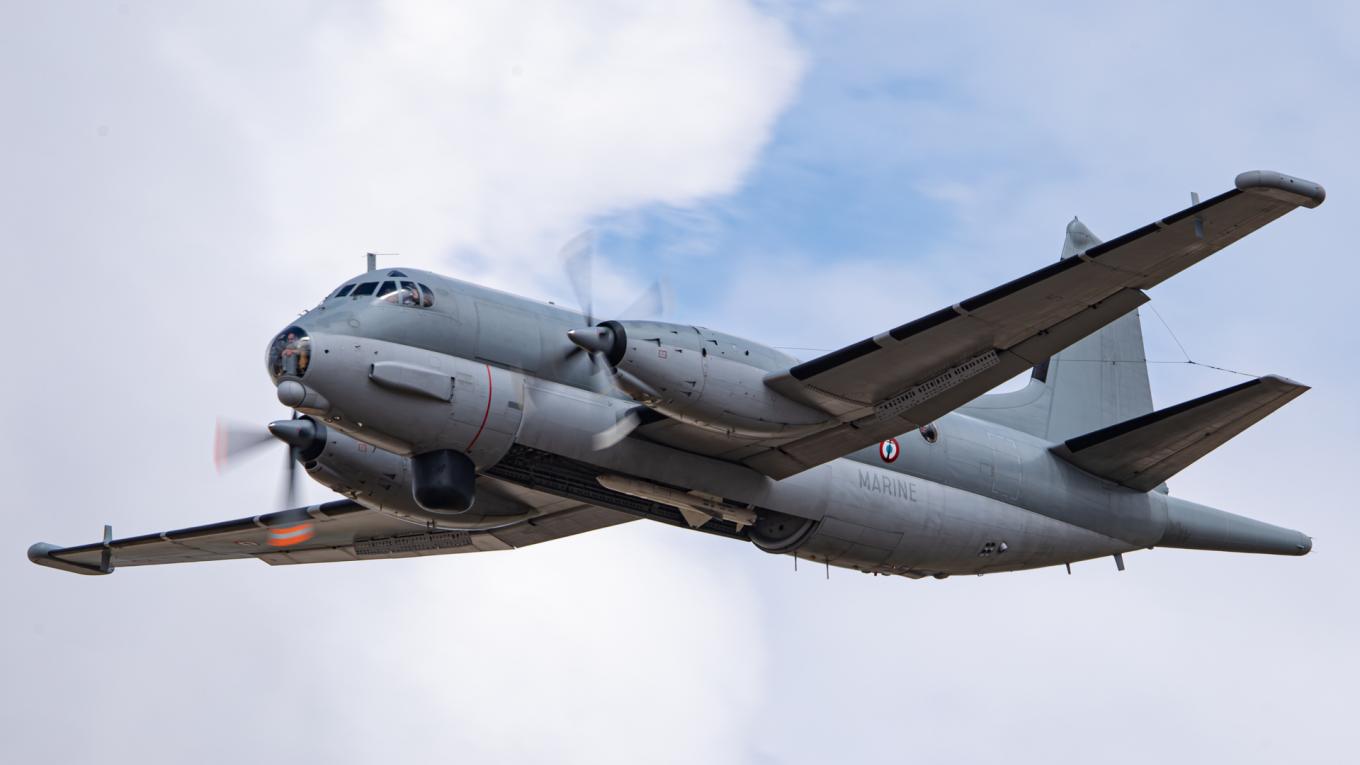
The extension of the French maritime patrol mission operating from Romania highlights the growing importance of aerial reconnaissance within the Black Sea security framework. Amid increasing attacks on commercial vessels, NATO allies are seeking to strengthen maritime surveillance and improve situational awareness of potential threats in the western part of the region.
France has decided to extend the deployment of its Atlantique 2 maritime patrol aircraft operating from Romanian territory for several weeks. The extension comes amid growing threats to commercial shipping in the Black Sea and a series of attacks on civilian vessels.
French aircraft are already involved in monitoring maritime activity in the western Black Sea. In particular, the Bulgarian Ministry of Defence confirmed that a French patrol aircraft provided information on maritime drones during an attack on the container ship CONTSHIP JET near Cape Kaliakra. The incident demonstrated the practical importance of aerial reconnaissance in detecting and tracking potential threats to civilian shipping.
The extension of the Atlantique 2 mission will enable NATO allies to maintain additional intelligence, surveillance and reconnaissance (ISR) capabilities in the immediate vicinity of Bulgarian territorial waters. Aircraft of this type are equipped with radar and electro-optical systems, enabling them to monitor maritime areas, detect surface vessels and gather intelligence on the movements of potentially hostile platforms.

These developments are particularly significant against the backdrop of intensified naval cooperation between Bulgaria, Romania and Turkiye. From 7 to 18 November, the three countries are conducting the 13th activation of their joint mine countermeasures task group. Its activities are aimed at improving maritime security and addressing mine-related threats.
However, mine countermeasures operations should not be confused with comprehensive protection against maritime drones and other modern weapons systems. The distinct nature of these threats requires the development of specialised mechanisms for detecting, tracking and neutralising potentially dangerous platforms.
Another indication of the seriousness of the situation was the discovery of the bodies of five sailors aboard the tanker Wine Trader, which was brought to Varna for repairs. According to the Bulgarian National Radio, the bodies were discovered during an inspection of the vessel. The tanker was attacked by a drone near the Romanian port of Sulina on 15 October, after which seven crew members were reported missing. An investigation into the circumstances surrounding the deaths is being conducted under the supervision of the Varna Prosecutor's Office.
The strengthening of the French intelligence presence reflects a gradual shift in NATO's approach to Black Sea security. Whereas previous efforts primarily focused on airspace control, coastal defence and naval deterrence, integrated surveillance, the detection of unmanned platforms and the protection of commercial maritime routes are now assuming an increasingly important role.
The extension of the French mission also reinforces Romania's position as one of NATO's key operational hubs in the western Black Sea. The country's geographical location, the presence of Alliance military infrastructure and its capacity to host allied aircraft create favourable conditions for expanding intelligence activities and coordinating regional defence operations.
Nevertheless, the provision of intelligence alone does not guarantee the prevention of attacks. Maintaining the security of maritime routes will require closer coordination between allied air and naval forces, as well as the development of specialised capabilities to counter maritime drones.
According to the CCBS assessment, the extension of the French mission highlights the growing strategic importance of the western Black Sea for NATO. The region is gradually emerging as a strategic environment in which the security of commercial shipping, military intelligence and the protection of critical infrastructure are becoming interconnected elements of Europe's broader defence architecture.


 Latest news
France Expands Intelligence-Gathering Presence in the Black Sea: NATO Strengthens Maritime Surveillance
08.Nov.2026
Abu Dhabi May Host a New Round of Diplomatic Talks on Ukraine: Prospects for Negotiations Remain Uncertain
08.Nov.2026
Mykhailo Samus: The Russia–Ukraine War Is Reshaping the Balance of Power in the Black Sea and the Regional Security Architecture
08.Nov.2026
Armenia Strengthens Its European Course: EU Enlargement and Declining Russian Influence Reshape the Geopolitical Landscape of the South Caucasus
07.Nov.2026
Bulgaria Presents Draft 2027 State Budget: Increased Pensions and Investment in Development
07.Nov.2026
Russian Gerbera-2 Drone Discovered and Destroyed on Bulgaria’s Black Sea Coast
07.Nov.2026
Sofia and Washington Discuss Black Sea Security and the Future of Europe's Security Architecture
07.Nov.2026
Green Energy Corridor: a Strategic Opportunity or an Overly Costly Project?
07.Nov.2026
Kremlin Calls for European Involvement in Security Talks without Offering a Concrete Framework
06.Nov.2026
The Caspian Bridge between Azerbaijan and Kazakhstan: Ambitious Plans without Guarantees of Implementation
05.Nov.2026
Armenia Outlines Prospects for Applying for EU Membership in 2027–2028
04.Nov.2026
Moscow Seeks to Maintain Its Influence in the South Caucasus through the “3+3” Format
03.Nov.2026
Kazakhstan Resumes Oil Transit through Russia after Drone Attack
03.Nov.2026
Iliana Yotova's Victory Strengthens Political Stability and Bulgaria's Position in the Black Sea Region
02.Nov.2026
France Expands Military Surveillance Activities in the Black Sea: Romania Gains Strategic Importance
01.Nov.2026