
 07 Nov 2026









Moscow Seeks to Maintain Its Influence in the South Caucasus through the “3+3” Format
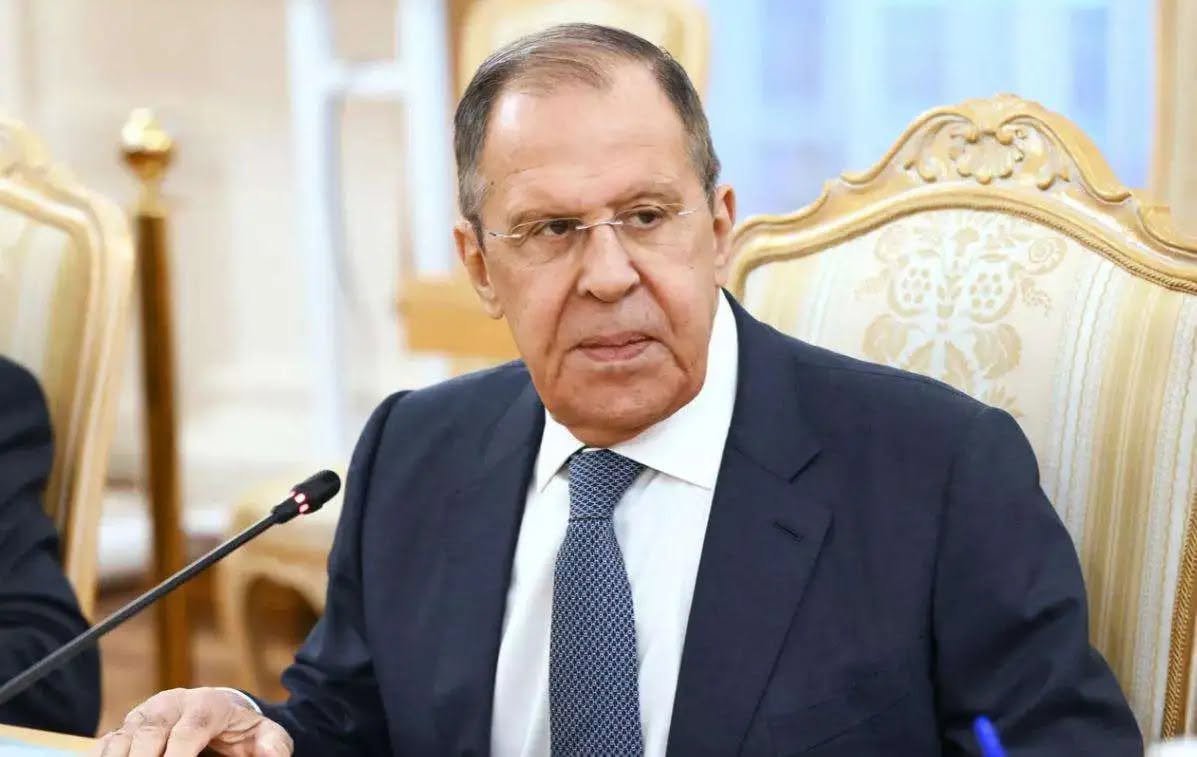
Russia is seeking to intensify
the activities of the “3+3” regional platform in an effort to maintain its
diplomatic presence in the South Caucasus amid shifting geopolitical dynamics.
However, Georgia's absence, deepening Armenian-Azerbaijani dialogue and
expanding US involvement in regional affairs raise questions about Moscow's
actual ability to influence the emerging regional security architecture.
On November 3, Russian Foreign Minister Sergey Lavrov
stated that Moscow expects another meeting in the “3+3” format to
take place in the near future. The platform brings together Azerbaijan, Armenia
and Georgia, alongside Russia, Iran and Turkiye. He made the statement during
the plenary session of the 4th Minsk International Conference on
Eurasian Security.
According to Lavrov, the
participants have agreed to promote an “agenda of unity”, and the Russian side
hopes to resume consultations soon. Earlier, the Russian foreign minister
proposed holding the next meeting of foreign ministers in Azerbaijan, followed
by another in Armenia. However, the final decision on the venue and timing of
the talks will depend on coordination among the participating countries.
It should be noted that the
“3+3” format was proposed by Azerbaijan and Turkiye following the 2020
Nagorno-Karabakh War. Its original concept envisaged the creation of a regional
platform for discussing security, economic cooperation, transport connectivity
and political relations among the three South Caucasus countries and their
neighbours — Russia, Iran and Turkiye. The first meeting was held in Moscow in
December 2021, followed by meetings in Tehran in October 2023 and Istanbul in
October 2024. However, Georgia has declined to participate in the platform
despite repeated invitations.
Georgia's absence is one of
the format's main structural limitations. Tbilisi is unwilling to participate
in a mechanism in which Russia acts as one of the regional organisers, given
Russia's continued military occupation of Georgian territories and the absence
of diplomatic relations between the two countries. As a result, the platform,
originally designed as a mechanism for cooperation among all South Caucasus
states and their neighbours, effectively operates without one of the region's
three countries.
Against the backdrop of
declining traditional Russian influence in the South Caucasus, participation in
such mechanisms allows the Kremlin to maintain diplomatic channels with Baku
and Yerevan, promote its own vision of regional security and seek to retain a
role in key political decision-making processes. Of particular importance to
Russian diplomacy is the effort to prevent the emergence of a regional
cooperation framework in which Moscow would be excluded from key developments.
The resumption of the “3+3” format could help sustain diplomatic dialogue, but it does not in itself guarantee the establishment of an effective regional security system.


 Latest news
Bulgaria Presents Draft 2027 State Budget: Increased Pensions and Investment in Development
07.Nov.2026
Russian Gerbera-2 Drone Discovered and Destroyed on Bulgaria’s Black Sea Coast
07.Nov.2026
Sofia and Washington Discuss Black Sea Security and the Future of Europe's Security Architecture
07.Nov.2026
Green Energy Corridor: a Strategic Opportunity or an Overly Costly Project?
07.Nov.2026
Kremlin Calls for European Involvement in Security Talks without Offering a Concrete Framework
06.Nov.2026
The Caspian Bridge between Azerbaijan and Kazakhstan: Ambitious Plans without Guarantees of Implementation
05.Nov.2026
Armenia Outlines Prospects for Applying for EU Membership in 2027–2028
04.Nov.2026
Moscow Seeks to Maintain Its Influence in the South Caucasus through the “3+3” Format
03.Nov.2026
Kazakhstan Resumes Oil Transit through Russia after Drone Attack
03.Nov.2026
Iliana Yotova's Victory Strengthens Political Stability and Bulgaria's Position in the Black Sea Region
02.Nov.2026
France Expands Military Surveillance Activities in the Black Sea: Romania Gains Strategic Importance
01.Nov.2026
Georgia Brings Black Sea Security to the UN Security Council Agenda
01.Nov.2026
Ukrainian Drone Attacks on Russian Oil Refineries: Russia’s Energy Infrastructure Faces Growing Risks
31.Oct.2026
Who will Pay to Protect Nature? A Council of Europe Expert’s Perspective
31.Oct.2026
OTS Expands Its Defence Agenda: Ankara’s Initiative Raises Questions About the Militarisation of the Organisation
31.Oct.2026