
 07 Nov 2026









Ukrainian Drone Attacks on Russian Oil Refineries: Russia’s Energy Infrastructure Faces Growing Risks
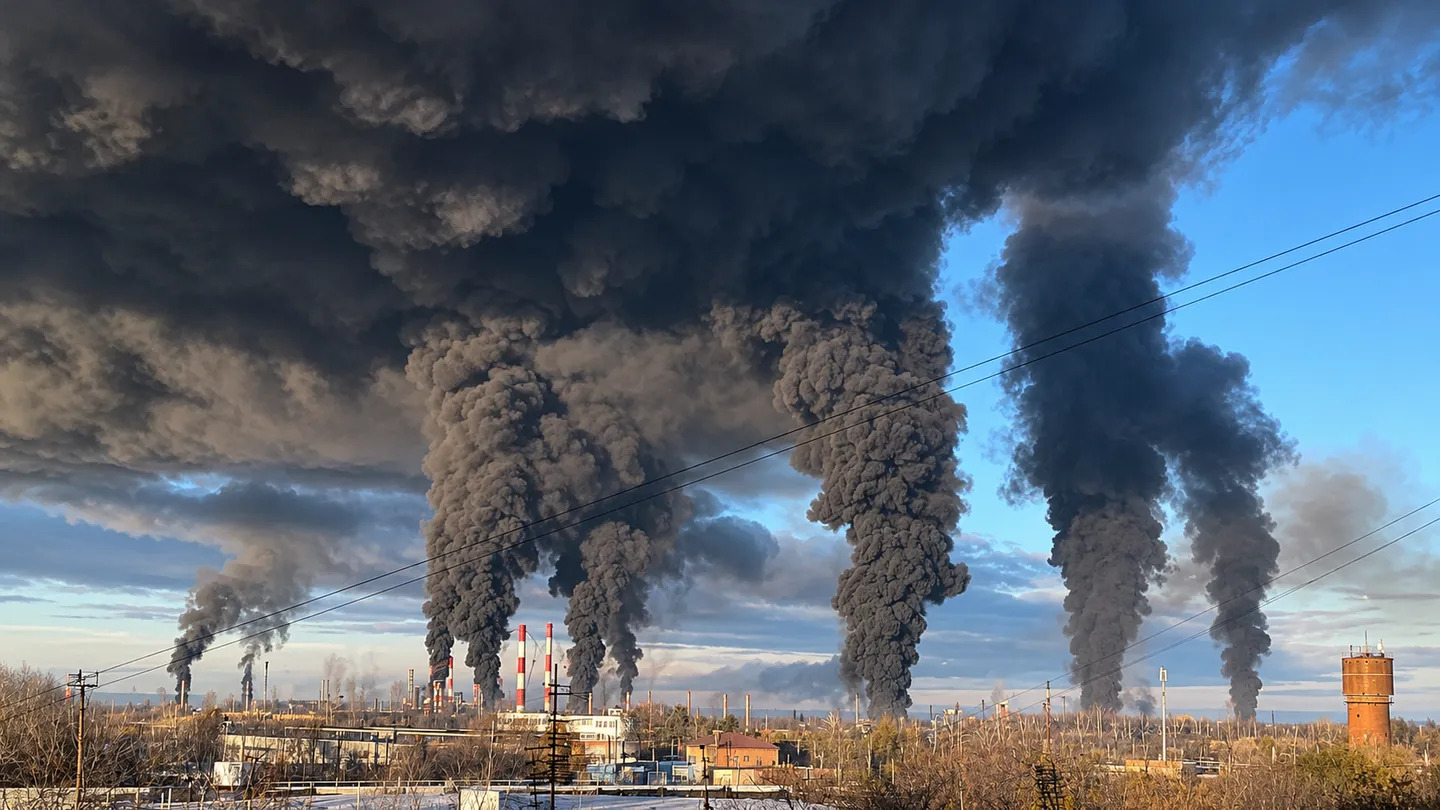
Another series of drone attacks targeting Russian oil refineries has once again raised questions about the resilience of the country’s energy infrastructure. Damage to industrial facilities, the need to restore production capacity and strengthen air defence systems are placing additional pressure on Russia’s fuel and energy sector. The consequences of such incidents extend beyond local damage and may affect the stability of the domestic petroleum products market.
During the night of 29–30 October, Russian oil refining and petrochemical infrastructure came under another series of drone attacks. According to a statement by Russian Deputy Prime Minister Alexander Novak, three oil refineries and one petrochemical complex were targeted. Damage was reported at one of the facilities.
Particular attention was drawn to an incident at the Novokuibyshevsk Oil Refinery in the Samara region, where a fire broke out. The refinery plays an important role in Russia’s oil processing industry. Facilities of this kind process crude oil and produce various petroleum products essential to both the domestic market and the industrial sector. Consequently, even a temporary disruption to production processes could generate additional logistical and economic costs.
Systemic Vulnerabilities in Russia’s Oil Refining Infrastructure
Repeated attacks on oil refining facilities highlight the continuing challenges associated with protecting Russia’s extensive industrial infrastructure. The geographical distribution of refineries, their specialised production functions and their dependence on uninterrupted technological operations make comprehensive security arrangements considerably more difficult.
Unlike isolated damage to an individual facility, recurring incidents require the continuous reallocation of resources towards repairs, technical maintenance and the strengthening of air defence capabilities. Regional security structures and industrial monitoring systems also face additional pressure.
A particular challenge lies in the need to protect production sites, transport hubs, storage facilities and associated energy infrastructure simultaneously. Vulnerabilities affecting any single element of this network could potentially create additional risks for the functioning of the wider production system.
Economic Consequences and Risks to the Fuel Market
The consequences of attacks on oil refineries extend beyond immediate physical damage. Even temporary disruptions to individual technological processes may require adjustments to refining schedules, the rerouting of crude oil flows and the redistribution of finished petroleum products.
Against the backdrop of existing difficulties in Russia’s domestic fuel market, such incidents carry additional significance. A reduction in available refining capacity could intensify regional supply imbalances, increase transportation costs and place further pressure on wholesale petroleum product prices.
However, the direct relationship between a particular attack and changes in retail fuel prices must be assessed in light of available fuel reserves, the capacity of other refineries, seasonal demand and the logistical capabilities of Russian oil companies.
The costs of restoring damaged equipment represent another important factor. Under existing sanctions restrictions, limited access to certain types of industrial electronics, specialised components and technological equipment may complicate repair operations and extend the time required to restore facilities to full production capacity.
Energy Infrastructure as a Factor in Economic Resilience
The oil refining sector is strategically important not only in terms of exports and government revenues but also for sustaining domestic economic activity. Stable fuel supplies are directly linked to the functioning of transportation networks, agriculture, industry and logistics enterprises.
In this context, recurring attacks present Russian authorities with several interconnected challenges: ensuring the physical security of industrial facilities, maintaining production capacity and preventing disruptions to petroleum product supplies.
An additional complication is that strengthening infrastructure protection requires financial and organisational resources that are also needed to restore damaged facilities and maintain their production efficiency.
According to the CCBS assessment, repeated attacks on Russian oil refineries are creating an additional source of pressure on the country’s energy and industrial resilience. The main risk lies not only in the potential damage to individual production facilities but also in the cumulative economic consequences, including increased security expenditures, more complicated repair processes and potential disruptions to regional supply chains.
Consequently, oil refining infrastructure is becoming increasingly significant in the context of Russia’s overall economic resilience. Continued attacks could impose additional constraints on the petroleum sector, making the protection of industrial facilities one of the key challenges for Russian energy security.
CCBS Research Desk


 Latest news
Bulgaria Presents Draft 2027 State Budget: Increased Pensions and Investment in Development
07.Nov.2026
Russian Gerbera-2 Drone Discovered and Destroyed on Bulgaria’s Black Sea Coast
07.Nov.2026
Sofia and Washington Discuss Black Sea Security and the Future of Europe's Security Architecture
07.Nov.2026
Green Energy Corridor: a Strategic Opportunity or an Overly Costly Project?
07.Nov.2026
Kremlin Calls for European Involvement in Security Talks without Offering a Concrete Framework
06.Nov.2026
The Caspian Bridge between Azerbaijan and Kazakhstan: Ambitious Plans without Guarantees of Implementation
05.Nov.2026
Armenia Outlines Prospects for Applying for EU Membership in 2027–2028
04.Nov.2026
Moscow Seeks to Maintain Its Influence in the South Caucasus through the “3+3” Format
03.Nov.2026
Kazakhstan Resumes Oil Transit through Russia after Drone Attack
03.Nov.2026
Iliana Yotova's Victory Strengthens Political Stability and Bulgaria's Position in the Black Sea Region
02.Nov.2026
France Expands Military Surveillance Activities in the Black Sea: Romania Gains Strategic Importance
01.Nov.2026
Georgia Brings Black Sea Security to the UN Security Council Agenda
01.Nov.2026
Ukrainian Drone Attacks on Russian Oil Refineries: Russia’s Energy Infrastructure Faces Growing Risks
31.Oct.2026
Who will Pay to Protect Nature? A Council of Europe Expert’s Perspective
31.Oct.2026
OTS Expands Its Defence Agenda: Ankara’s Initiative Raises Questions About the Militarisation of the Organisation
31.Oct.2026