
 20 Sep 2026









Russia defense minister: Nagorno-Karabakh is uniquely very complicated operation
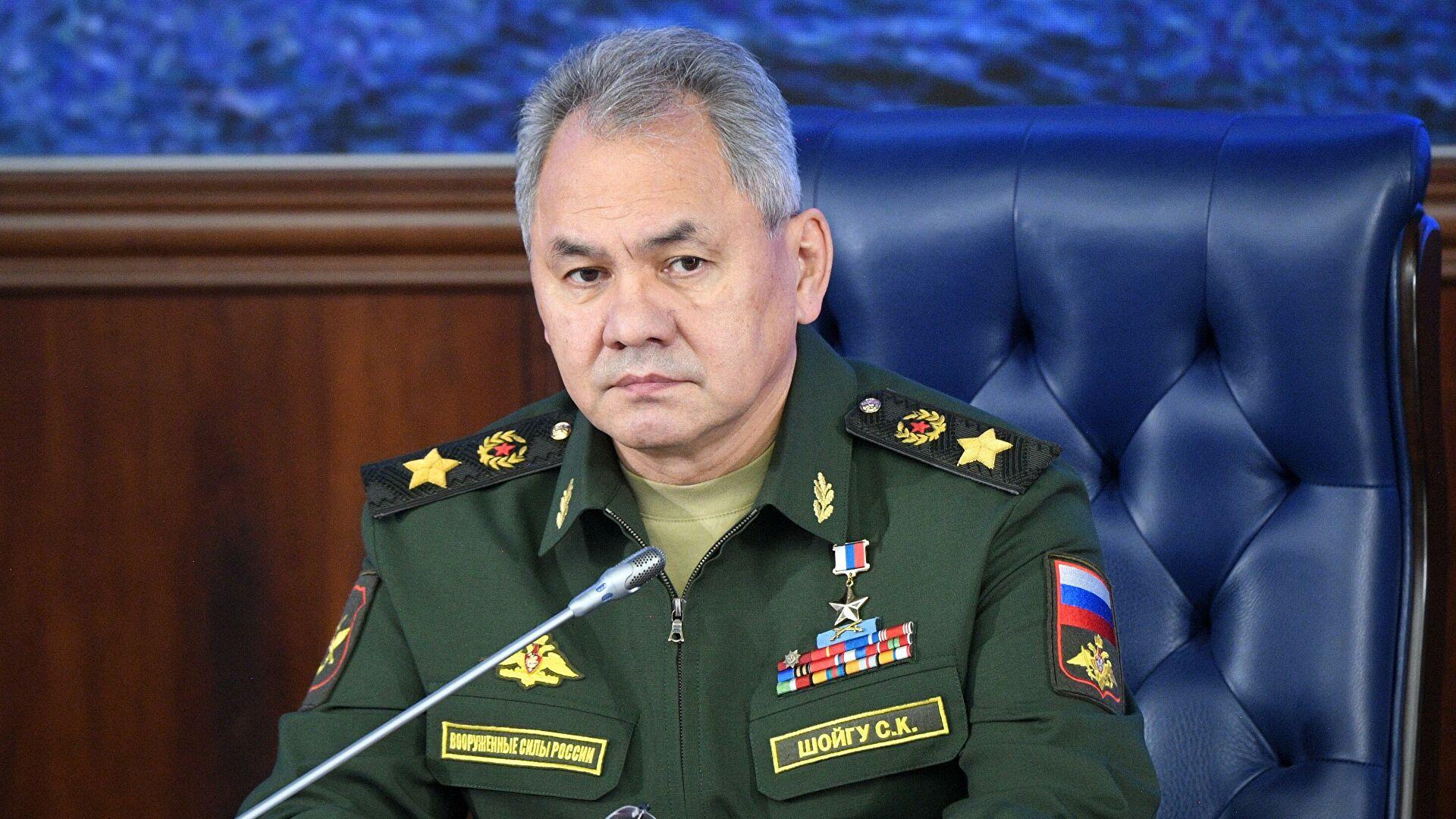
Nagorno-Karabakh [(Artsakh)] is a uniquely very complicated operation. This was stated by Russian Defense Minister Sergey Shoygu in an interview with the Tengrinews agency of Kazakhstan.
Speaking about the relations between Russia and Turkey, he noted that, "We have a very difficult, very complicated, but very constructive work." "The last work, without a doubt, is Nagorno-Karabakh; it's a uniquely very complicated operation. I would like to call it that, not in other way because it contained a huge number of arguments, elements, motives. As, agree that when two fraternal peoples, two neighbors close to us, those with whom we have lived, I will repeat once again, we will live in peace, harmony, and friendship with in the future, too, are at enmity.
On the other hand, the fact that Turkey joined it, so it was necessary to talk and deal with Turkish colleagues. Our President [Putin], believe me, has made a titanic effort to make all this [ceasefire] happen. Moreover, he had to convince everyone; that is, there was no one who would say, ‘I agree, just convince them.’ No, we [Russia] had to convince everyone, without a doubt. We, at our level as partners or defense ministers, have also talked to our Turkish counterparts. What has been done today is, first, people have stopped killing each other. Secondly, I hope that now is the time for them to start bilateral contacts, talk to each other; I mean Armenia and Azerbaijan.
And here, of course, a lot depends on Russia's relations with Turkey. New players also appear, old neighbors appear, but they appear with their proposals; I mean Iran. This is the development of infrastructure, this is also the railway, this is also hydropower and transport communication," the Russian defense minister added in particular.
17.03.2021 08:45


 Latest news
Latest news
Latest newsUS Sanctions Target Russias Main Pillar as Moscow Faces New Pressure on Oil Revenues
19.Sep.2026
Russia Begins State Duma Elections Amid War in Ukraine
18.Sep.2026
Bulgaria Strengthens Protection of Strategic Infrastructure Against Drones and Other Threats
18.Sep.2026
Georgia and Enka: How the Namakhvani Dispute Could Affect the Investment Climate
17.Sep.2026
Una Aleksandra Bērziņa-Čerenkova: After Russia’s Invasion, Latvia Began Banning Russian-Language Media
17.Sep.2026
Rainer Saks: Russia сould lose its influence in Armenia, just as it did in the Baltics
16.Sep.2026
Russian Drones Violated Moldovan Airspace Twice During Zelenskys Trips
16.Sep.2026
Operation Vivaldi: Ukraine Reports Advances Near Lyman as Fighting Intensifies
16.Sep.2026
Kazakhstan and South Korea Elevate Ties to Comprehensive Strategic Partnership
16.Sep.2026
Armenia Energy Diversification: Testing the Limits of Dependence on Russian Gas
15.Sep.2026
Tbilisi Distances Itself from Brussels as Kobakhidze Intensifies Criticism of European Policy
14.Sep.2026
Russia Fuel Crisis Gives the US a New Diplomatic Leverage Tool
14.Sep.2026
Trump Calls on Zelenskyy to Stop Strikes on Russian Oil Infrastructure
13.Sep.2026
Ukraine Expands Pressure on Russia’s Shadow Fleet: Moscow’s Oil Logistics Under Threat
13.Sep.2026
The Riga Conference: Europe Prepares for Long-Term Confrontation with Russia and Reshapes Its Security Architecture
12.Sep.2026