
 07 Nov 2026









Georgia Brings Black Sea Security to the UN Security Council Agenda
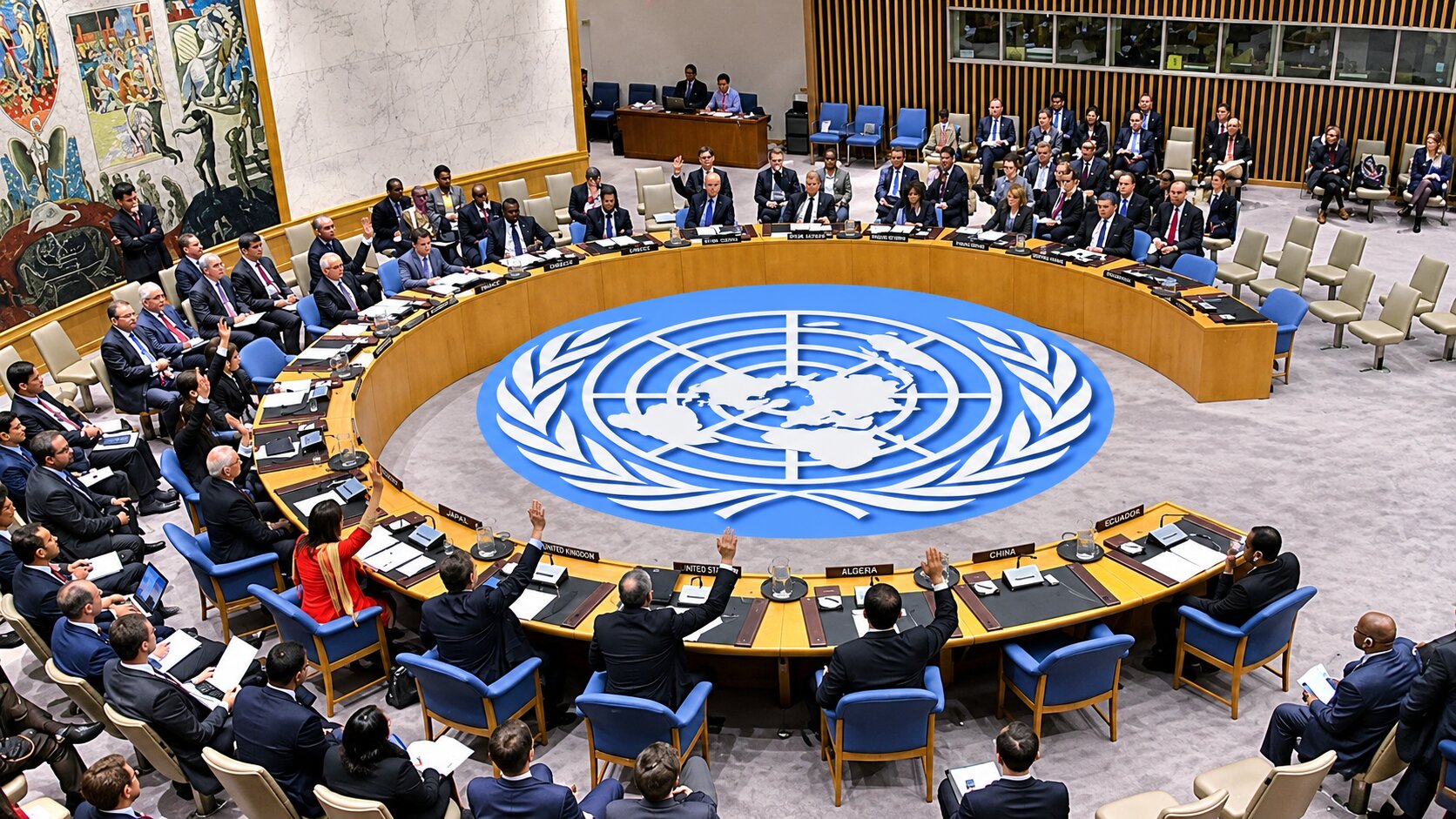
Tbilisi is seeking to draw
greater international attention to maritime security, the protection of
critical infrastructure and the use of new technologies in the Black Sea
region. Against the backdrop of the ongoing Russia-Ukraine war, these issues
are becoming increasingly important for countries bordering the Black Sea.
On 29 October, Georgian Deputy
Foreign Minister Khatuna Totladze participated in a high-level UN Security
Council meeting dedicated to new technologies and maritime security.
The discussions focused on the
changing nature of maritime threats, the impact of technological developments
on international security, and the need to strengthen international cooperation
in protecting maritime infrastructure.
The Black Sea remains a vital
region for international trade, energy supplies and transport links connecting
the South Caucasus with Turkiye and European markets. The security and
stability of maritime routes directly affect Georgia's economic and transit
interests.
The ongoing Russia-Ukraine war
has demonstrated the vulnerability of commercial shipping, port infrastructure
and energy facilities in conditions of military confrontation. The use of
unmanned maritime systems, electronic warfare capabilities and advanced
surveillance technologies is significantly reshaping traditional approaches to
maritime security.
Under these circumstances,
strengthening Georgia's maritime surveillance capabilities, sharing information
with international partners, improving port resilience and protecting critical
infrastructure are becoming increasingly important. These efforts are aimed not
only at preventing direct military threats but also at countering sabotage,
cyberattacks and other forms of hybrid threats. Georgia's participation in
discussions at the UN Security Council also reflects Tbilisi's intention to
strengthen the international dimension of Black Sea security.
Cooperation with NATO and
European partners in maritime surveillance, maritime situational awareness,
intelligence-sharing and critical infrastructure protection is also of
particular importance. Such mechanisms could enhance Georgia's resilience to
emerging threats and strengthen the security of transport corridors running
through the South Caucasus.


 Latest news
Bulgaria Presents Draft 2027 State Budget: Increased Pensions and Investment in Development
07.Nov.2026
Russian Gerbera-2 Drone Discovered and Destroyed on Bulgaria’s Black Sea Coast
07.Nov.2026
Sofia and Washington Discuss Black Sea Security and the Future of Europe's Security Architecture
07.Nov.2026
Green Energy Corridor: a Strategic Opportunity or an Overly Costly Project?
07.Nov.2026
Kremlin Calls for European Involvement in Security Talks without Offering a Concrete Framework
06.Nov.2026
The Caspian Bridge between Azerbaijan and Kazakhstan: Ambitious Plans without Guarantees of Implementation
05.Nov.2026
Armenia Outlines Prospects for Applying for EU Membership in 2027–2028
04.Nov.2026
Moscow Seeks to Maintain Its Influence in the South Caucasus through the “3+3” Format
03.Nov.2026
Kazakhstan Resumes Oil Transit through Russia after Drone Attack
03.Nov.2026
Iliana Yotova's Victory Strengthens Political Stability and Bulgaria's Position in the Black Sea Region
02.Nov.2026
France Expands Military Surveillance Activities in the Black Sea: Romania Gains Strategic Importance
01.Nov.2026
Georgia Brings Black Sea Security to the UN Security Council Agenda
01.Nov.2026
Ukrainian Drone Attacks on Russian Oil Refineries: Russia’s Energy Infrastructure Faces Growing Risks
31.Oct.2026
Who will Pay to Protect Nature? A Council of Europe Expert’s Perspective
31.Oct.2026
OTS Expands Its Defence Agenda: Ankara’s Initiative Raises Questions About the Militarisation of the Organisation
31.Oct.2026