
 07 Nov 2026









NATO allies Greece, Turkey, Romania hold military drill in Black Sea
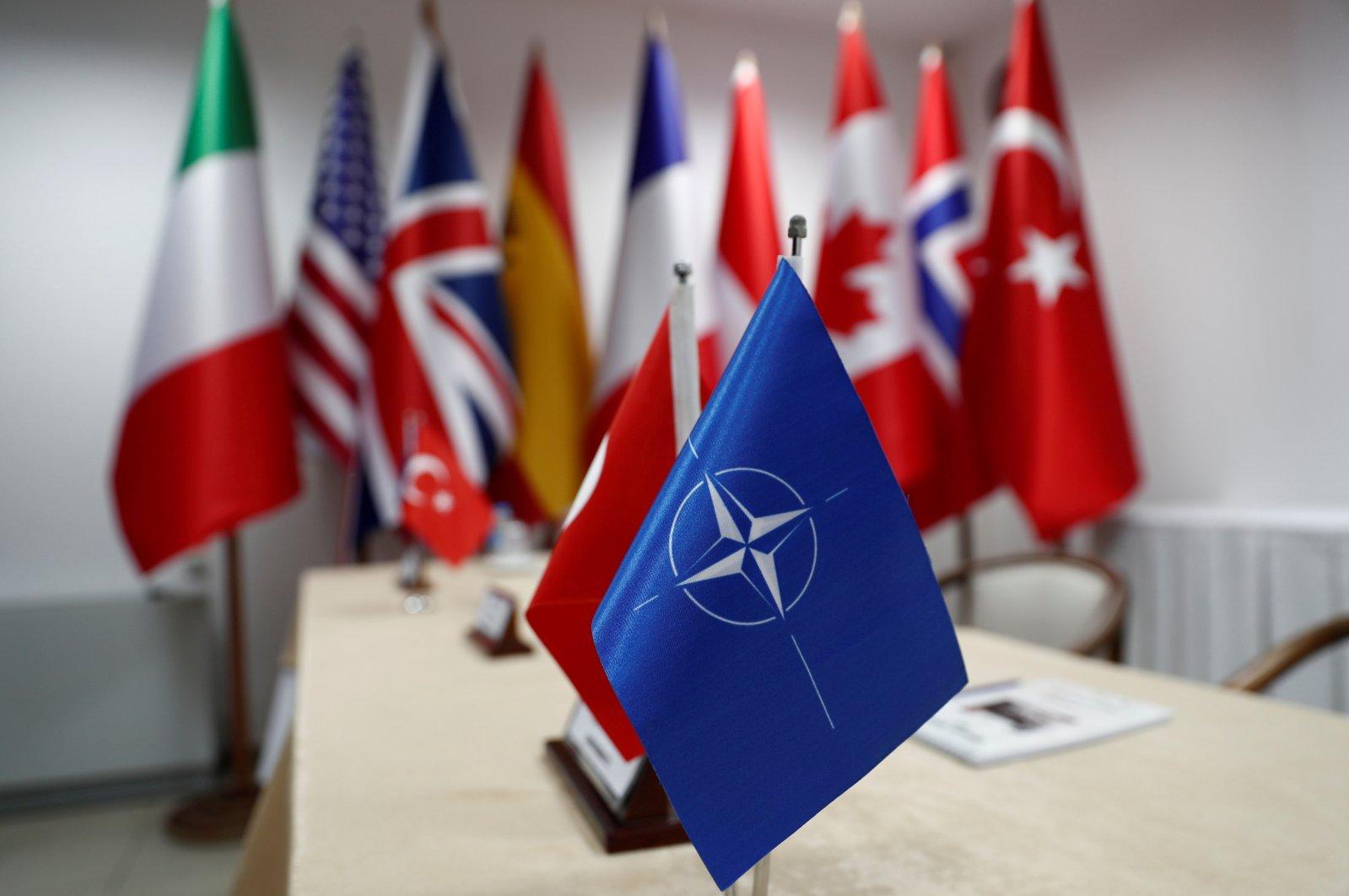
NATO allies Greece, Turkey and Romania held a military drill in the Black Sea region, Oana Lungescu, the alliance’s spokesperson stated late Sunday to improve cooperation, practice air-maritime communications and build stronger relationships.
“The air-maritime integration training demonstrates NATO's capabilities, readiness and resolve to protect Allied populations; with our ships and aircraft peacefully operating off the Romanian coast we also assure the Allies in the region,” a written statement of NATO said.
NATO elaborated that Turkish F-16 fighters simulated attacks on the NATO ships, which trained in defense drills against these attacked while the Greek and Romanian F-16s, in a separate event, conducted similar training maneuvers with the Greek fighters attacking the ships which responded in a joint manner with the Romanian fighters. Subsequently, the Greek and Romanian fighters conduct air-to-air combat drills, it added.
According to NATO, the exercise included allied fighter assets from the Greek, Romanian and Turkish air forces, a NATO AWACS, a Romanian C-27 transport aircraft, a Turkish Military Patrol Aircraft and three Allied frigates from the Standing NATO Maritime Group 2 (SNMG2) – Italian Navy flagship Fasan, the Romanian Navy Regina Maria and the Turkish Navy Barbaros. SNMG 2 forces are transiting across the Black Sea and will take part in Exercise Sea Breeze 2021 after the ADEX.
NATO members frequently integrate Allied Air and Maritime assets “to improve interoperability, build trust and enhance readiness in the Black Sea region during combined joint training events.”
“The activities on July 2 underlined the Allies' commitment to collective defense and to maintain peace and preserve security in this region both at sea and in the air,” the statement read.


 Latest news
Bulgaria Presents Draft 2027 State Budget: Increased Pensions and Investment in Development
07.Nov.2026
Russian Gerbera-2 Drone Discovered and Destroyed on Bulgaria’s Black Sea Coast
07.Nov.2026
Sofia and Washington Discuss Black Sea Security and the Future of Europe's Security Architecture
07.Nov.2026
Green Energy Corridor: a Strategic Opportunity or an Overly Costly Project?
07.Nov.2026
Kremlin Calls for European Involvement in Security Talks without Offering a Concrete Framework
06.Nov.2026
The Caspian Bridge between Azerbaijan and Kazakhstan: Ambitious Plans without Guarantees of Implementation
05.Nov.2026
Armenia Outlines Prospects for Applying for EU Membership in 2027–2028
04.Nov.2026
Moscow Seeks to Maintain Its Influence in the South Caucasus through the “3+3” Format
03.Nov.2026
Kazakhstan Resumes Oil Transit through Russia after Drone Attack
03.Nov.2026
Iliana Yotova's Victory Strengthens Political Stability and Bulgaria's Position in the Black Sea Region
02.Nov.2026
France Expands Military Surveillance Activities in the Black Sea: Romania Gains Strategic Importance
01.Nov.2026
Georgia Brings Black Sea Security to the UN Security Council Agenda
01.Nov.2026
Ukrainian Drone Attacks on Russian Oil Refineries: Russia’s Energy Infrastructure Faces Growing Risks
31.Oct.2026
Who will Pay to Protect Nature? A Council of Europe Expert’s Perspective
31.Oct.2026
OTS Expands Its Defence Agenda: Ankara’s Initiative Raises Questions About the Militarisation of the Organisation
31.Oct.2026