
 20 Sep 2026









U.S. and Russia intend to work bilaterally on climate issues
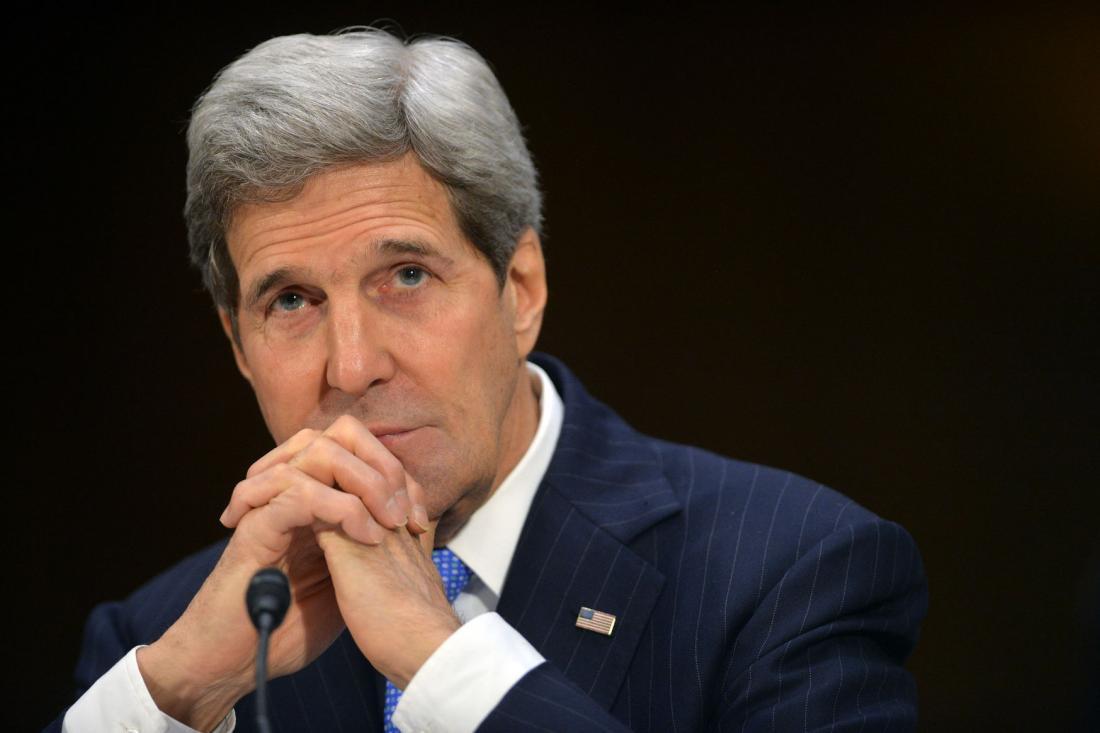
U.S. Special Presidential Envoy for Climate John Kerry and his Russian counterpart Ruslan Edelgeriyev are committed to working together on a range of climate issues, including carbon and non-carbon emissions reduction, the State Department said on Thursday.
“They also intend to work together bilaterally on a range of climate-related issues. Topics will include, among others, satellite monitoring of emissions and removals of greenhouse gases; forests and agriculture; climate and the Arctic, including black carbon; reducing emissions from non-CO2 gases, including methane; enhanced nationally determined contributions and long-term strategies under the Paris Agreement; energy efficiency; climate finance; nature-based solutions; and implementation of joint climate projects”, the Department said in a release.
Kerry and Edelgeriyev agreed that the climate challenge should be addressed with seriousness and urgency while both countries are committed to implementing the Paris Climate Agreement and its goals of reducing temperatures as well as targeting of net-zero emissions on a global scale, the release said.
The two representatives also agreed to promote the 26th Climate Change Conference of the Parties (COP26) in Glasgow as well as cooperate on climate-related issues in the Arctic, Sputnik reported.
John Kerry is visiting Moscow to meet with Russian officials and discuss climate-related issues. On Monday, Kerry met with Russian Foreign Minister Sergey Lavrov, who said the US special envoy's visit was "an important and positive signal" for US-Russia relations.
On Wednesday, Kerry spoke over the telephone with Russian President Vladimir Putin who also stressed the importance of achieving the goals of the Paris Climate Agreement.


 Latest news
Latest news
Latest newsUS Sanctions Target Russias Main Pillar as Moscow Faces New Pressure on Oil Revenues
19.Sep.2026
Russia Begins State Duma Elections Amid War in Ukraine
18.Sep.2026
Bulgaria Strengthens Protection of Strategic Infrastructure Against Drones and Other Threats
18.Sep.2026
Georgia and Enka: How the Namakhvani Dispute Could Affect the Investment Climate
17.Sep.2026
Una Aleksandra Bērziņa-Čerenkova: After Russia’s Invasion, Latvia Began Banning Russian-Language Media
17.Sep.2026
Rainer Saks: Russia сould lose its influence in Armenia, just as it did in the Baltics
16.Sep.2026
Russian Drones Violated Moldovan Airspace Twice During Zelenskys Trips
16.Sep.2026
Operation Vivaldi: Ukraine Reports Advances Near Lyman as Fighting Intensifies
16.Sep.2026
Kazakhstan and South Korea Elevate Ties to Comprehensive Strategic Partnership
16.Sep.2026
Armenia Energy Diversification: Testing the Limits of Dependence on Russian Gas
15.Sep.2026
Tbilisi Distances Itself from Brussels as Kobakhidze Intensifies Criticism of European Policy
14.Sep.2026
Russia Fuel Crisis Gives the US a New Diplomatic Leverage Tool
14.Sep.2026
Trump Calls on Zelenskyy to Stop Strikes on Russian Oil Infrastructure
13.Sep.2026
Ukraine Expands Pressure on Russia’s Shadow Fleet: Moscow’s Oil Logistics Under Threat
13.Sep.2026
The Riga Conference: Europe Prepares for Long-Term Confrontation with Russia and Reshapes Its Security Architecture
12.Sep.2026