
 20 Sep 2026









Armenia sees opportunity for discussion on normalization of relations with Turkey: Pashinyan responds to Erdogan
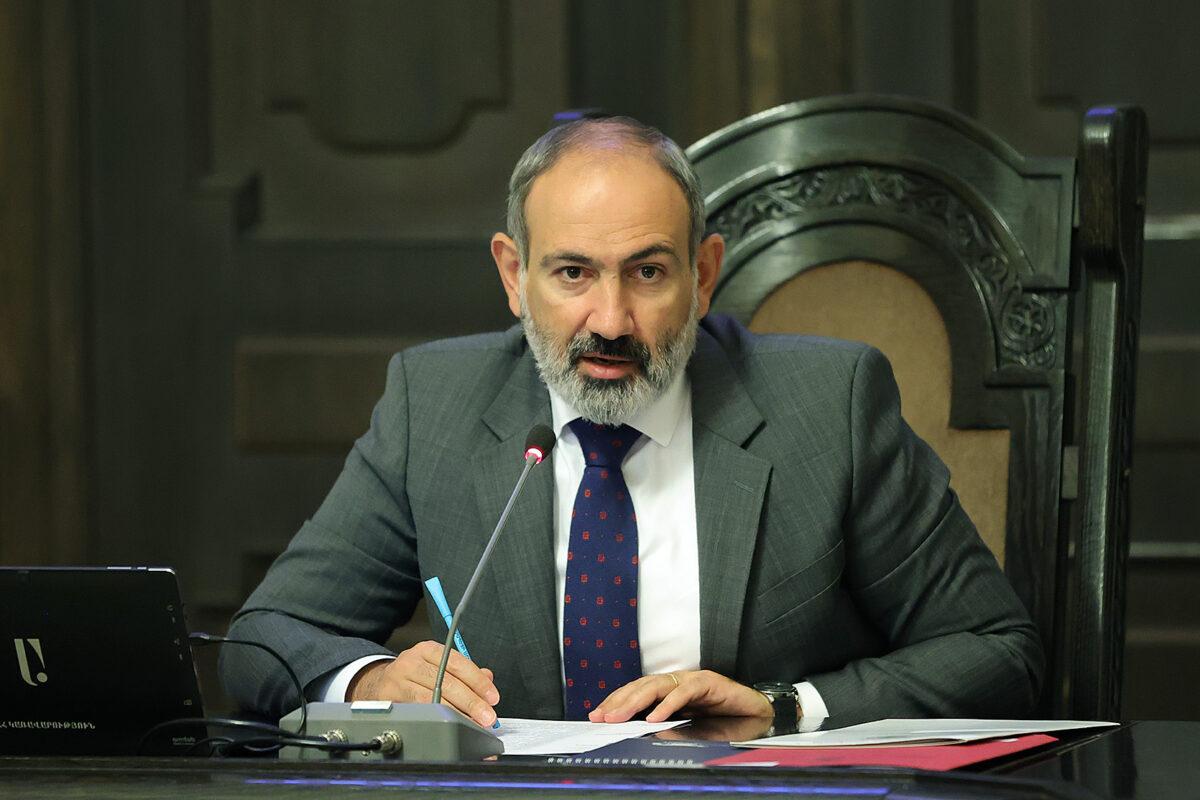
Deepening or normalization n of relations with neighboring countries is an important foreign policy direction of the government, Armenian Prime Minister Nikol Pashinyan said at the government sitting today.
He said it is enshrined in the government’s Action Plan approved by the National Assembly.
The Prime Minister noted that the development of regional communications is high on the agenda in the discussions with Iran and George. In this context he attached importance to the North-South project, which connects Armenia’s border with Iran to he border with Georgia.
“The establishment of rail communication with Russia and Iran is also very important to us. To solve the issue we are discussing the reopening of communications in the trilateral Armenia-Azerbaijan-Russia format. We are resolute to make efforts to achieve concrete results, aware that Azerbaijan, in turn, expects to get communication between its western regions and Nakhijevan,” Pashinyan said.
He reiterated Armenia’s willingness to resume the peace process with Azerbaijan within the framework of the OSCE Minsk Group co-chairmanship format.
PM Pashinyan attached importance to the agenda of delimitation and demarcation of the border with Azerbaijan and noted that the Armenian side continues to work to establish due conditions.
“We hope to complete the process of return of prisoners of war, captives and other detainees to Armenia as soon as possible,” he added.
Referring to Turkish President Recep Tayyip Erdogan’s latest statements, Nikol Pashinyan said “we see an opportunity to talk about normalization of Armenian-Turkish relations, recommissioning the rail and road communication.”
“We are ready for such conversation, which could get a broader framework against the background of the above. In a broader sense it is about making the region a crossroad between the East and the West, the North and the South,” the PM stated.


 Latest news
Latest news
Latest newsUS Sanctions Target Russias Main Pillar as Moscow Faces New Pressure on Oil Revenues
19.Sep.2026
Russia Begins State Duma Elections Amid War in Ukraine
18.Sep.2026
Bulgaria Strengthens Protection of Strategic Infrastructure Against Drones and Other Threats
18.Sep.2026
Georgia and Enka: How the Namakhvani Dispute Could Affect the Investment Climate
17.Sep.2026
Una Aleksandra Bērziņa-Čerenkova: After Russia’s Invasion, Latvia Began Banning Russian-Language Media
17.Sep.2026
Rainer Saks: Russia сould lose its influence in Armenia, just as it did in the Baltics
16.Sep.2026
Russian Drones Violated Moldovan Airspace Twice During Zelenskys Trips
16.Sep.2026
Operation Vivaldi: Ukraine Reports Advances Near Lyman as Fighting Intensifies
16.Sep.2026
Kazakhstan and South Korea Elevate Ties to Comprehensive Strategic Partnership
16.Sep.2026
Armenia Energy Diversification: Testing the Limits of Dependence on Russian Gas
15.Sep.2026
Tbilisi Distances Itself from Brussels as Kobakhidze Intensifies Criticism of European Policy
14.Sep.2026
Russia Fuel Crisis Gives the US a New Diplomatic Leverage Tool
14.Sep.2026
Trump Calls on Zelenskyy to Stop Strikes on Russian Oil Infrastructure
13.Sep.2026
Ukraine Expands Pressure on Russia’s Shadow Fleet: Moscow’s Oil Logistics Under Threat
13.Sep.2026
The Riga Conference: Europe Prepares for Long-Term Confrontation with Russia and Reshapes Its Security Architecture
12.Sep.2026