
 20 Sep 2026









U.S. intel helped Ukraine sink Russian flagship Moskva, officials say
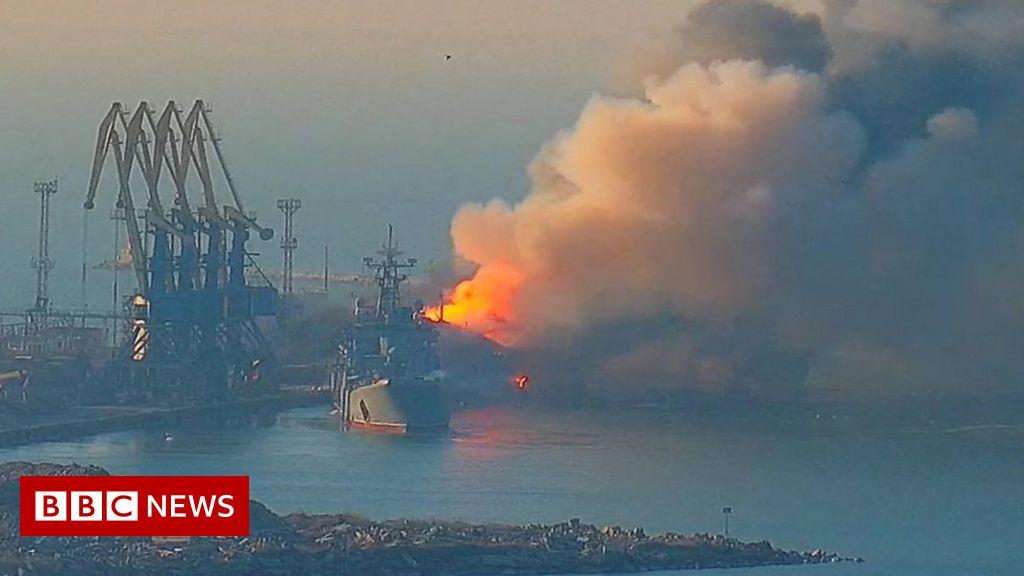
nbcnews.com: Intelligence shared by the U.S. helped Ukraine sink the Russian cruiser Moskva, U.S. officials told NBC News, confirming an American role in perhaps the most embarrassing blow to Vladimir Putin’s troubled invasion of Ukraine.
A guided missile cruiser carrying a crew of 510, the Moskva was the flagship of Russia’s Black Sea Fleet. It sank on April 14 after being struck by two Ukrainian Neptune anti-ship missiles, U.S. officials said. Moscow said the vessel sank after a fire. The Moskva was the largest Russian warship sunk in combat since World War II. American officials said there were significant Russian casualties, but they don’t know how many.
The attack happened after Ukrainian forces asked the Americans about a ship sailing in the Black Sea south of Odesa, U.S. officials told NBC News. The U.S. identified it as the Moskva, officials said, and helped confirm its location, after which the Ukrainians targeted the ship.
The U.S. did not know in advance that Ukraine was going to target the Moskva, officials said, and was not involved in the decision to strike. Maritime intelligence is shared with Ukraine to help it defend against attack from Russian ships, officials added.
The U.S. role in the sinking has not been previously reported. But NBC News detailed last month how American intelligence shared with Ukraine had been instrumental in Ukraine’s successes to date, including in helping Ukraine target Russian forces and avoid Russian attacks.
American officials have expressed concerns that reporting about U.S. intelligence sharing with Ukraine could anger Putin and provoke an unpredictable response.
The White House did not immediately provide a comment to NBC News.
The revelation about the Moskva comes on the heels of reporting by The New York Times that intelligence shared by the U.S. had in some cases helped Ukraine kill Russian generals. American officials did not dispute that, but pushed back strongly on the impression that the U.S. was explicitly providing information with the intent of striking Russian military leaders.
“We do not provide intelligence on the location of senior military leaders on the battlefield,” Pentagon press secretary John Kirby told reporters Thursday, adding that the U.S. shares intelligence with Ukrainian forces but does not tell them who or what to attack.
Current U.S. policy expressly forbids the sharing of lethal targeting intelligence about Russian civilian and military leaders, two U.S. officials familiar with the matter told NBC News.
The Moskva was considered Russia’s most lethal warship, rippling with cannons and missile systems, some of which were designed to defend it from attack. The credible account that it was hit and sunk by anti-ship missiles was widely seen as a deep humiliation for the Russian military.
In the early days of the war, the Moskva was part of what became an iconic incident, when officers on board ordered Ukrainian border guards on Ukraine’s Snake Island to surrender.
“Russian warship, go f— yourself,” the guards answered.
They were captured and later freed in a prisoner exchange.
The sinking of the Moskva has reignited a longstanding debate among naval experts about just how vulnerable ships are to missiles and kamikaze drones.
In the aftermath, the Russian Navy pulled back from the Ukrainian coast, U.S. defense officials told NBC News.


 Latest news
Latest news
Latest newsUS Sanctions Target Russias Main Pillar as Moscow Faces New Pressure on Oil Revenues
19.Sep.2026
Russia Begins State Duma Elections Amid War in Ukraine
18.Sep.2026
Bulgaria Strengthens Protection of Strategic Infrastructure Against Drones and Other Threats
18.Sep.2026
Georgia and Enka: How the Namakhvani Dispute Could Affect the Investment Climate
17.Sep.2026
Una Aleksandra Bērziņa-Čerenkova: After Russia’s Invasion, Latvia Began Banning Russian-Language Media
17.Sep.2026
Rainer Saks: Russia сould lose its influence in Armenia, just as it did in the Baltics
16.Sep.2026
Russian Drones Violated Moldovan Airspace Twice During Zelenskys Trips
16.Sep.2026
Operation Vivaldi: Ukraine Reports Advances Near Lyman as Fighting Intensifies
16.Sep.2026
Kazakhstan and South Korea Elevate Ties to Comprehensive Strategic Partnership
16.Sep.2026
Armenia Energy Diversification: Testing the Limits of Dependence on Russian Gas
15.Sep.2026
Tbilisi Distances Itself from Brussels as Kobakhidze Intensifies Criticism of European Policy
14.Sep.2026
Russia Fuel Crisis Gives the US a New Diplomatic Leverage Tool
14.Sep.2026
Trump Calls on Zelenskyy to Stop Strikes on Russian Oil Infrastructure
13.Sep.2026
Ukraine Expands Pressure on Russia’s Shadow Fleet: Moscow’s Oil Logistics Under Threat
13.Sep.2026
The Riga Conference: Europe Prepares for Long-Term Confrontation with Russia and Reshapes Its Security Architecture
12.Sep.2026