
 20 Sep 2026









China overtakes Russia and US in space
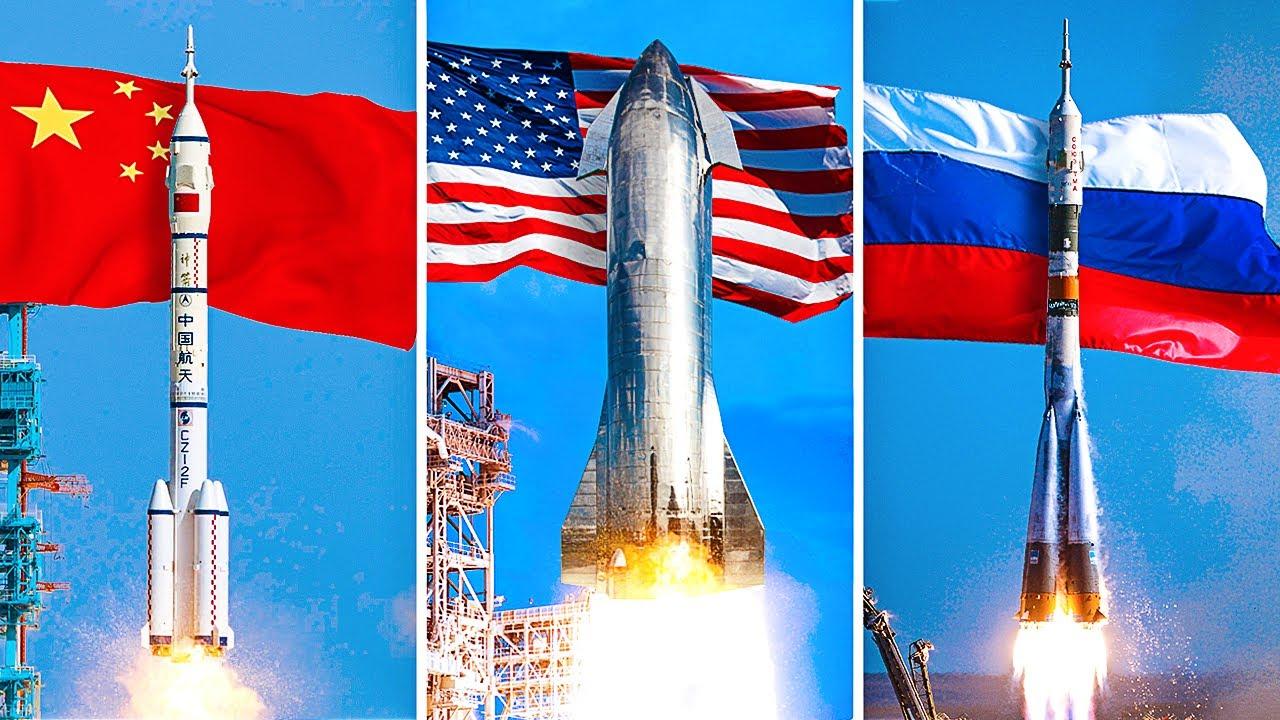
China has launched the second of the three main modules that will make up its planned space station, bringing Beijing a step closer to meeting the ambitious goal of having the orbiting outpost fully operational by the end of the year, AlJazeera reports. The 23-tonne laboratory module – called Wentian, which means “quest for the heavens” – was carried into space by China’s most powerful rocket, the Long March 5B, following a 2:22pm (6:22 GMT) launch aired live on the state broadcaster CCTV on Sunday. The rocket took off from the Wenchang Space Launch Center on the southern island of Hainan, with CCTV reporting 30 minutes later that the launch was “a complete success”. The lift-off comes after Beijing sent into orbit the first module of its space station in April 2021.
The new module, about 18 metres (60 feet) long, will still need to dock with the module already in space.
If that is successful, the third and final module is scheduled to launch in October, with officials hoping the space station – named Tiangong, which means “heavenly palace” – will be operational by the end of the year.
China’s plans for its heavily promoted “space dream”, which seeks to catch up with the United States and Russia, have been put into overdrive under President Xi Jinping. The space station’s completion is set to coincide with the Chinese leader marking 10 years in power.
China has been excluded from the International Space Station since 2011, when the US banned NASA, one of five space agencies participating in the project, from engaging with the country. Still, China’s space programme has made strides in recent years, sending probes to the moon, where Beijing plans to build a base, and last year landing a rover on Mars.
The module launched on Sunday has three sleeping areas, as well as a space for scientific experiments. It will serve as the main exit-entry point for extravehicular activities when the station is completed. The launch was unmanned, although three Chinese taikonauts are currently on board the already orbiting portion of the space station.


 Latest news
Latest news
Latest newsUS Sanctions Target Russias Main Pillar as Moscow Faces New Pressure on Oil Revenues
19.Sep.2026
Russia Begins State Duma Elections Amid War in Ukraine
18.Sep.2026
Bulgaria Strengthens Protection of Strategic Infrastructure Against Drones and Other Threats
18.Sep.2026
Georgia and Enka: How the Namakhvani Dispute Could Affect the Investment Climate
17.Sep.2026
Una Aleksandra Bērziņa-Čerenkova: After Russia’s Invasion, Latvia Began Banning Russian-Language Media
17.Sep.2026
Rainer Saks: Russia сould lose its influence in Armenia, just as it did in the Baltics
16.Sep.2026
Russian Drones Violated Moldovan Airspace Twice During Zelenskys Trips
16.Sep.2026
Operation Vivaldi: Ukraine Reports Advances Near Lyman as Fighting Intensifies
16.Sep.2026
Kazakhstan and South Korea Elevate Ties to Comprehensive Strategic Partnership
16.Sep.2026
Armenia Energy Diversification: Testing the Limits of Dependence on Russian Gas
15.Sep.2026
Tbilisi Distances Itself from Brussels as Kobakhidze Intensifies Criticism of European Policy
14.Sep.2026
Russia Fuel Crisis Gives the US a New Diplomatic Leverage Tool
14.Sep.2026
Trump Calls on Zelenskyy to Stop Strikes on Russian Oil Infrastructure
13.Sep.2026
Ukraine Expands Pressure on Russia’s Shadow Fleet: Moscow’s Oil Logistics Under Threat
13.Sep.2026
The Riga Conference: Europe Prepares for Long-Term Confrontation with Russia and Reshapes Its Security Architecture
12.Sep.2026