
 07 Nov 2026









Ukrainian Ambassador to the United States: Kyiv Urgently Needs Patriot Missiles, Domestic Production Could Take Up to Five Years
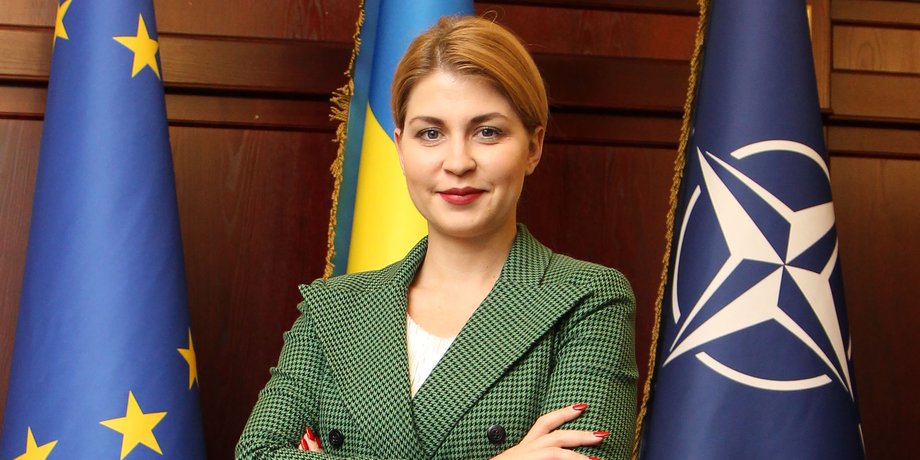
Ukraine urgently needs
additional missile defense capabilities, as its current air defense assets are
insufficient to counter the growing number of Russian ballistic missile
attacks. This was stated by Ukraine's Ambassador to the United States, Olha Stefanishyna, who emphasized that Kyiv is continuing
negotiations with Washington on both the delivery of interceptor missiles and
the potential localization of their production in Ukraine.
According to the ambassador,
Ukraine hopes that a new round of ceasefire negotiations could help bring the
war to an end before the onset of winter. However, while diplomatic efforts
continue, the country urgently requires stronger air and missile defense
capabilities.
Stefanishyna stressed that
Ukraine's most pressing need is for Patriot PAC-3 interceptor
missiles, which are designed to intercept and destroy ballistic
missiles. She noted that Kyiv and Washington are discussing the possibility of
establishing joint production of these interceptors in Ukraine. However, such a
project could take up to five years to become operational. Until then, Ukraine
expects either long-term deliveries of ready-made interceptors or alternative
supply arrangements, including expanded production by allied countries.
According to Ukrainian
officials, Russia has significantly increased its missile production and
continues to carry out large-scale combined attacks using both drones and
ballistic missiles. While Ukraine's air defense forces have become increasingly
effective at intercepting most attack drones, the shortage of modern missile
defense interceptors remains one of the country's most critical defense
challenges.
Strengthening Ukraine's air
defense was also one of the key issues discussed during the recent meeting
between Ukrainian President Volodymyr Zelenskyy
and U.S. President Donald Trump in
Washington. Zelenskyy once again called on the U.S. administration to increase
deliveries of Patriot systems and interceptor missiles while also supporting
joint defense production projects.
At the same time, no final
decision has yet been made on granting Ukraine a license to manufacture Patriot
missiles. President Trump stated that the issue remains under consideration,
noting that it involves the transfer of one of the United States' most
sensitive defense technologies.
Analysts
say the ambassador's remarks reflect Kyiv's shift toward a long-term strategy
for strengthening its missile defense capabilities. While Ukraine initially
focused on securing emergency deliveries of Western weapons, it is now seeking
access to advanced defense technologies and the localization of critical
weapons production. Even if Washington approves such cooperation, establishing
a fully operational production base would take several years, whereas Ukraine's
need for advanced air and missile defense systems remains immediate amid the
continuing escalation of Russian aerial attacks.


 Latest news
Bulgaria Presents Draft 2027 State Budget: Increased Pensions and Investment in Development
07.Nov.2026
Russian Gerbera-2 Drone Discovered and Destroyed on Bulgaria’s Black Sea Coast
07.Nov.2026
Sofia and Washington Discuss Black Sea Security and the Future of Europe's Security Architecture
07.Nov.2026
Green Energy Corridor: a Strategic Opportunity or an Overly Costly Project?
07.Nov.2026
Kremlin Calls for European Involvement in Security Talks without Offering a Concrete Framework
06.Nov.2026
The Caspian Bridge between Azerbaijan and Kazakhstan: Ambitious Plans without Guarantees of Implementation
05.Nov.2026
Armenia Outlines Prospects for Applying for EU Membership in 2027–2028
04.Nov.2026
Moscow Seeks to Maintain Its Influence in the South Caucasus through the “3+3” Format
03.Nov.2026
Kazakhstan Resumes Oil Transit through Russia after Drone Attack
03.Nov.2026
Iliana Yotova's Victory Strengthens Political Stability and Bulgaria's Position in the Black Sea Region
02.Nov.2026
France Expands Military Surveillance Activities in the Black Sea: Romania Gains Strategic Importance
01.Nov.2026
Georgia Brings Black Sea Security to the UN Security Council Agenda
01.Nov.2026
Ukrainian Drone Attacks on Russian Oil Refineries: Russia’s Energy Infrastructure Faces Growing Risks
31.Oct.2026
Who will Pay to Protect Nature? A Council of Europe Expert’s Perspective
31.Oct.2026
OTS Expands Its Defence Agenda: Ankara’s Initiative Raises Questions About the Militarisation of the Organisation
31.Oct.2026